Arachova is a mountain town in Central Greece, built at about 950 metres on the south slope of Mount Parnassus. A few thousand people live here. The town is known above all as the base for the Parnassos Ski Centre, 24 kilometres higher up the mountain, and on winter weekends it fills with visitors from Athens. The ancient site of Delphi is about 10 kilometres to the west, so many people also stay here to visit it. In the town, a narrow main street runs between old houses, the Clock Tower stands on a rock at the entrance, and 264 steps climb to the church of Agios Georgios. Arachova is also known for formaela, a local cheese with a protected designation of origin.
Arachova is built in steps on a steep slope of Mount Parnassus, at about 950 metres. The main road from Athens to Delphi passes through the middle of the town as a narrow street, with shops, cafés and tavernas on both sides. Many of the buildings on this street were made by local craftsmen in the early 1900s. Lanes with steps climb from it to the upper quarters, where some of the old neighbourhoods keep their traditional houses. Lakka Square, on the main street, is the usual meeting point.
At the entrance of the town, the Clock Tower stands on top of a tall rock. An earthquake in 1870 destroyed the first tower, and the present one replaced it. Visitors climb to it for the view over the roofs of the town. Panagia Street was the market street of the town until the 1930s.
In winter most visitors come for skiing. The Parnassos Ski Centre is 24 kilometres from Arachova, higher on Mount Parnassus, between about 1,640 and 2,260 metres. It has 23 runs for all levels, about 34 kilometres in total with their connecting trails, together with ski schools and equipment rental. Check the snow report and the state of the lifts before you drive up.
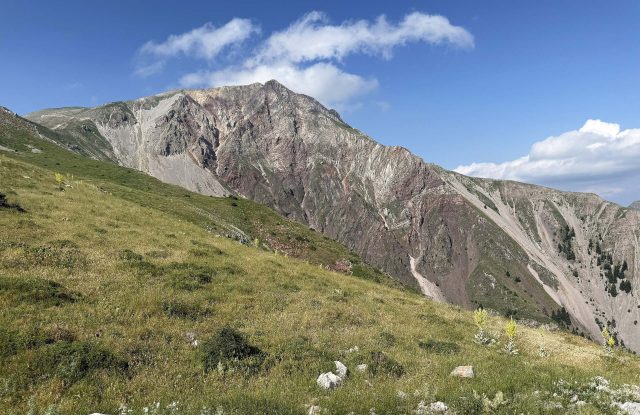
On the way to the ski centre, about 10 kilometres from the town, lies the Livadi plateau, at about 1,100 metres. It is a wide flat area with chalets, tavernas and cafés. In the other seasons the mountain around Arachova is used for walking, and the best-known walk leads to the Corycian Cave, which the ancient Greeks linked with the nymphs. The ancient site of Delphi is 15 minutes away by car, so many visitors stay in Arachova and see it from here.
The church of Agios Georgios stands at the top of the town, and 264 steps climb to it from the main street. It was built in 1833 as a church with three aisles and a dome. Saint George is the patron saint of Arachova. His feast, on 23 April, opens the Panigyraki, a festival of three days with customs that the town has kept for generations.
The festival also remembers the battle of Arachova. In 1826, during the Greek War of Independence, Greek fighters under Georgios Karaiskakis defeated an Ottoman force here. A bust of Karaiskakis and two cannons stand in the yard of the church. The Folklore Museum is in the old primary school, a building of 1909 to 1911 near the Clock Tower, and it has worked as a museum since 2009.
Formaela is the cheese of Arachova. It is made from the milk of local flocks, it has a protected designation of origin, and tavernas usually serve it grilled or fried. The local brusco wine is dark red and strong. The shops of the town also sell handmade pasta called hilopites, trachanas, which is made from fermented cracked wheat, honey from Parnassus and fruit preserved in syrup.
The tavernas cook mainly with the meat of local goats and sheep, and they also serve pies with crisp pastry and stuffed vine leaves. In the evening the town has cocktail bars and wine bars as well as cafés and pastry shops. On winter weekends they are full, and the Greek press often calls Arachova the Mykonos of the winter.
Prices shown per night for a sample 3-night stay. Rates and availability vary by season — select your dates for live pricing.
Arachova is about 170 kilometres north-west of Athens, two to two and a half hours by car. Take the Athens to Lamia motorway, leave it at the exit for Thebes and Livadia, and follow the road towards Delphi. Intercity buses run from Athens to Arachova, from the Liosion bus station, a few times a day, and the trip takes about three hours. There is no railway. The nearest station is at Livadia, a town about 30 kilometres to the east, and a bus or taxi covers the rest.
Winter weekends are the busiest time, when people from Athens come for the ski centre, and weekdays in the same season are quiet. May, June, September and October are good months for walking and for the visit to Delphi, the ancient site nearby. In summer the days are hot but cooler than in the lowlands, with about 28 to 32 degrees. The Panigyraki festival takes place around 23 April.
The town itself is seen on foot, and it is steep, with many steps. A car or a taxi is needed for the ski centre, 24 kilometres away, and for the Livadi plateau, 10 kilometres away. The main street is narrow and carries all the traffic between Athens and Delphi, so it is slow at busy times. Parking is free, but spaces are hard to find on winter weekends.
Book a room early for winter weekends and holidays. Before you drive to the ski centre, check that it is open and what the road is like, because both depend on the snow. The lanes of the town are steep and have many steps, so wear comfortable shoes. The church of Agios Georgios is at the top of 264 steps, so allow time for the climb. Formaela and the other local products are sold in the shops of the main street.