Kalavryta

Kalavryta is a mountain town in Achaia, in the northern Peloponnese. It stands at 764 metres, on the slopes of Mount Chelmos. The town is known in Greece for two events. According to tradition, the flag of the 1821 revolt against Ottoman rule was raised at the nearby Agia Lavra monastery. On 13 December 1943, German troops killed almost all the men and boys of Kalavryta and burned the town. A museum and a memorial in the town tell the story of the massacre today.
The Vouraikos Gorge, with its historic rack railway line, lies to the north. In winter, a ski centre operates on Mount Chelmos, and hiking routes start from the town.
History & Culture
On 13 December 1943, German troops separated the men and boys of Kalavryta from the women and children. The women and children were locked in the school, which was set on fire, and they escaped. The men and boys were shot on Kapi hill, and the town was burned. Sources differ on the number of dead in the town: some give more than 400, others close to 700. The Kalavryta Holocaust Museum is now in the rebuilt school building. It shows documents, photographs and the names of the victims. A large white cross stands on Kapi hill, and the cathedral clock is stopped at 14:34, the time remembered for the killings.
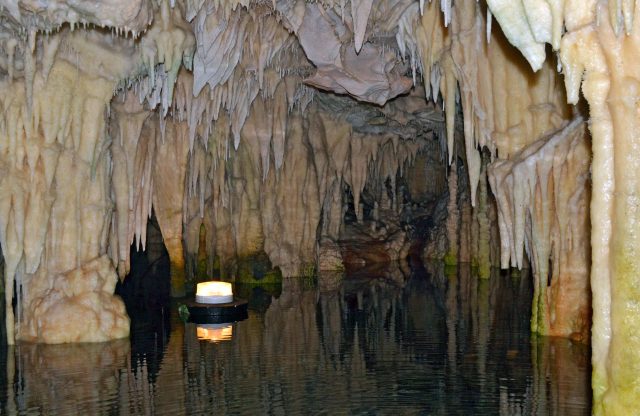
Agia Lavra monastery is about 4 kilometres from the town and dates from the 10th century. According to tradition, Bishop Germanos raised the flag of the 1821 revolt here. German troops burned the monastery in 1943, and it was rebuilt. Mega Spilaio is about 10 kilometres from the town. Its eight storeys are built against a cliff about 120 metres high, and monks live there.


Nature & Outdoors
Kalavryta stands on the slopes of Mount Chelmos. Much of the mountain, and the gorge below it, form the Chelmos-Vouraikos National Park, which was created in 2009. The area is also a UNESCO Global Geopark, which is a status for places with important geology. Fir and black pine forests cover large parts of the geopark, and there are oak forests too.
The Vouraikos Gorge runs north from the mountain to the coast near Diakopto. It is a protected Natura 2000 area. Its steep rock walls hold rare plants that are found only in Greece, and otters live along the river. A narrow section called the Portes, or the Gates, is one of the best-known places in the gorge. The rack railway line through the gorge is about 22 kilometres long and crosses the river on many bridges.


Activities
A ski centre operates on Mount Chelmos in winter, about 14 kilometres from the town. It lies between 1,700 and 2,340 metres and has 8 lifts and 13 slopes with a total length of about 20 kilometres. Snow conditions change from year to year, so check them before you go.
In the warmer months, walkers have several routes. The management body of the national park lists four routes around Kalavryta, between 17 and 63 kilometres long. The E4 route from the town to the ski centre is about 11 kilometres and climbs about 1,000 metres.
The best-known walk is through the Vouraikos Gorge. It follows the railway line from Kato Zachlorou, about 9 kilometres from Kalavryta, down to Diakopto on the coast. The walk is about 13 kilometres and takes 3.5 to 6 hours. The historic Odontotos rack railway uses the same line. Trains have been stopped more than once after rockfalls, so check whether the railway is running.


Where to Stay
Prices shown per night for a sample 3-night stay. Rates and availability vary by season — select your dates for live pricing.
Practical information
Getting there
By car, Kalavryta is about three hours from Athens. Take the national road towards Patras and turn at the Diakopto junction, following the signs for Kalavryta. Intercity buses connect Athens with Aigio, and other buses link Aigio and Patras with Kalavryta. Check current timetables. The Odontotos rack railway from Diakopto has been stopped more than once after rockfalls, so check whether it is running before you plan to arrive by train.
Good to know
The gorge path follows the railway line. The ground is loose stone, some bridges have no side rails, and wet wooden beams under the rails are slippery. Wear boots with firm soles. The railway was closed because of rockfalls in the gorge, so ask locally about conditions before you walk. The Kalavryta Holocaust Museum is closed on Mondays. Check current opening times before you go.
Getting around
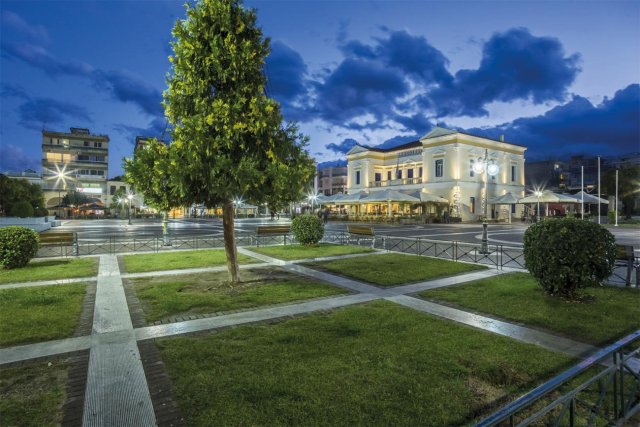
The centre of Kalavryta is small and can be explored on foot. The museum and Kapi hill are about 500 metres apart. Agia Lavra (about 4 kilometres), Mega Spilaio (about 10 kilometres) and the ski centre on Mount Chelmos (about 14 kilometres) are outside the town. A car is the easiest way to reach them, and it lets you visit all three in one day.
When to go
Kalavryta can be visited in every season. Winter is the season for skiing on Mount Chelmos, and the season depends on the weather. Check current snow conditions before you travel to the ski centre. Walking routes are best from spring to autumn. The ski centre is at 1,700 to 2,340 metres, much higher than the town at 764 metres, so conditions there can differ. The events of 13 December 1943 are remembered in the town every December.
Kalavryta— been there?Tell others what you saw.
A photo and two lines are enough.