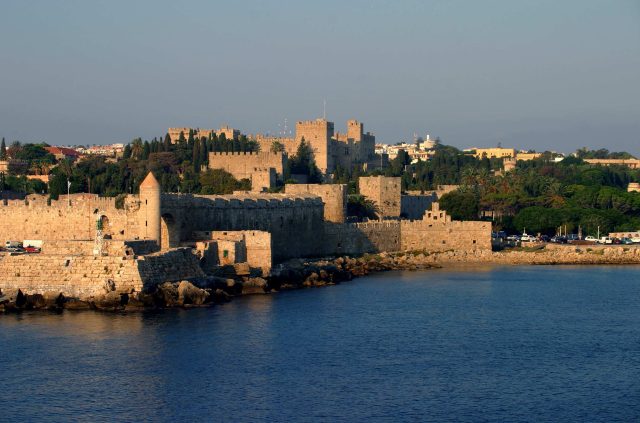
Patmos Island

Patmos Island, part of Greece's Dodecanese archipelago, is renowned for its stunning landscapes, historical significance, and serene ambiance. The island features a rugged coastline, rolling hills, and beautiful beaches, making it a picturesque destination. Patmos is not densely populated, contributing to its tranquil atmosphere, though it attracts a fair number of tourists, especially those interested in its religious history and natural beauty. It caters to both quiet holidays and more vibrant experiences, depending on visitors' preferences.
The main village, Chora, is a UNESCO World Heritage site known for its charming white-washed houses and narrow streets. Skala, the island’s port town, is bustling with shops, restaurants, and cafes. Other villages like Grikos and Kampos offer a quieter, more laid-back atmosphere. Famous beaches include the sandy Livadi Geranou, the organized Kampos Beach, and the secluded Psili Ammos. Key attractions are the Monastery of Saint John the Theologian and the Cave of the Apocalypse, both significant for their historical and spiritual importance.
Culture/History
Patmos is steeped in cultural and historical significance. The island is famously known as the site where Saint John the Theologian received visions that led to the writing of the Book of Revelation. The Monastery of Saint John the Theologian, a UNESCO World Heritage site, dominates the island’s skyline and houses a rich collection of religious artifacts and manuscripts. The Cave of the Apocalypse, another key site, is where Saint John is said to have heard the voice of God. The island also has an Ecclesiastical Museum with a remarkable collection of Byzantine icons, liturgical objects, and ancient manuscripts, further emphasizing its cultural heritage.
Gastronomy
Patmos offers a delightful culinary experience, reflecting traditional Greek and island-specific recipes. Fresh seafood is a staple, often prepared with local herbs and olive oil. Traditional dishes include grilled octopus, stuffed squid, and Patmian cheese pie. Local tavernas and restaurants also serve delicious mezedes (small dishes), such as fava (split pea puree), dolmadakia (stuffed vine leaves), and local cheeses.
Nature/Adventure
Hiking: Patmos Island offers a variety of trails that showcase its rich history and stunning landscapes, catering to hikers of all skill levels. The Skala to Chora Trail is a moderately challenging 4.2 km path that ascends from the coastal settlement of Skala to the historic town of Chora. Along the way, hikers pass landmarks like the Monastery of the Apocalypse and the Patmian School, surrounded by lush scenery. For a more leisurely experience, the Aporthianos Route is a 4.2 km stone-paved loop connecting Chora and Skala, built in 1819. This trail offers panoramic views and passes by the Monastery of Agios Ioannis and the Cave of the Apocalypse. For a more demanding adventure, the Stavros - Prasovouno - Psili Ammos Beach Loop provides a challenging hike that rewards trekkers with breathtaking coastal vistas and the pristine sands of Psili Ammos Beach. These trails offer a perfect blend of natural beauty and cultural heritage, making Patmos a captivating destination for hiking enthusiasts.
The crystal-clear waters around Patmos are perfect for diving and snorkeling, revealing vibrant marine life and underwater caves. Boat trips to nearby islets, such as Arki and Marathi, provide additional adventure options and a chance to explore more pristine beaches and coves.
Sea and Sun
Patmos boasts an array of beautiful beaches catering to different preferences. Livadi Geranou Beach is known for its fine sand and tranquil waters, making it ideal for swimming and sunbathing. Kampos Beach is organized with sunbeds and umbrellas, offering a more structured beach experience. For those seeking solitude, Psili Ammos Beach, accessible by boat or a hiking trail, offers a remote and peaceful setting with golden sand and clear waters. The beaches are generally accessible by car, scooter, or boat, making exploration convenient.
Where to Stay
Prices shown per night for a sample 3-night stay. Rates and availability vary by season — select your dates for live pricing.
Best Time to Visit: The ideal time to visit Patmos is from late spring to early autumn. May, June, and September offer warm weather, fewer tourists, and a more relaxed atmosphere, perfect for exploring and enjoying outdoor activities.
General Tips for Exploring and Transportation: Wear comfortable footwear suitable for walking and hiking, as Patmos has many cobblestone streets and trails. Light, breathable clothing is recommended for the warm weather. Always carry water to stay hydrated, especially during hikes and outdoor excursions. Sunscreen and a hat are essential for sun protection.
Local Festivals and Events: Patmos hosts several vibrant festivals, such as the Festival of Religious Music in September, which attracts international artists. The island also celebrates traditional Greek festivals, including Easter and the Feast of Saint John, offering a rich cultural experience with music, dancing, and local cuisine.