Vergina & Ancient Aigai

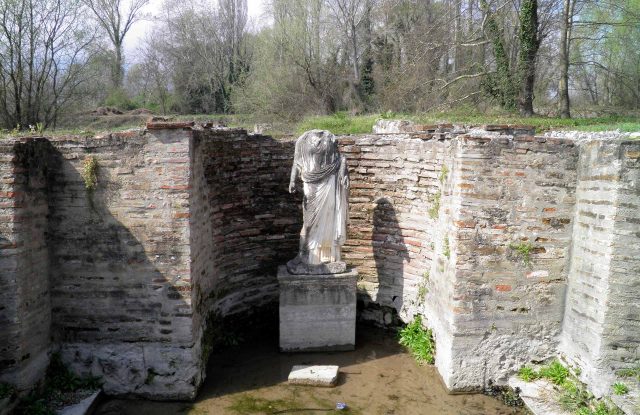
Vergina, nestled in the heart of Macedonia, Greece, is a modern town surrounded by rolling hills and fertile plains, providing a picturesque landscape that reflects its rich historical heritage. The town itself is a gateway to the archaeological marvels of Aigai, where visitors can delve into the ancient Macedonian civilization. Central to this site is the Great Tumulus, a monumental burial mound that houses several royal tombs, including Philip II's, father of Alexander the Great. Discovered in 1977 by Greek archaeologist Manolis Andronikos, the Great Tumulus revealed a wealth of treasures, including golden artifacts, intricate jewelry, weapons, and the famous golden larnax containing the bones of Philip II. This discovery offers profound insights into ancient Macedonian civilization and the opulence of the Macedonian royal family.
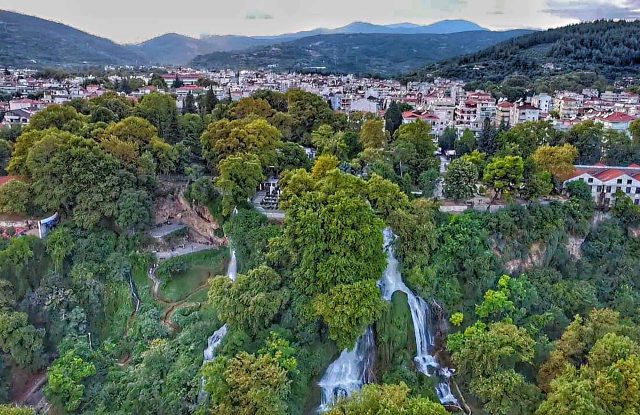
Just a short drive away, the town of Veria offers charming Byzantine architecture and vibrant markets. A bit further, the lively city of Thessaloniki, approximately an hour's drive, provides a bustling urban experience with its mix of attractions, modern shops, and a vibrant culinary scene. For a more relaxed experience, the picturesque town of Naoussa, known for its vineyards and traditional Macedonian architecture, is a must-visit.
Culture/History
Vergina is renowned for the archaeological site of Aigai, the first capital of the Kingdom of Macedonia, where the tomb of Philip II, father of Alexander the Great, was discovered. Central to this site is the Great Tumulus, a monumental burial mound that houses several royal tombs, including Philip II's. Discovered in 1977 by Greek archaeologist Manolis Andronikos, the Great Tumulus revealed a wealth of treasures, including golden artifacts, intricate jewelry, weapons, and the famous golden larnax containing the bones of Philip II. This discovery offers profound insights into ancient Macedonian civilization and the opulence of the Macedonian royal family.
Nearby, the Archaeological Museum of Vergina showcases an impressive collection of artifacts from these tombs, including golden wreaths and elaborately decorated weapons. A short drive away, visitors can explore the rich history of Pella, the birthplace of Alexander the Great, which also boasts a remarkable archaeological museum.
Gastronomy
Vergina offers a delightful culinary experience, deeply rooted in traditional Macedonian flavors. Visitors can savor local specialties such as "giouvetsi" (a lamb and orzo stew), "soutzoukakia" (spicy meatballs in tomato sauce), and "boureki" (a savory pastry filled with cheese or spinach). The region is also known for its excellent wines, particularly the robust reds produced from the Xinomavro grape.
Nature/Adventure
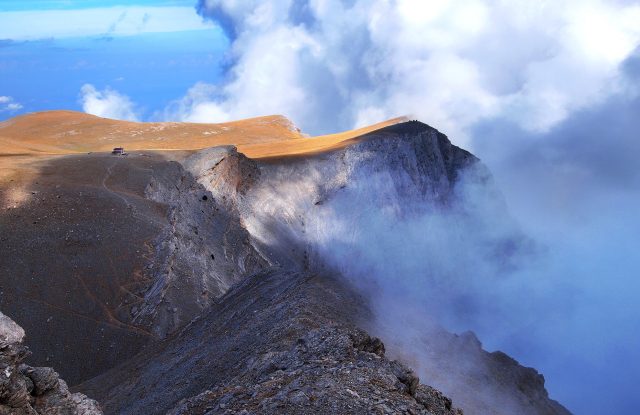
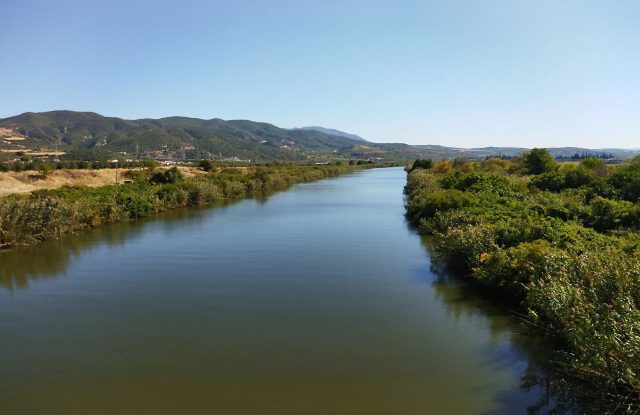
The wider area surrounding Vergina offers a wealth of natural beauty and opportunities for outdoor activities. Nature enthusiasts can explore the nearby Pierian Mountains, a paradise for hikers with trails that wind through lush forests and offer breathtaking vistas. The Aliakmonas River, Greece's longest river, is perfect for kayaking and fishing. Just an hour's drive away, the stunning Mount Olympus National Park provides additional hiking and climbing adventures, allowing visitors to immerse themselves in the mythological home of the Greek gods.
Where to Stay
Prices shown per night for a sample 3-night stay. Rates and availability vary by season — select your dates for live pricing.
Best Time to Visit: The ideal time to visit Vergina is from late spring to early autumn, particularly between May and September. During these months, the weather is warm and conducive to outdoor activities and exploration. The archaeological sites and natural attractions are best enjoyed in pleasant temperatures, and the regional festivals and events add a vibrant cultural touch to your visit.
General Tips for Exploring and Transportation: When exploring Vergina and its surroundings, it's advisable to wear comfortable clothing and sturdy footwear suitable for walking on uneven terrain, especially at archaeological sites. Protect yourself from the sun with hats, sunglasses, and sunscreen, as the Greek summer can be quite intense. Stay hydrated by carrying water bottles, particularly during hikes or outdoor excursions. Renting a car can enhance your flexibility and allow you to explore the wider region at your own pace.
Vergina & Ancient Aigai— been there?Tell others what you saw.
A photo and two lines are enough.