
Text updated:
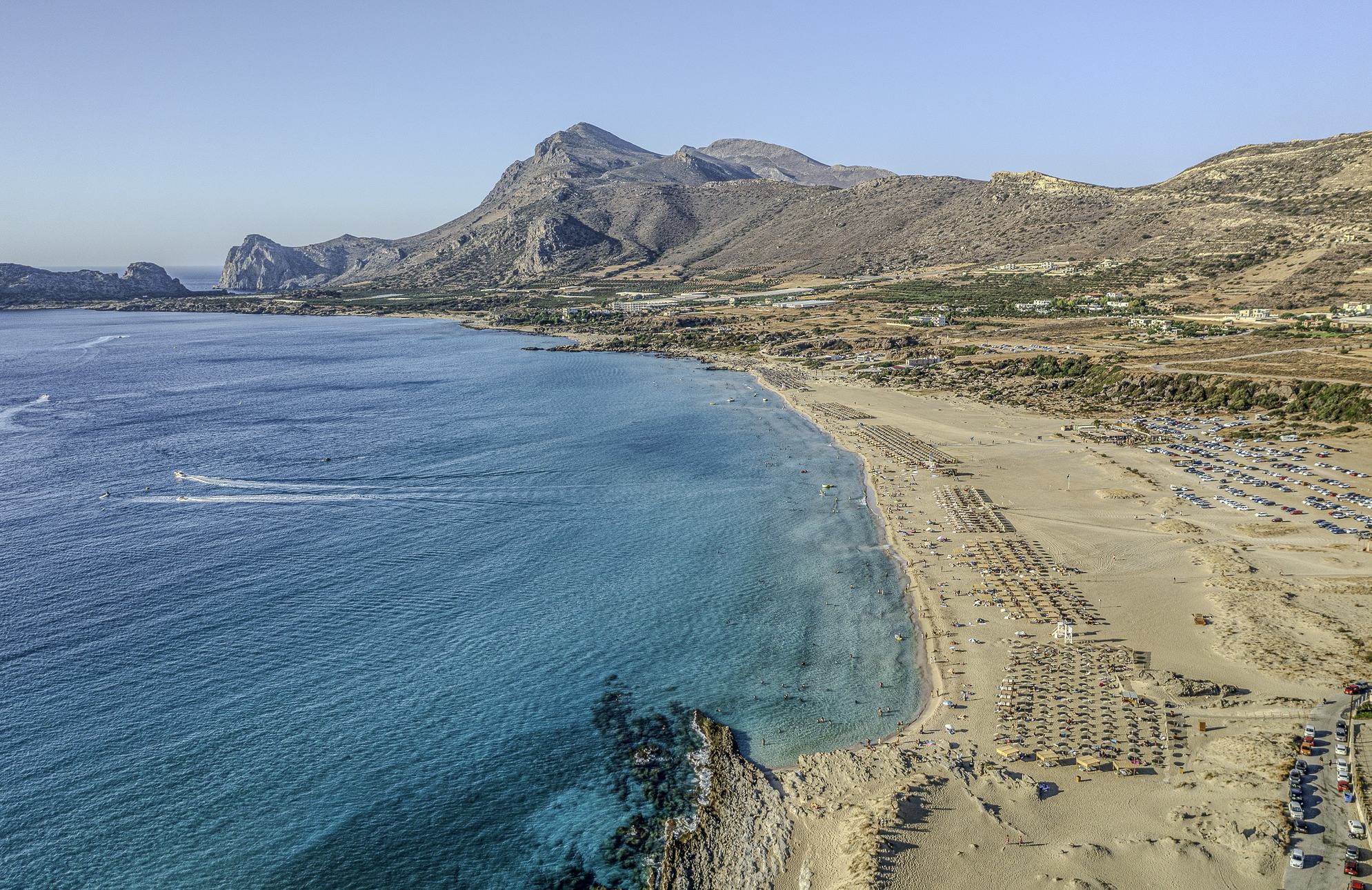
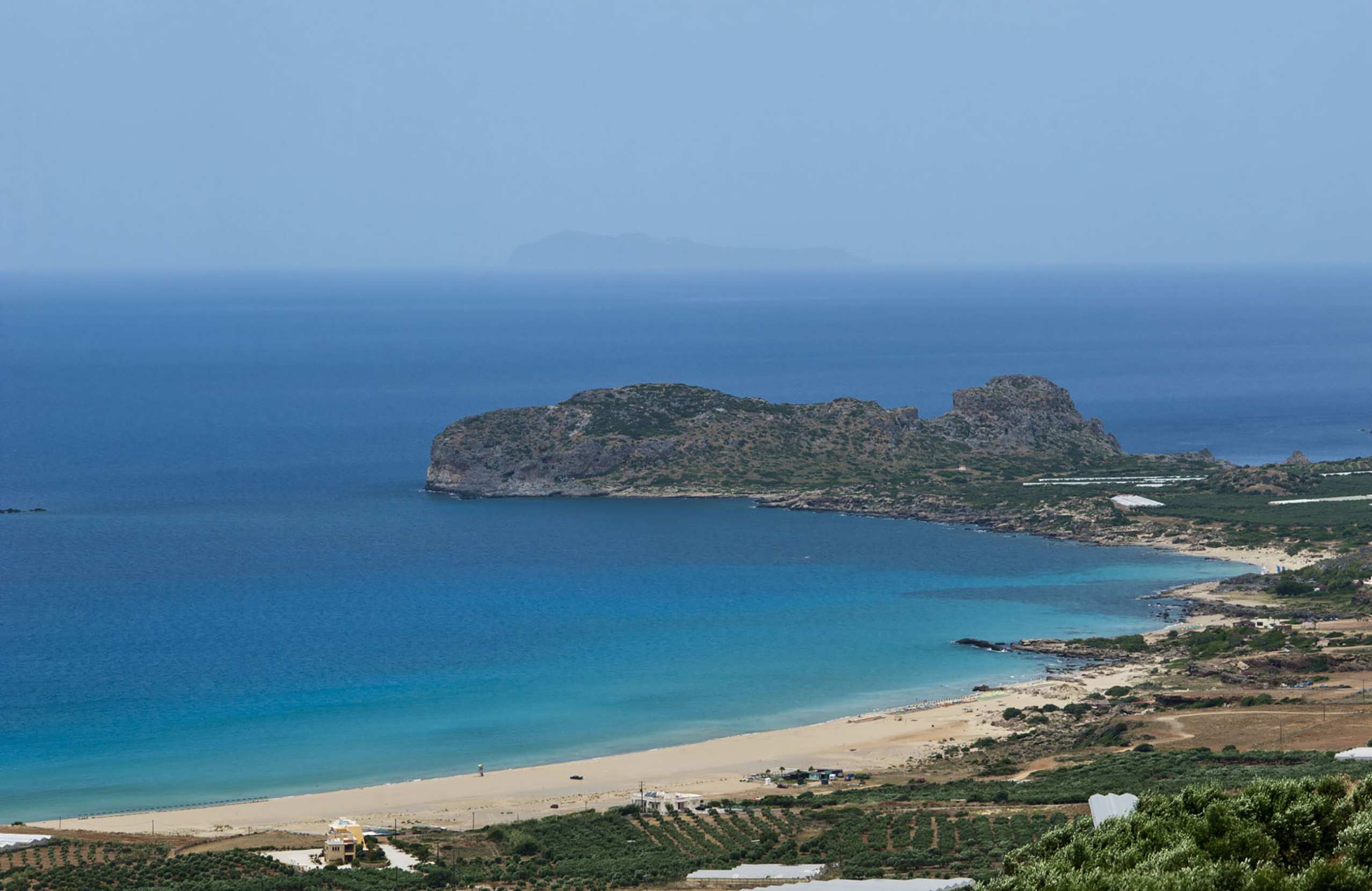
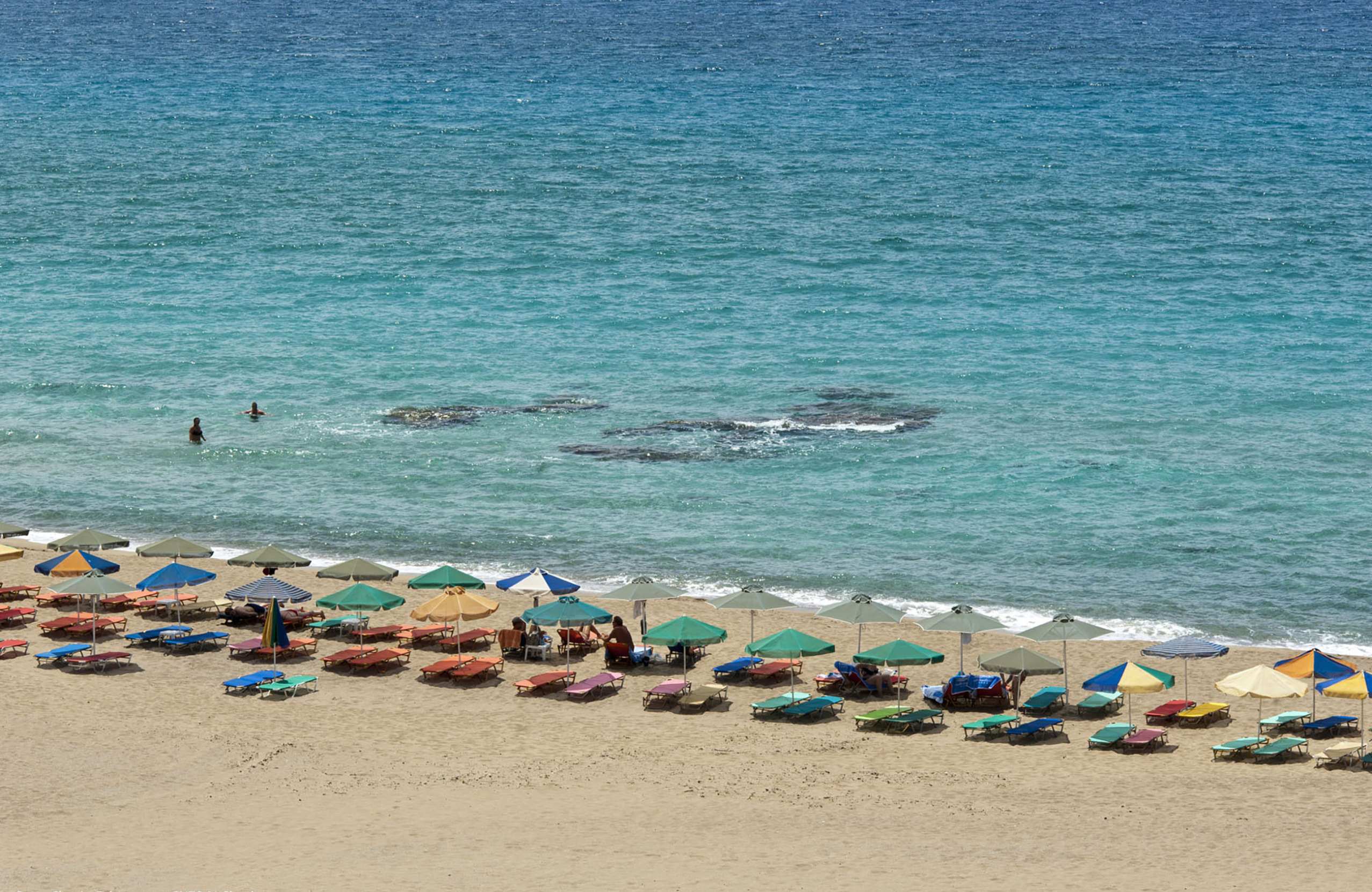
Falassarna Beach is the long sandy shore of Falassarna, on the west coast of Crete, in the far west of the Chania area. It runs for about 3 kilometres along a wide bay, and rocks and low dunes divide it into several beaches. The sand is fine and pale, and the water is clear and turquoise. The beach faces west, towards the open sea, and many people come in the evening to watch the sunset.
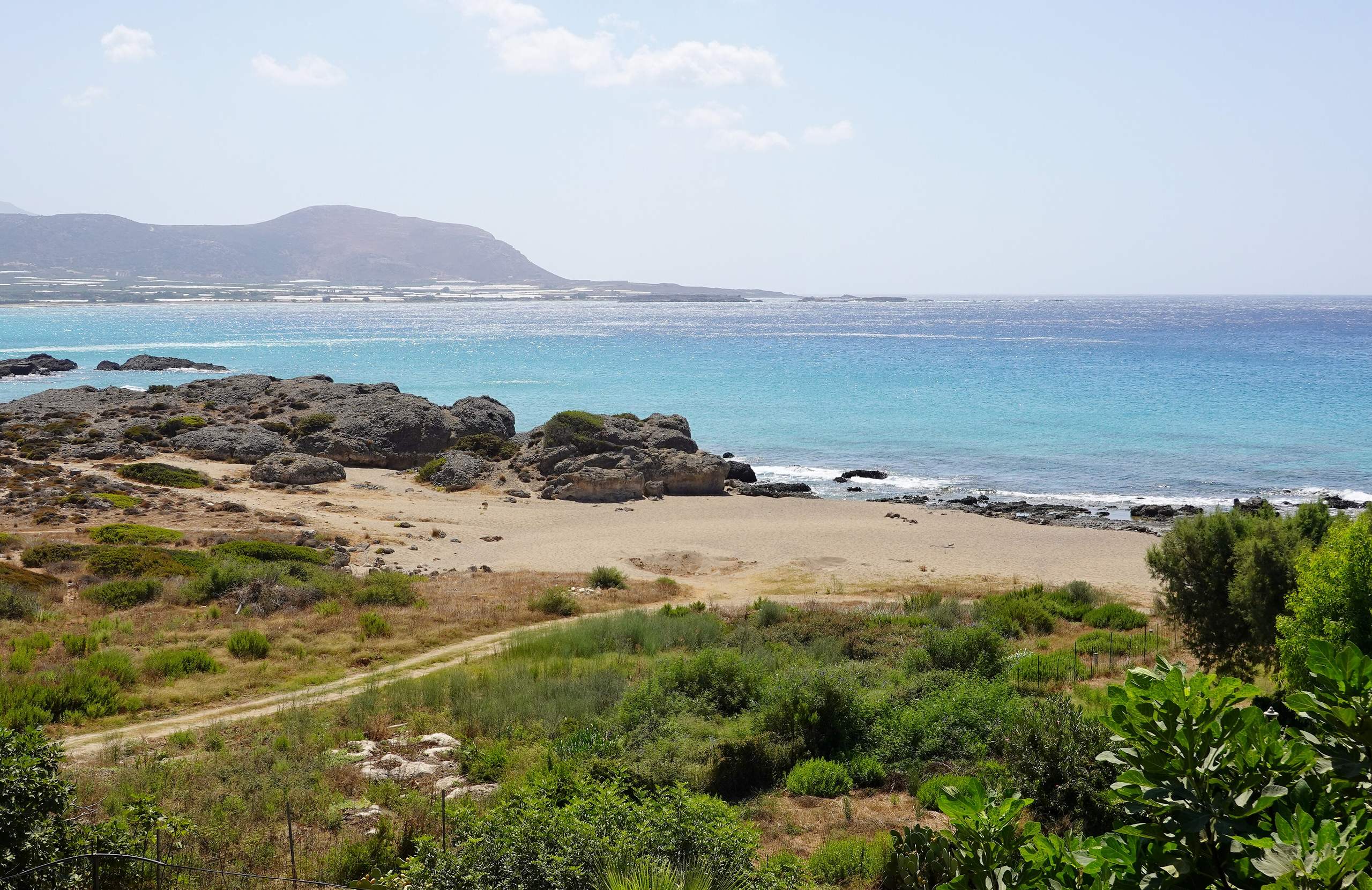
The main beach, Pachia Ammos, is about a kilometre long and very wide. In summer it usually has umbrellas, sunbeds and showers, with tavernas and cafés close by, and there is still plenty of free space on the sand. Further north, a stretch of about 800 metres is split by rocks into smaller and quieter beaches, near the chapel of Agia Paraskevi. To the south, the shore continues with sand over a rocky seabed and no organised facilities.
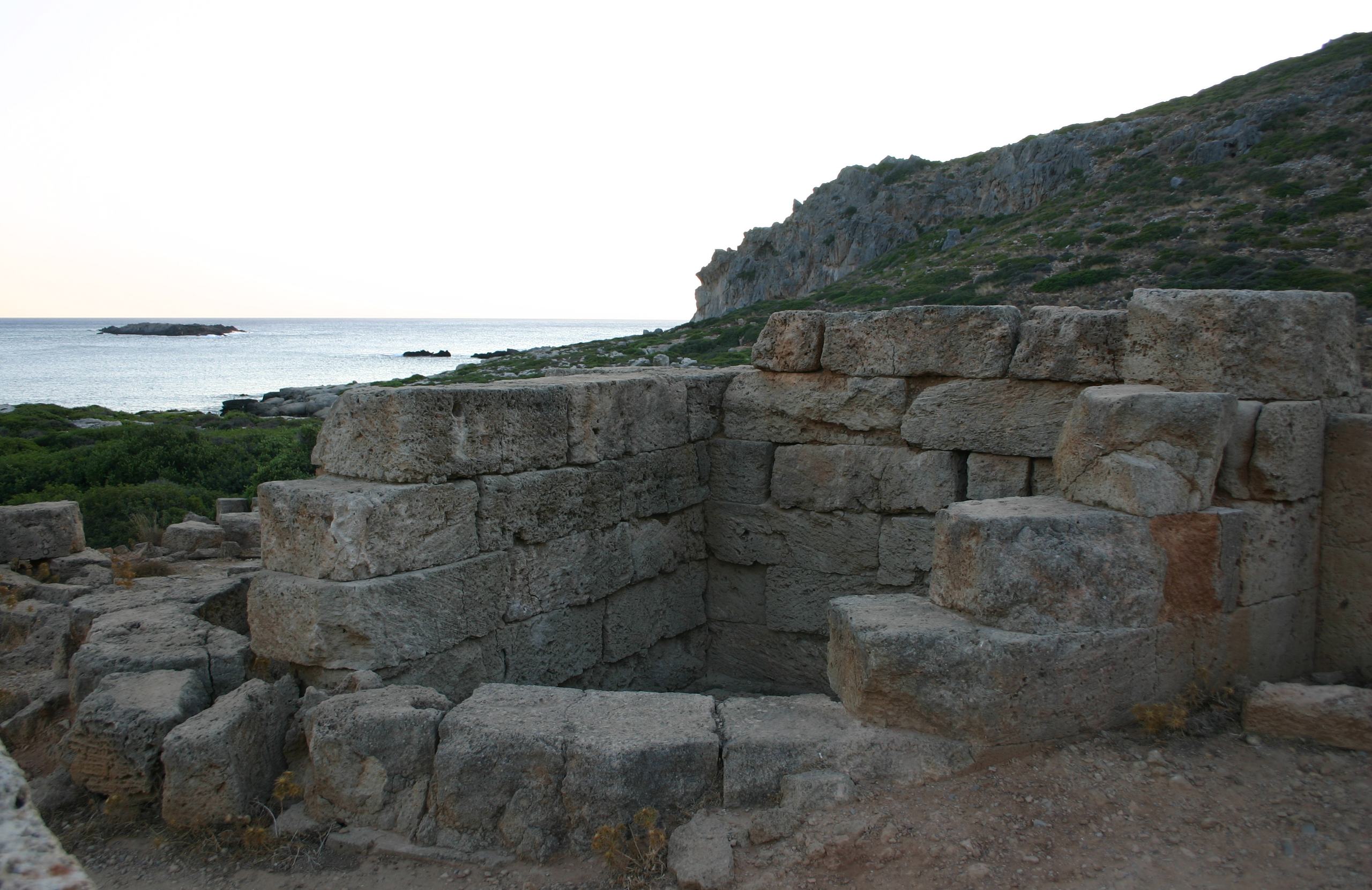
The bay is open to the west wind, and on windy days the waves can be high. The area is protected as part of the Natura 2000 network. At the north end of the bay, on Cape Koutri, are the remains of ancient Phalasarna, a city whose harbour now lies on dry land, because the land here has risen since ancient times.
Falassarna is about an hour's drive west of Chania. From the town of Kissamos, drive west to the village of Platanos and follow the signs down a winding road to the coast. There is parking close to the sand. Public buses also run from Chania and Kissamos in summer; check the timetable before you travel.
On days with a strong west wind, it can be hard to stay on the beach, so check the forecast before you go. The site of ancient Phalasarna is fenced; check whether it is open. It can be reached on a short dirt track from the end of the paved road, or on foot from the beach in about 20 minutes.