

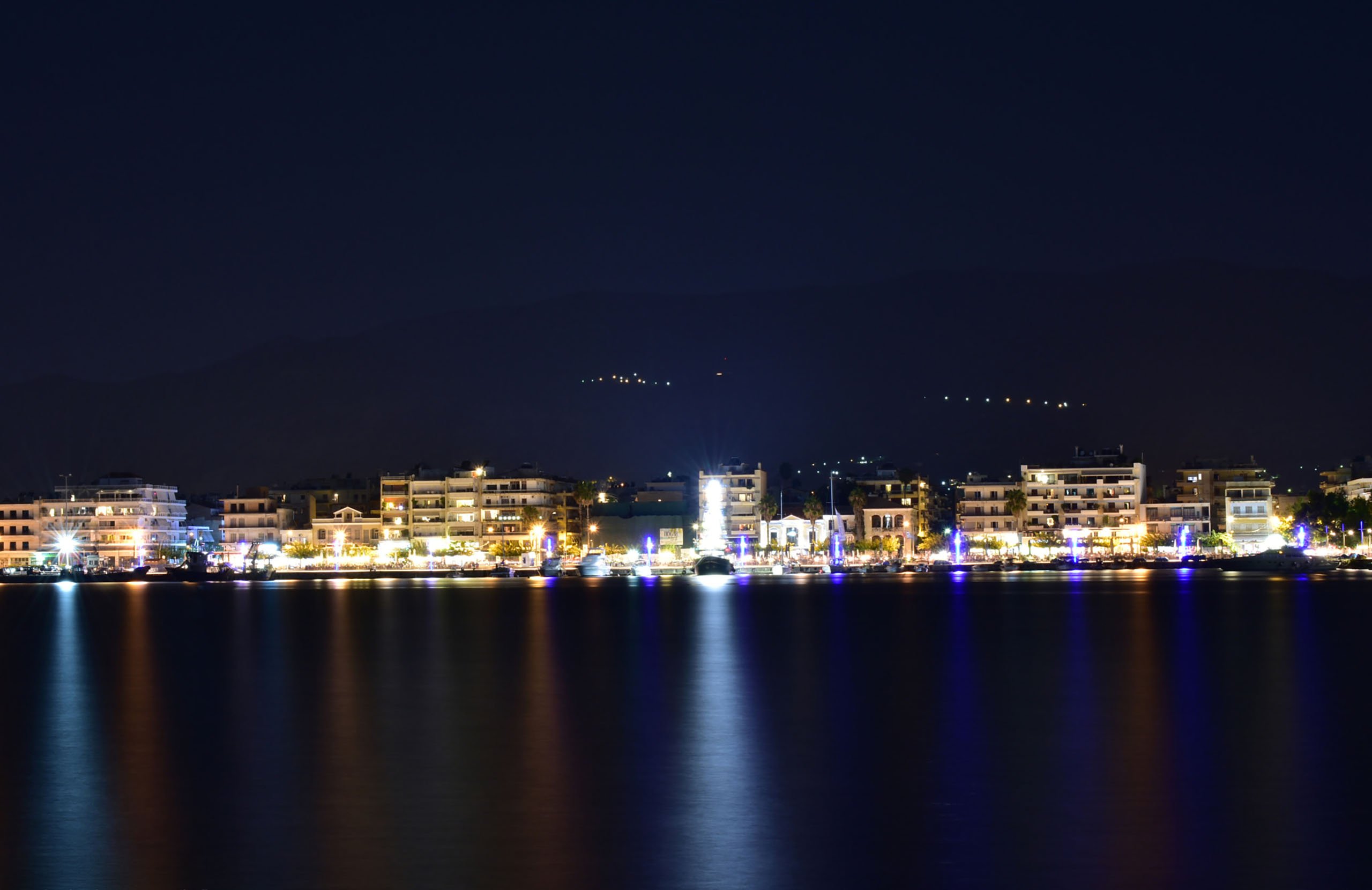
Kalamata is the second largest city in the Peloponnese, at the head of the Messinian Gulf, with the Taygetos rising directly behind it and a plain of olive groves spreading out in front.
The name means olives to most of the world, and the city has earned that: the Kalamata olive and Messinian olive oil are exported from here in quantity.
Two dates explain the city. On 23 March 1821 the Greek revolution was declared in its church of the Holy Apostles, which made Kalamata the first Greek city to be freed. And on 13 September 1986 an earthquake destroyed a fifth of its buildings — including that church — and the city was largely rebuilt afterwards.
History & Culture
Where the revolution was declared
On 23 March 1821, in the small Byzantine church of the Holy Apostles in the old town, the fighters of the Mani and Messenia declared the Greek revolution. Kalamata was the first Greek city taken from the Ottomans, and the square in front of the church is still the centre of the old town.
The castle
The Castle of Kalamata occupies the hill above it, built in the early thirteenth century on the site of the ancient acropolis. It passed through Frankish, Byzantine, Venetian and Ottoman hands, and enough of the walls and the keep survive to make the climb worthwhile. The summer festival uses it as a venue.
A city rebuilt
An earthquake in September 1986 brought down a fifth of Kalamata's buildings, including the church of the Holy Apostles. The reconstruction that followed was deliberate: the city was replanned, and the neoclassical houses and Byzantine monuments were restored rather than cleared. That is why a modern city centre here has its older fabric still inside it.
Museums
The Archaeological Museum of Messenia holds material from across the regional unit, from the Mycenaean period onwards. The Military Museum covers the twentieth century, and the Railway Park on the seafront is an open-air collection of old locomotives laid out as a public garden.


Beaches
Kalamata's beach runs for about two and a half kilometres along the front of the city. It is fine pebble mixed with sand, organised along its whole length, and it is part of the city's daily life as much as a beach — with cafés and tavernas on the promenade behind it.
Almyros, ten minutes west, is quieter. Santova, twenty minutes on, is shallow and better with small children.
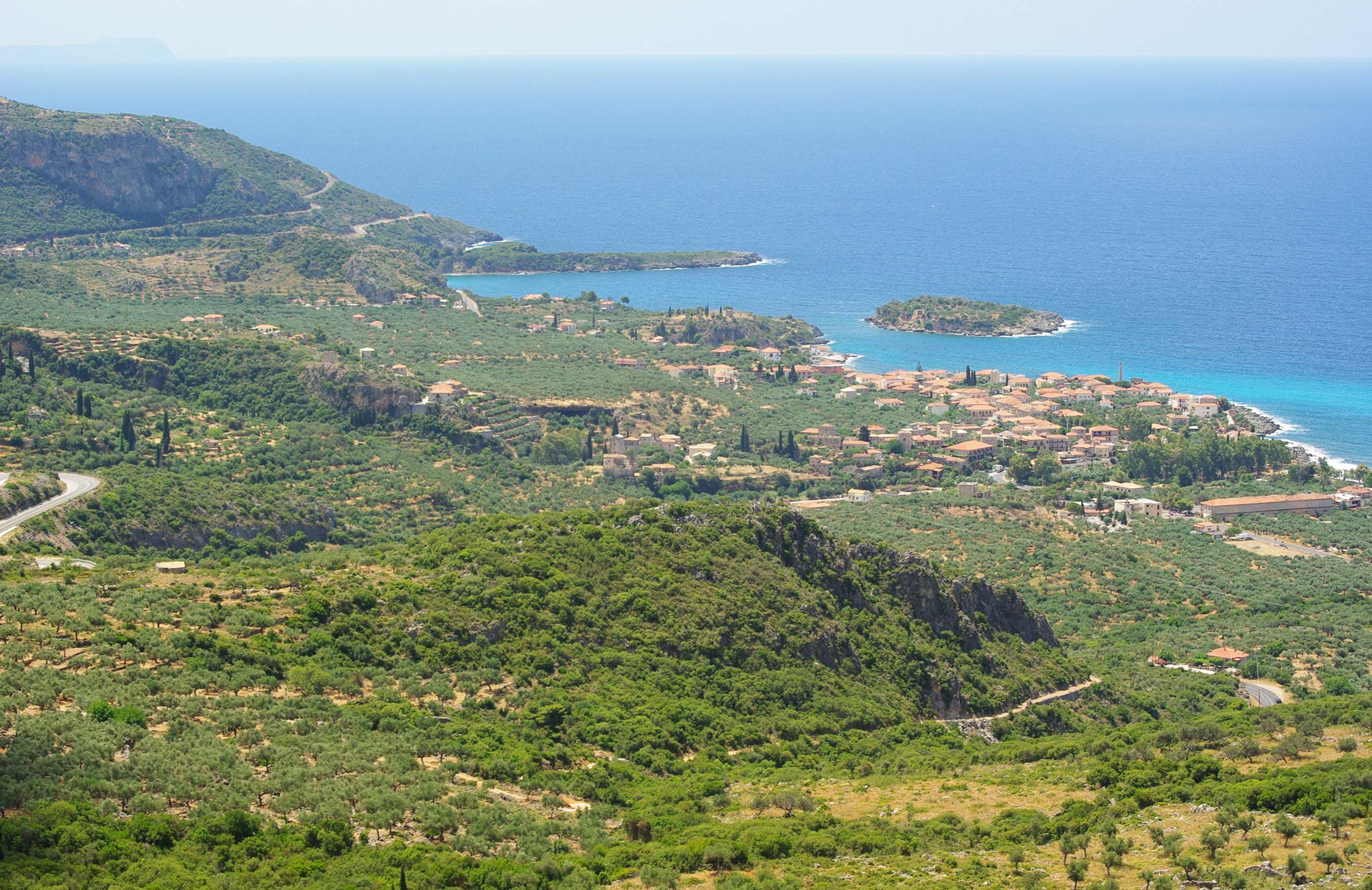
Further round the gulf the coast improves: Kitries, Kardamyli and the coves of the Mani are half an hour to an hour south, with clearer water and far fewer people.

Activities
Kalamata Marina is one of the larger marinas in the Peloponnese and a base for sailing in the Messinian Gulf, with the Mani coast and the western Messenian beaches within a day's sail.
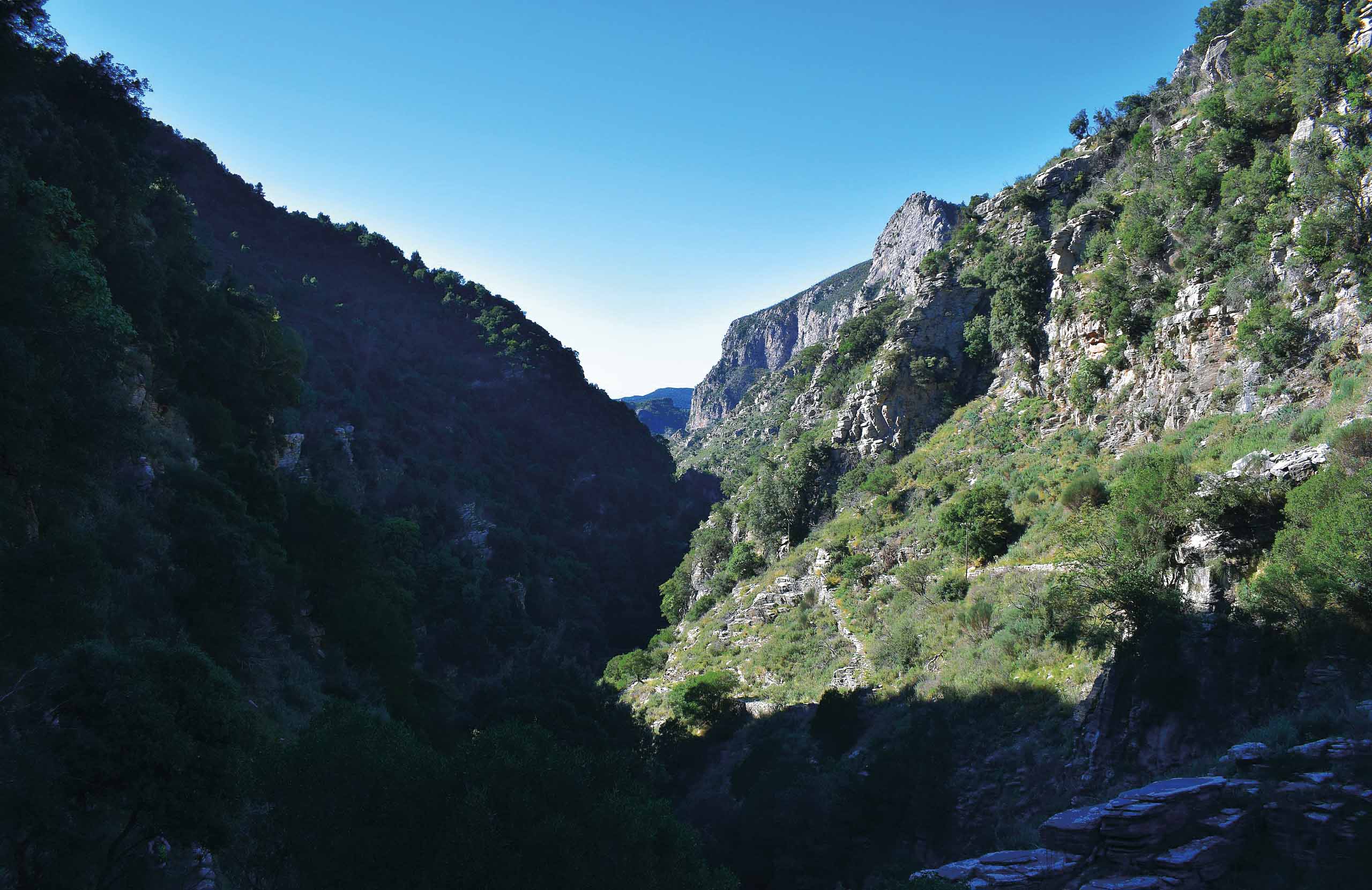
Behind the city, the Taygetos offers serious walking, and the gorge of Rindomo cuts down towards the plain. Paragliding operates from the slopes above the city.
In July the Kalamata International Dance Festival brings contemporary dance companies to the city, in the castle and in the old railway buildings.

Food & Drink
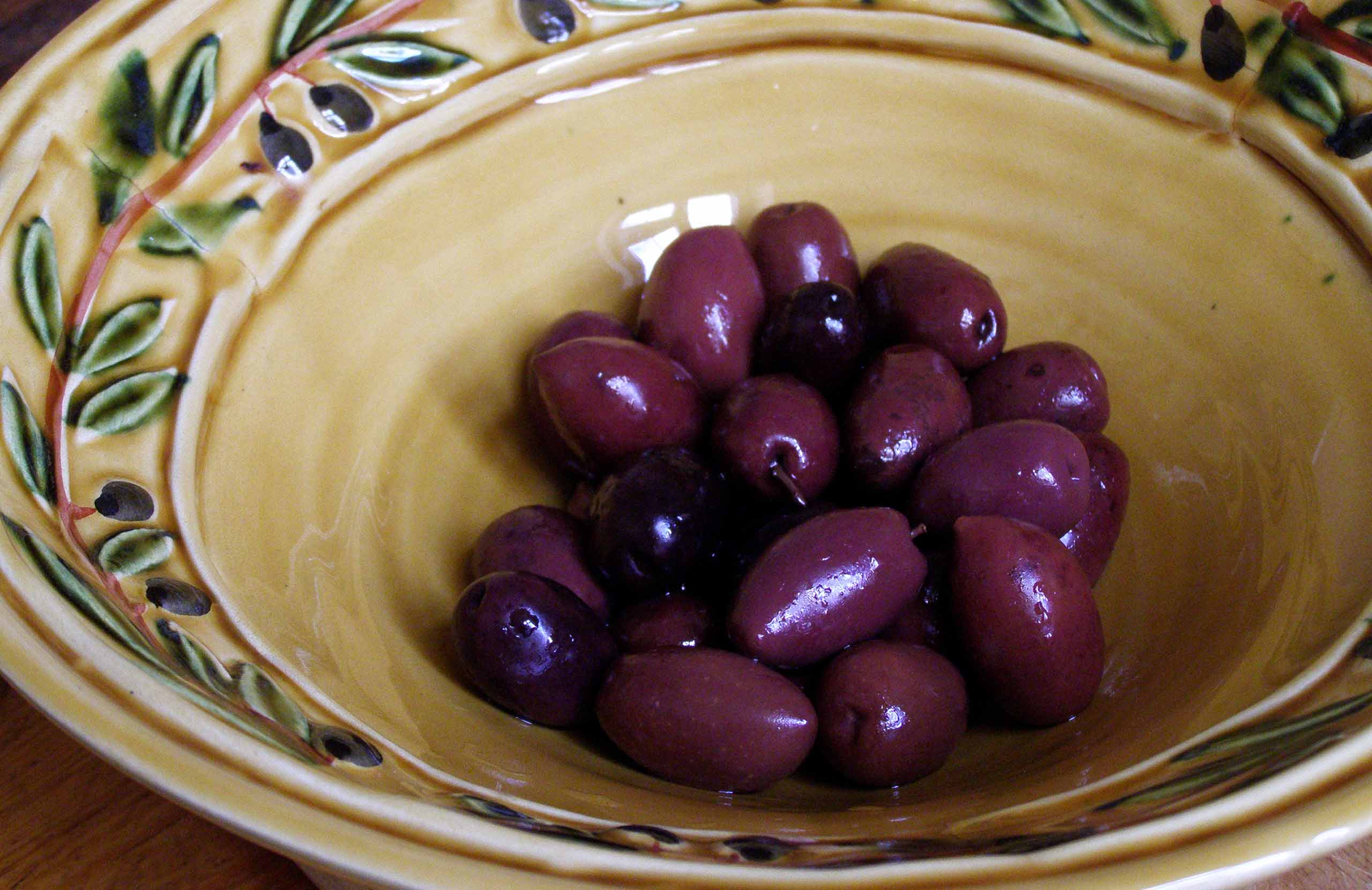
The Kalamata olive is a protected designation of origin and the best-known Greek olive in the world — large, dark and almond-shaped, cured rather than brined. Messinian olive oil carries its own protected designation.
Both come from the plain you drive through to get here, and both are sold in the central market, which is the place to buy them along with figs, honey and herbs.
On the table, the Messenian dishes are gouronopoulo, spit-roasted suckling pig, and lalangia, strips of fried dough. Sfela, a hard sharp sheep's cheese kept in brine, is the local cheese and has its own protected designation. Diples, thin fried pastry in honey, are the sweet made for celebrations.
Where to Stay
Prices shown per night for a sample 3-night stay. Rates and availability vary by season — select your dates for live pricing.
Practical information
Getting there
Kalamata International Airport is about ten kilometres west of the city, with flights from Athens and direct European connections in season.
By road, Athens is about two and a half hours on the motorway. KTEL buses run from Athens, Patras and Tripoli, and Kalamata is the transport hub for the whole of Messenia and the western Mani.
The port has one seasonal ferry route, to Kythira and Kissamos in Crete, roughly once a week between June and September.
Getting around
The city is walkable — the old town, the castle, the market and the seafront are within twenty minutes of each other, though the castle is a climb.
A car is needed for the region: Ancient Messene is half an hour inland, Pylos fifty minutes west, and the Mani coast begins immediately south.
When to go
April to June and September to October are the best months. Spring on the Messenian plain is exceptional, and the heat inland in July and August is serious.
23 March is marked in the city every year, and the dance festival is in July. Kalamata works year round as a regional capital rather than closing out of season.
Good to know
The castle is a climb on uneven ground, with little shade.
The city's own beach is convenient rather than beautiful — for good swimming, drive south into the Mani or west towards Messenia.
Buy olives and oil from the central market or from producers, not from the tourist shops on the seafront.
Kalamata— been there?Tell others what you saw.
A photo and two lines are enough.
