
The Evros — known as the Maritsa in Bulgaria and the Meriç in Turkey — rises in Bulgaria’s Rila Mountains and runs about 480 kilometres to the Aegean Sea, usually described as the longest river confined entirely to the Balkan peninsula. For its final stretch through Thrace, it forms the border between Greece and Turkey, and its mouth spreads into the Evros Delta, a Ramsar-listed wetland that ranks among the most important stopover points for migratory birds in Greece.
Geography
Bulgaria holds most of the river's drainage basin and its upper and middle course; only the final 200 kilometres or so, from the town of Svilengrad down to the sea, touch Greek territory. For a short stretch below Svilengrad the river separates Bulgaria from Greece, then becomes the Greek-Turkish border for the rest of its course to the Aegean, a line fixed by the Treaty of Lausanne in 1923.
The river was a frontier long before 1923. In 1371, an Ottoman army defeated a Serbian force at the Battle of Maritsa nearby, one of the battles that opened the Balkans to centuries of Ottoman rule. Didymoteicho and Orestiada, the two main towns on the Greek bank, both carry that older, mixed Byzantine and Ottoman history, though today they see far fewer visitors than the Greek coast.

Nature & Outdoors
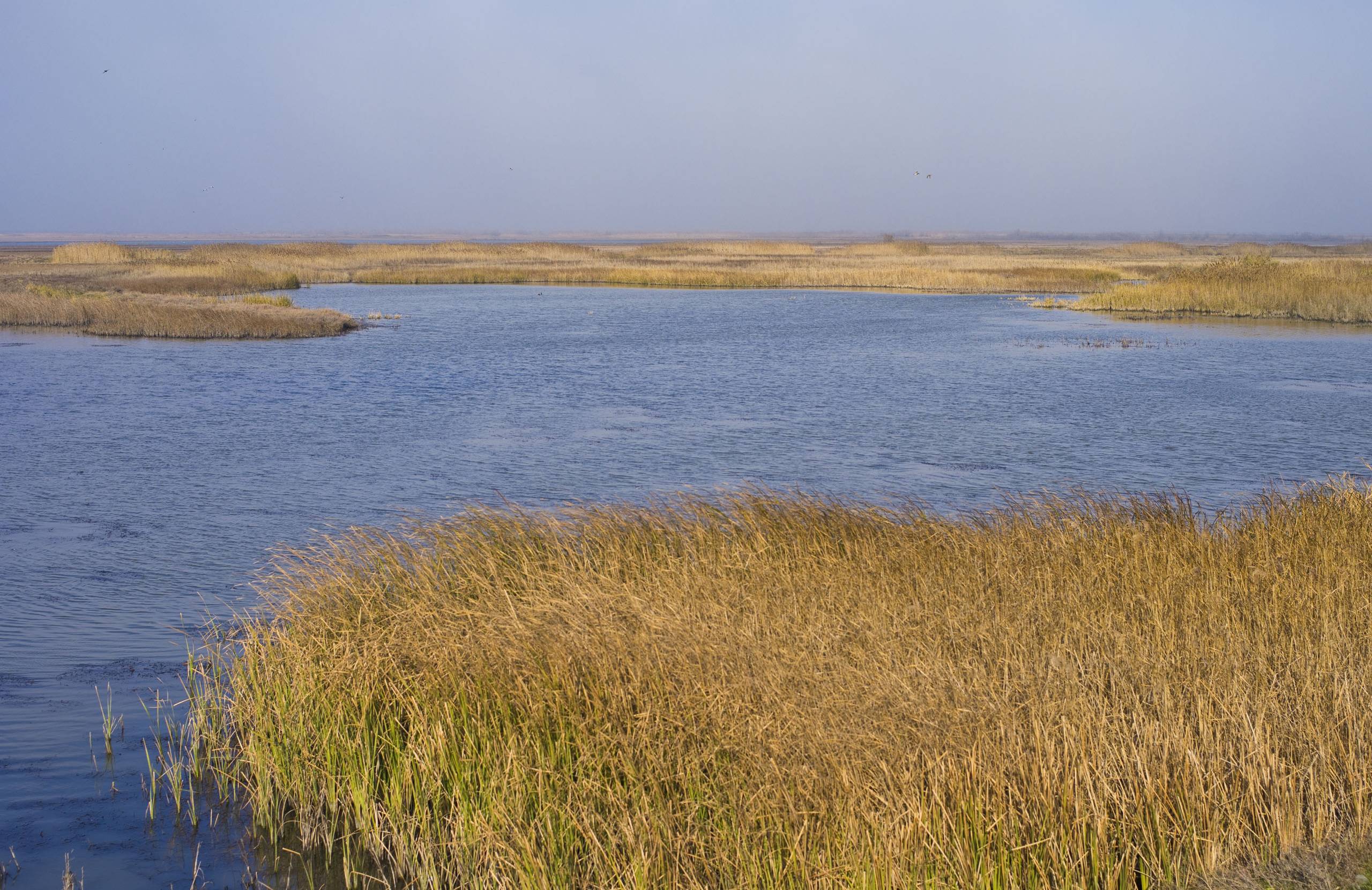
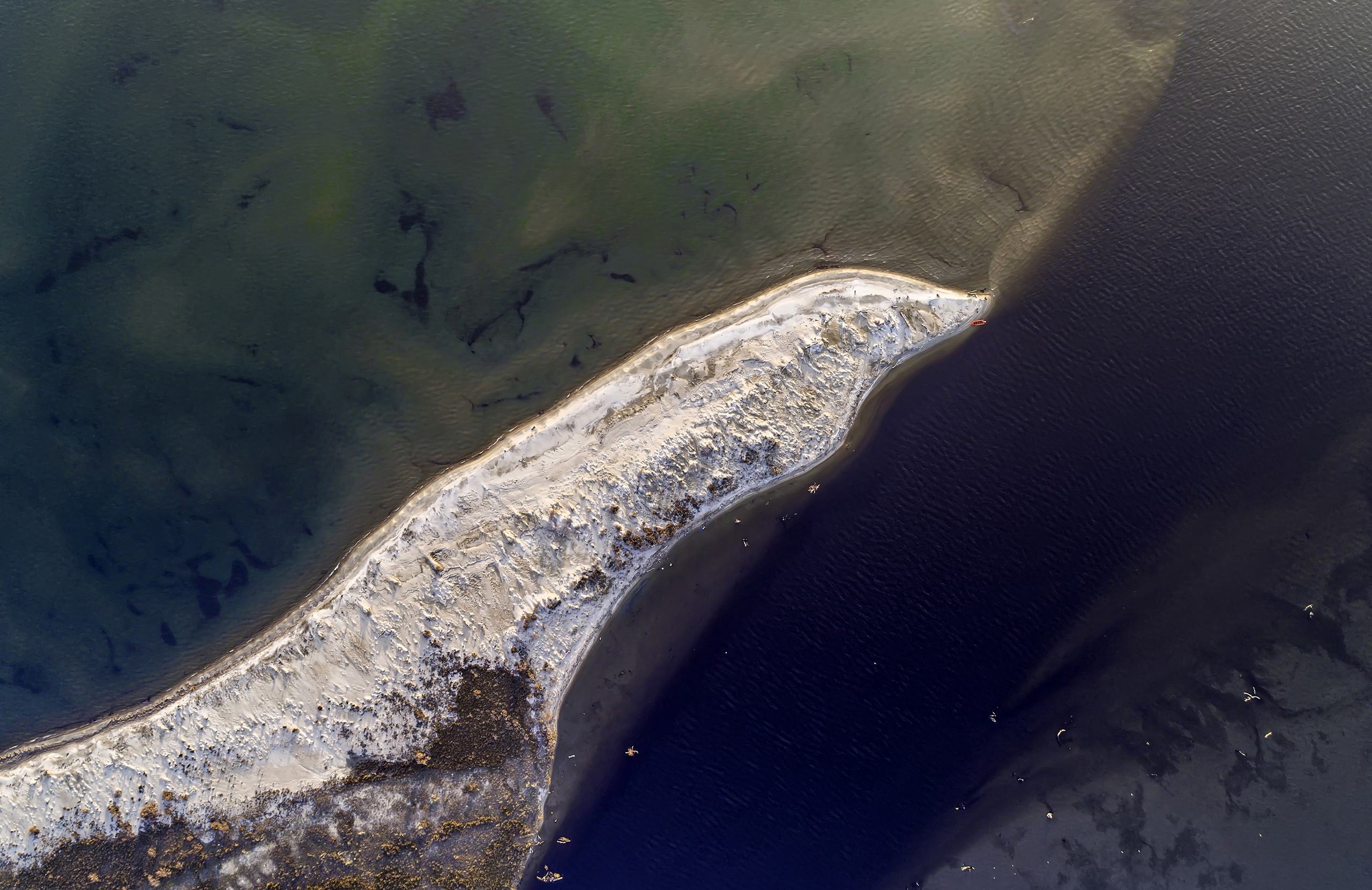
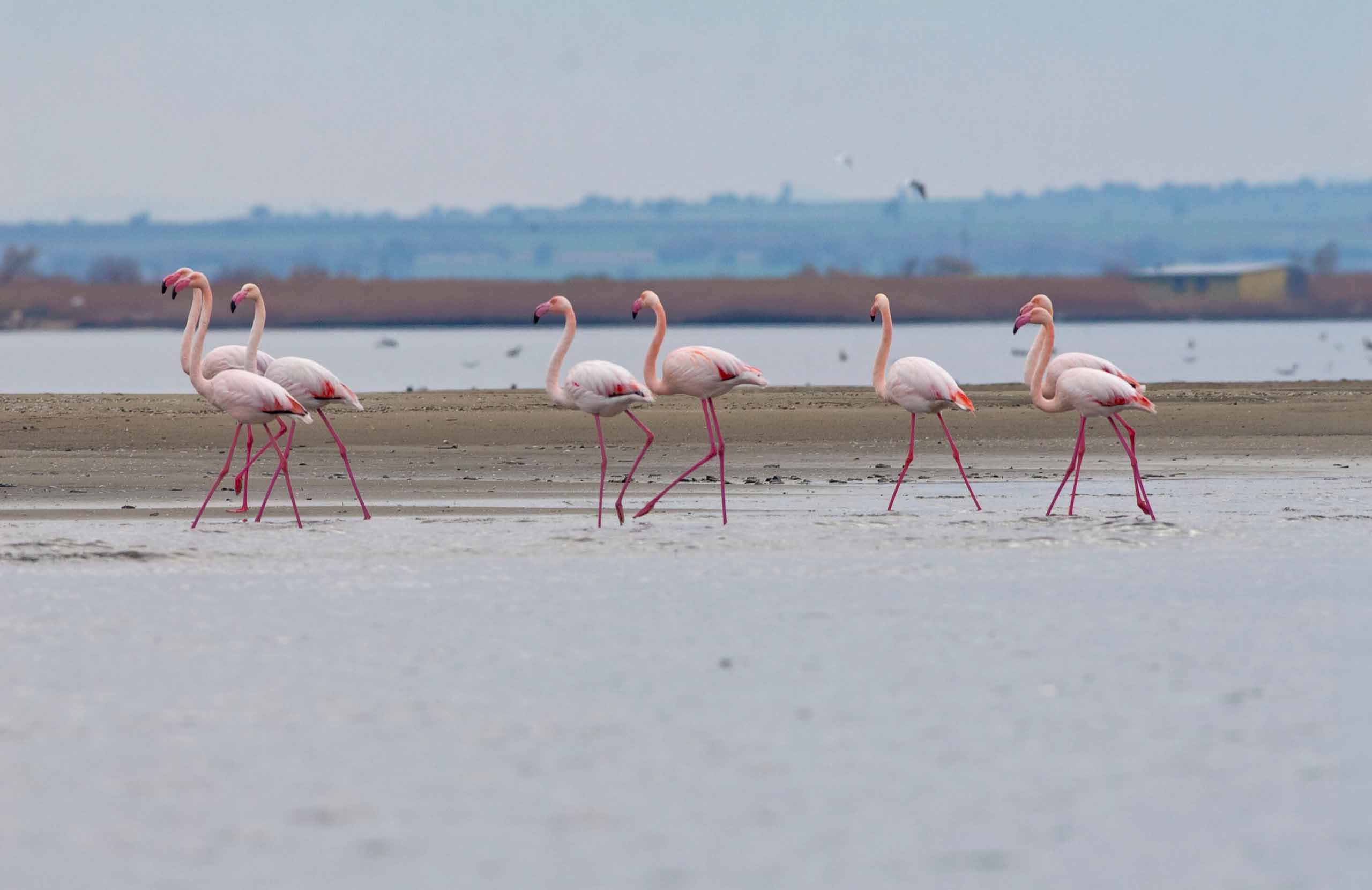
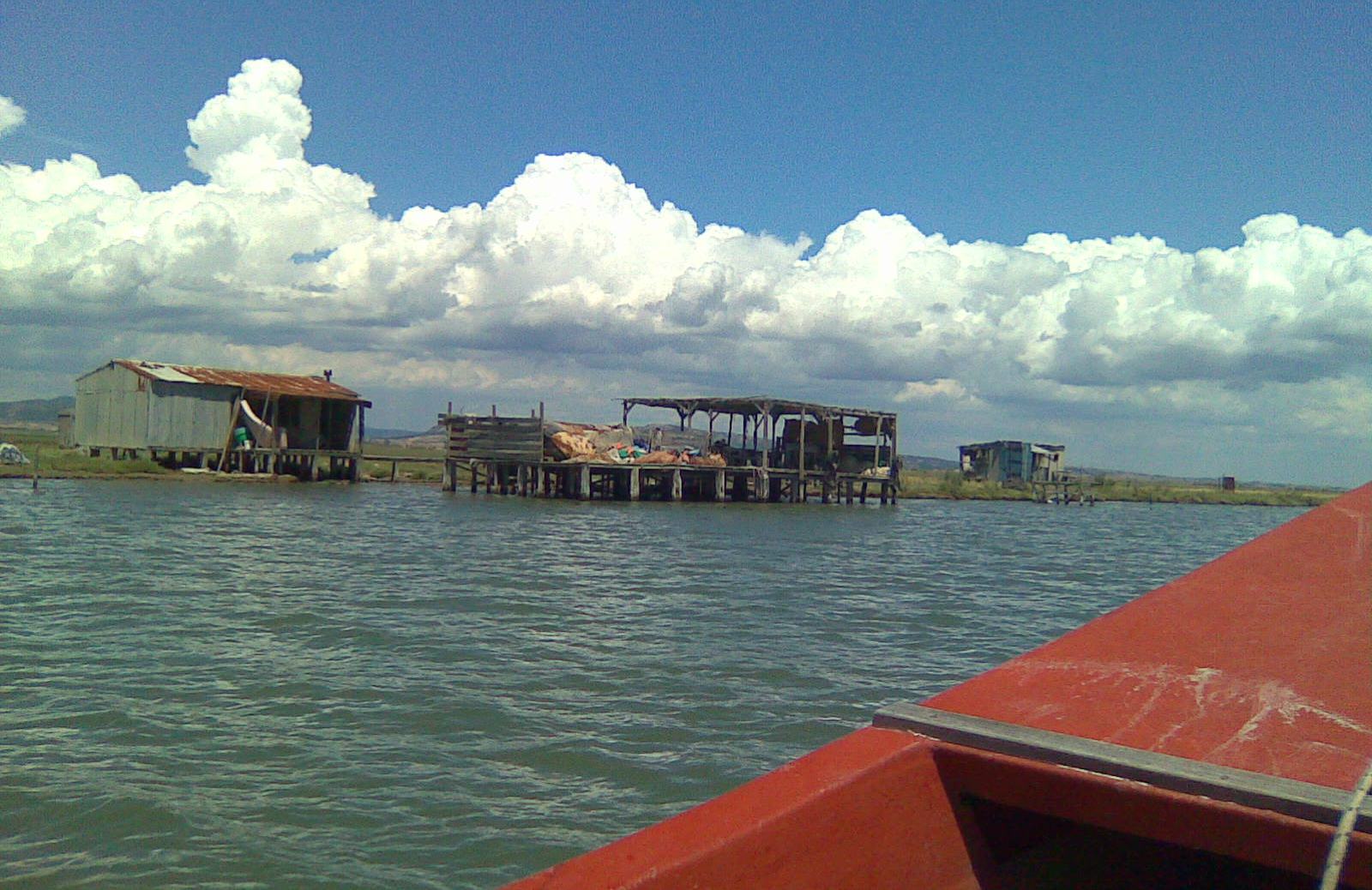
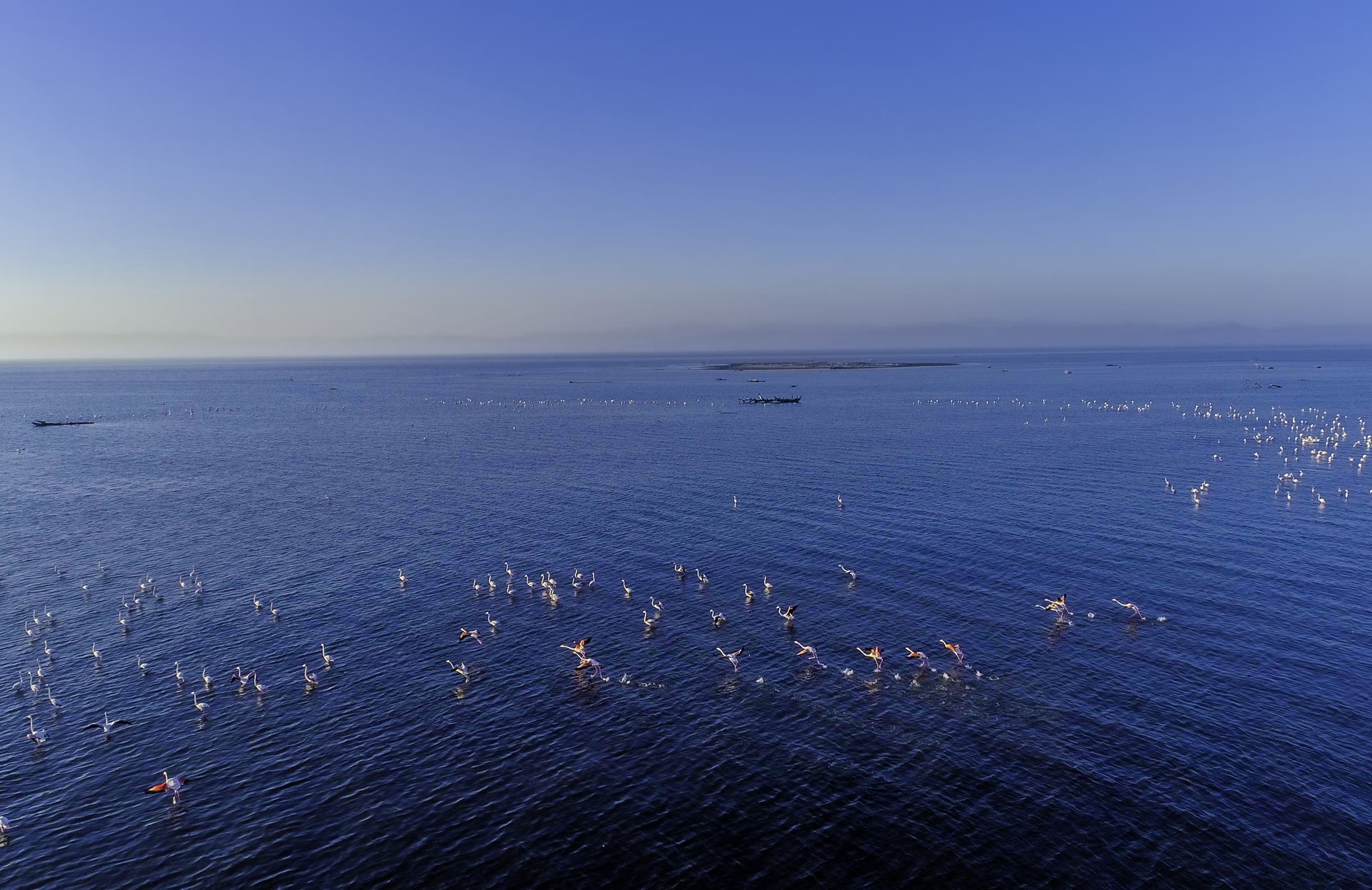
At the river's mouth, the Evros Delta spreads into lagoons, reedbeds and salt pans that have been a Ramsar-listed wetland since 1975 and are recognised as the most important site in Greece for wintering waterbirds. Two globally threatened geese, the lesser white-fronted goose and the red-breasted goose, winter here alongside Dalmatian pelicans and pygmy cormorants, and black storks and bee-eaters arrive to breed in summer.
There is no marked trail network through the wetland itself; visitors follow a mixed asphalt-and-dirt road from the village of Loutra past a series of lagoons and observation points, and spring and winter are the two strongest seasons for numbers and variety alike. The deepest part of the delta lies inside a military-controlled border zone and can only be entered with an authorised guide or prior permission.
Villages & Inland
Soufli, a small town whose centre sits barely 500 metres from the Evros, built its economy on silk during a boom between 1870 and 1908, when a new railway link and treatments for silkworm disease pushed production to its peak. World War I and the loss of nearby mulberry-growing land to Turkey after 1922 ended that boom, and silk is no longer produced here at any real scale.
Two museums, one of them still running historic silk-making machinery, keep the trade's memory alive. Along the river itself, fishing for carp and catfish today is a local pastime rather than an organised industry, practised mostly around Didymoteicho and Orestiada.
Practical information
Getting there
The nearest airport is at Alexandroupoli, about 40 kilometres from the delta and reachable by domestic flights from Athens or Thessaloniki; from there it is a short drive to Didymoteicho, Orestiada or the delta's entrance village of Loutra. There is no meaningful public transport along the river itself, so a car is the only practical way to see more than one stop.
Getting around
The delta itself is explored by a single road running from Loutra past a series of lagoons and observation points, part asphalt and part dirt track; a normal car manages it in dry weather. The deepest sections of the delta sit inside a military-controlled border zone and are closed to visitors without an authorised guide or prior permission.
When to go
Spring brings the widest variety of breeding birds to the delta, and winter brings the greatest numbers, when thousands of waterfowl gather; autumn and summer are quieter but still active. Summer along the upper river around Didymoteicho and Orestiada is hot and better suited to the towns than to time on the water.
Good to know
Because the border runs down the middle of the river for most of its Greek course, swimming or boating across it is not permitted, and the delta's restricted zone should be treated as a hard boundary, not a suggestion. Binoculars are worth packing even for a casual visit, since most of the wildlife here is seen from a distance rather than up close.
Evros River— been there?Tell others what you saw.
A photo and two lines are enough.
