Volos is a modern city in Thessaly, characterized by its charming seaside promenade filled with parks, cafes, and the world-famous tsipouradika. Visitors can explore intriguing museums and historical archaeological sites, as well as unique churches and lush landscapes. Additionally, the magical Mount Pelion, with its picturesque villages, is nearby. Volos is one of the largest cities and one of the most important ports in Greece.
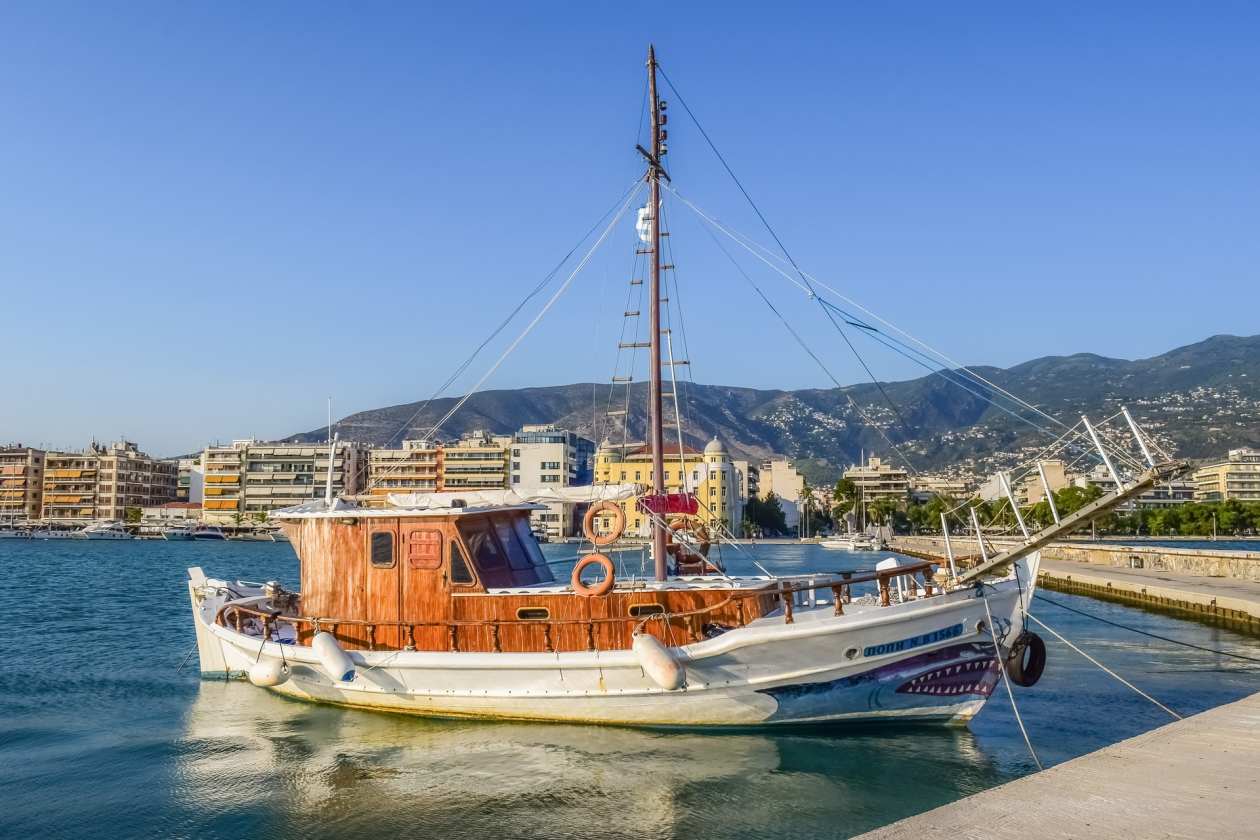

Seaside Promenade in Volos - A Stroll
The first thing that comes to mind when thinking about Volos is its magnificent seaside promenade, dotted with numerous tsipouradika. It starts from the bustling port of the city and stretches for about 2.5 kilometers to the Goritsa Hill. It is estimated that the "Capital of Tsipouro" hosts over 600 tsipouradika, where with every round of tsipouro comes a corresponding meze. Often, there is no need to order additional food. Walking along the coastal avenue, visitors can enjoy the stunning view of the bay and admire the colorful fishing boats moored in the harbor. Finally, from the port of Volos, you can catch a boat or dolphin to the enchanting and lush Sporades islands.
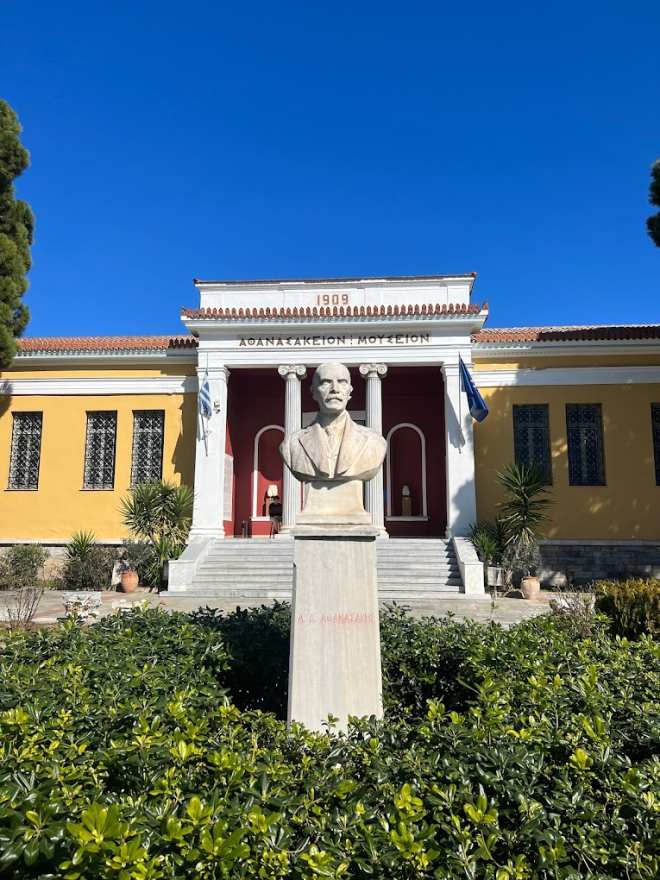
Volos is home to many interesting museums and art spaces that will capture your attention. In my opinion, you should start with the Athanasakeion Archaeological Museum of Volos, one of the oldest museum institutions, built in a neoclassical style thanks to the donation of the Greek expatriate Alexis Athanasakis. It houses some exceptional prehistoric findings from the area, such as terracotta figurines, jewelry, and stone tools, as well as entire burials from the Mycenaean period, Hellenistic tombstones, and reliefs from the Early Christian and Byzantine periods.
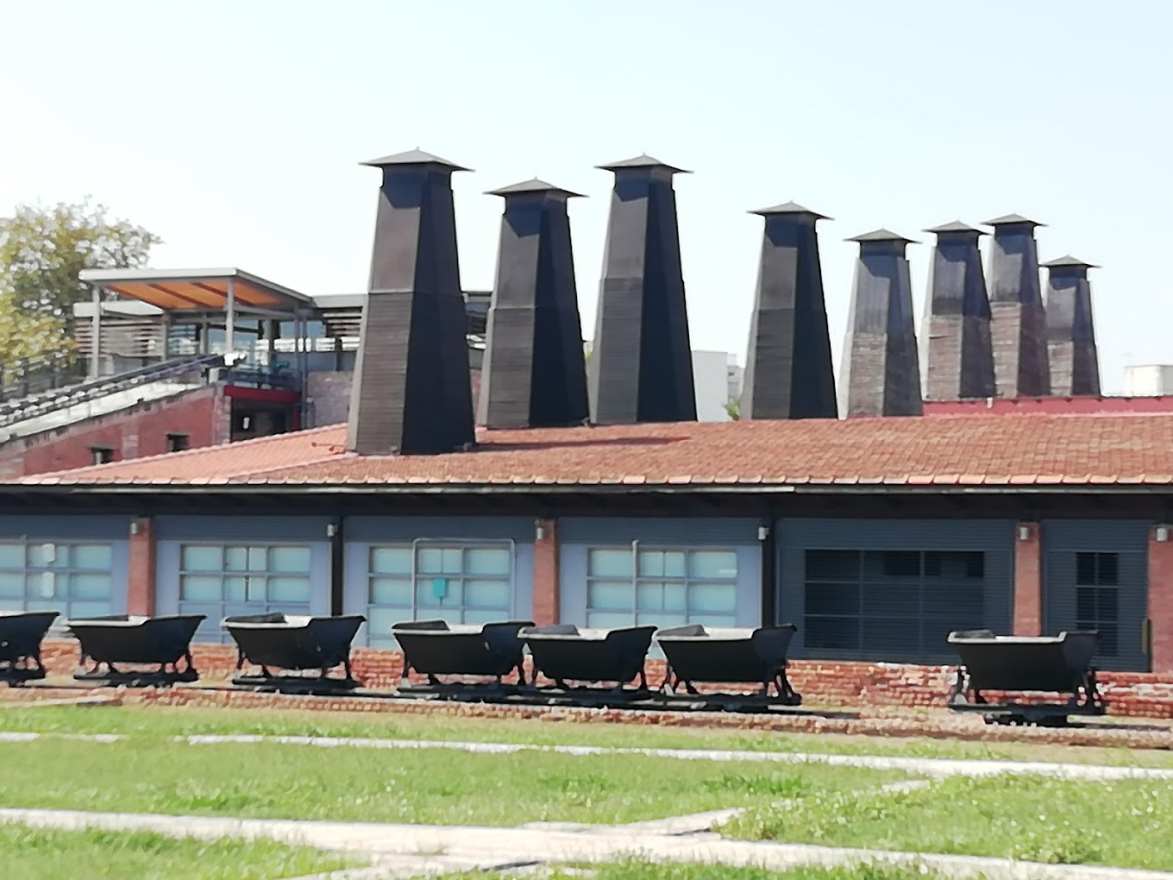
Don’t miss the Tsarouchas Brick and Tile Museum, founded in the 1920s by Spyridon and Nikolaos Tsarouchas. It is an excellent example of Volos' industrial development in the 20th century and a highly interesting place to visit. After the factory closed in the 1970s, the Hoffmann kiln, trolleys, compressors, clay silos, dryers, and cutters were preserved on site, and the museum finally opened in 2006.
Google maps, Brick and Tile Museum
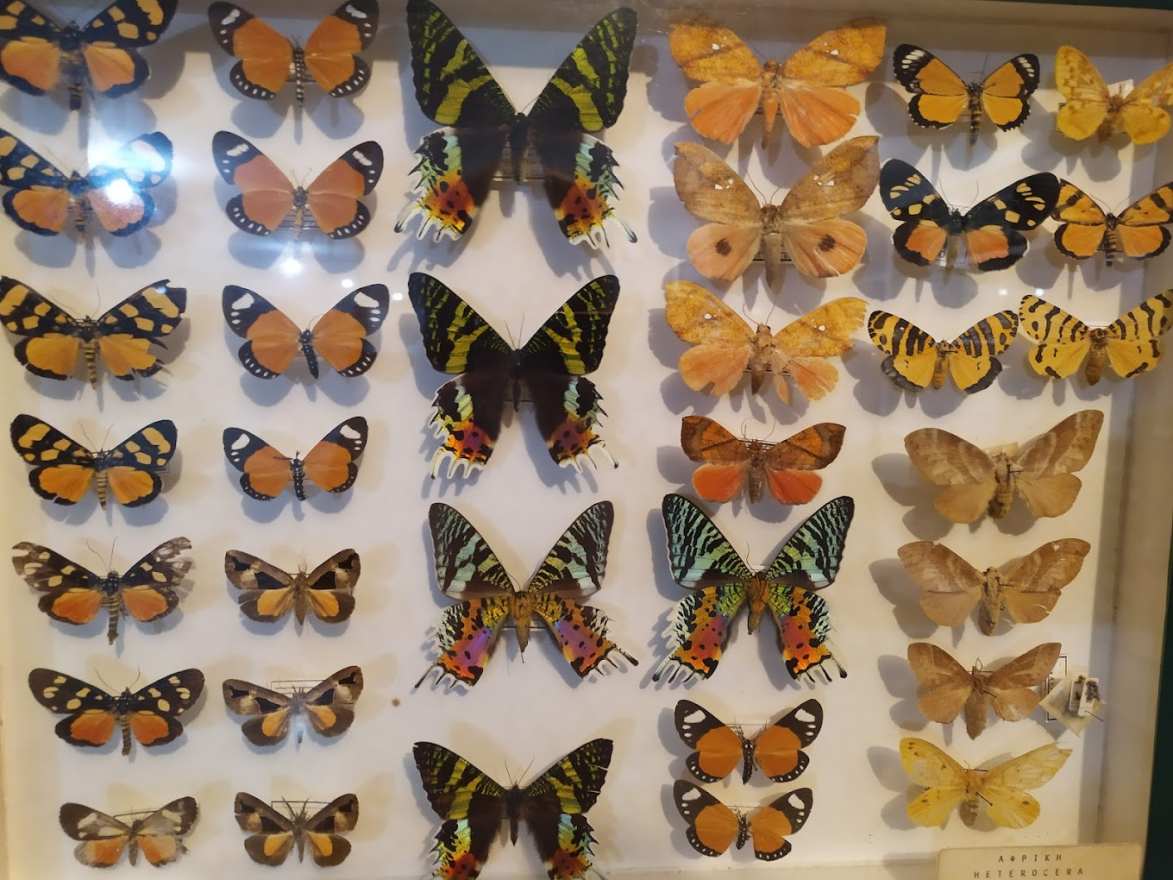
Also worth noting is the Entomological Museum, which is unique in Greece and one of the best in the Balkans. It includes 35,000 insects of various orders, mainly Lepidoptera, belonging to more than 10,000 species, subspecies, and varieties.
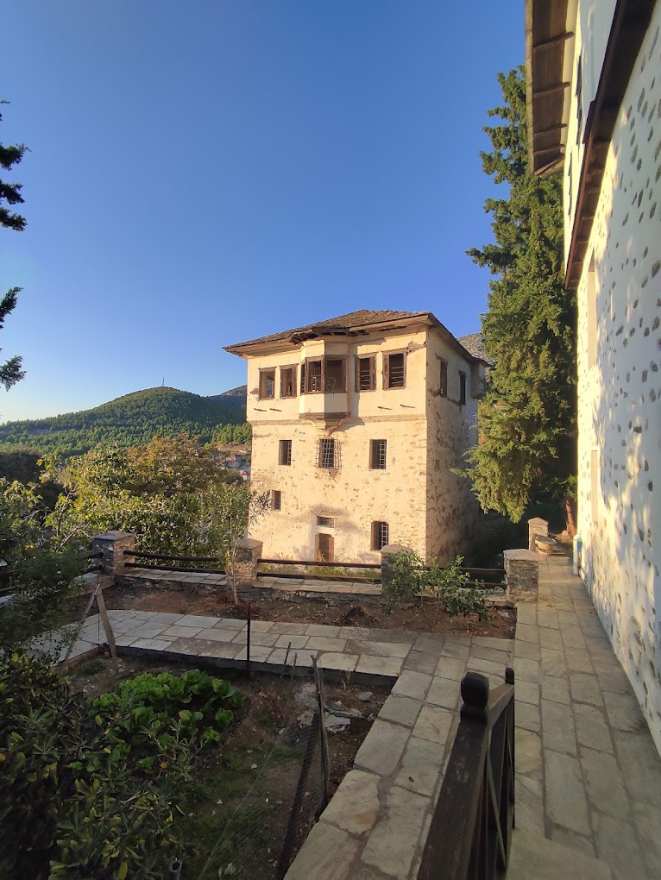
Lastly, the Theophilos Museum, located in the village of Anakasia, about five kilometers from Volos, is highly interesting. This Byzantine-style building dates from 1835 and is distinguished by the magnificent murals created by the great folk artist Theophilos Hatzimichail in the early 20th century.
Churches
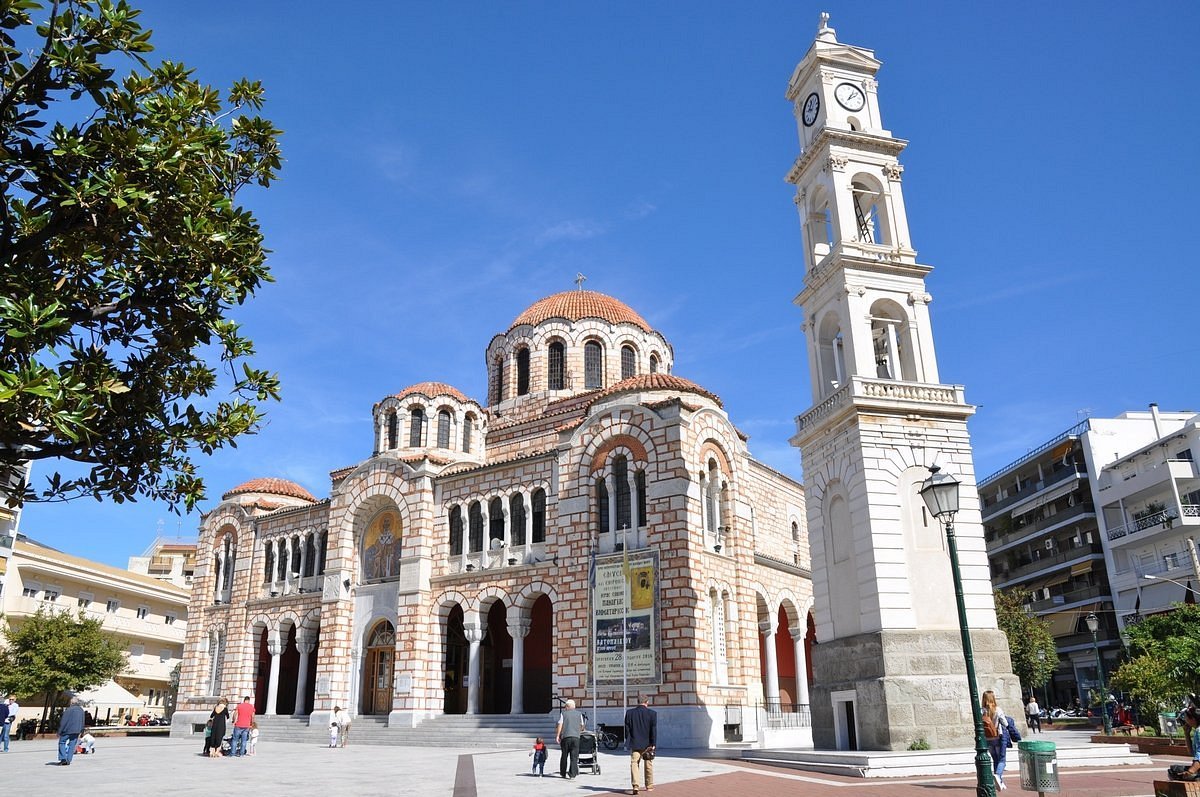
Volos has many interesting churches. The Metropolitan Cathedral of Saint Nicholas is the center of ecclesiastical life for the city's residents, hosting the most significant religious, national, and social events. Equally noteworthy are the Holy Trinity Church, near the Volos Hospital, with unique frescoes by George Gounaropoulos, and the Church of Saints Constantine and Helen, located on the city's seaside road. Finally, don’t miss the Church of the Nativity of the Theotokos, dedicated to the birth of the Virgin Mary. This church, built in a cave at the foot of Goritsa Hill, is considered one of the most picturesque in the area.
Agios Konstantinos Park
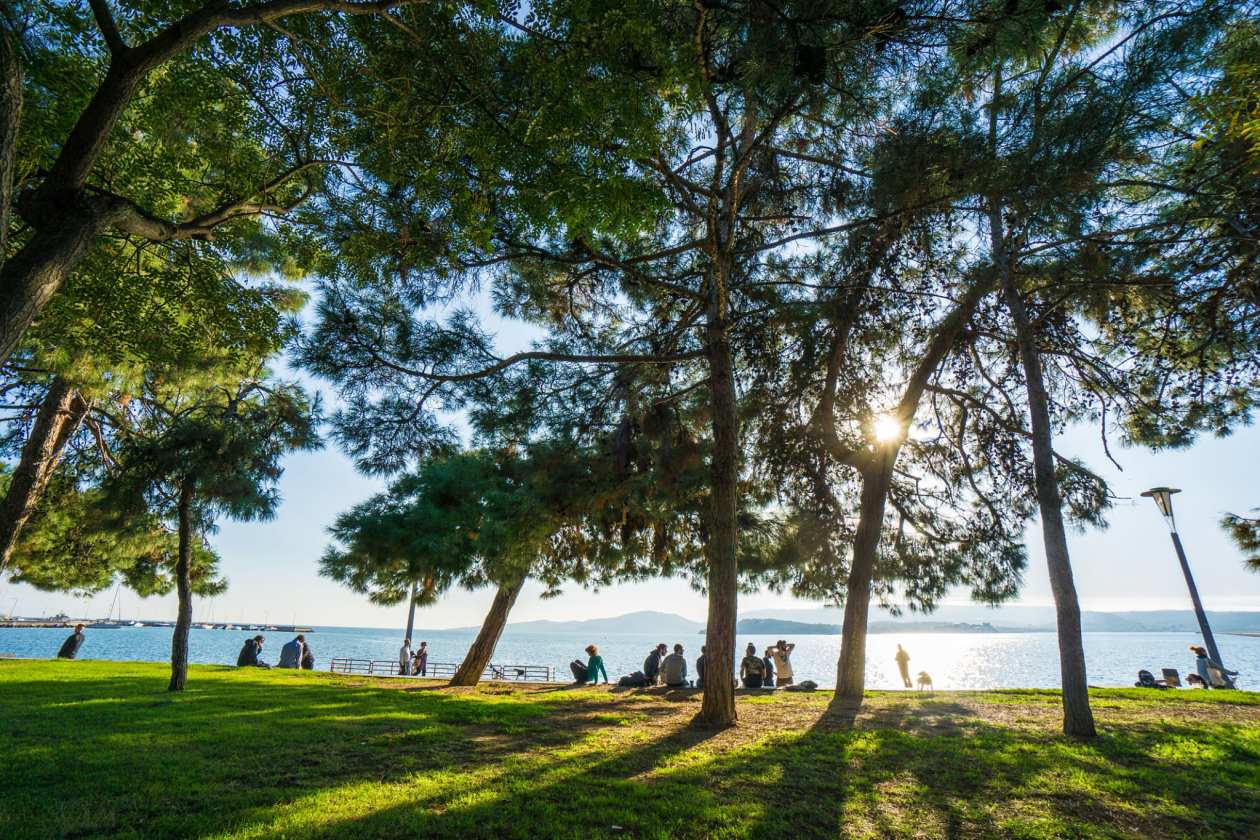
The park in Volos worth visiting is Agios Konstantinos Park. Originally George I Square, it was transformed into a recreational park in the 1920s. At the park's entrance, you can admire the Papastratos tobacco warehouse, built in 1926 and now housing the University of Thessaly. Additionally, you'll find the Kordoni, the breakwater starting with a beautiful little bridge and ending at the harbor lighthouse. Finally, adjacent to the park, you'll encounter the imposing church of Saint Constantine, after whom the park is named.
Anavros Park
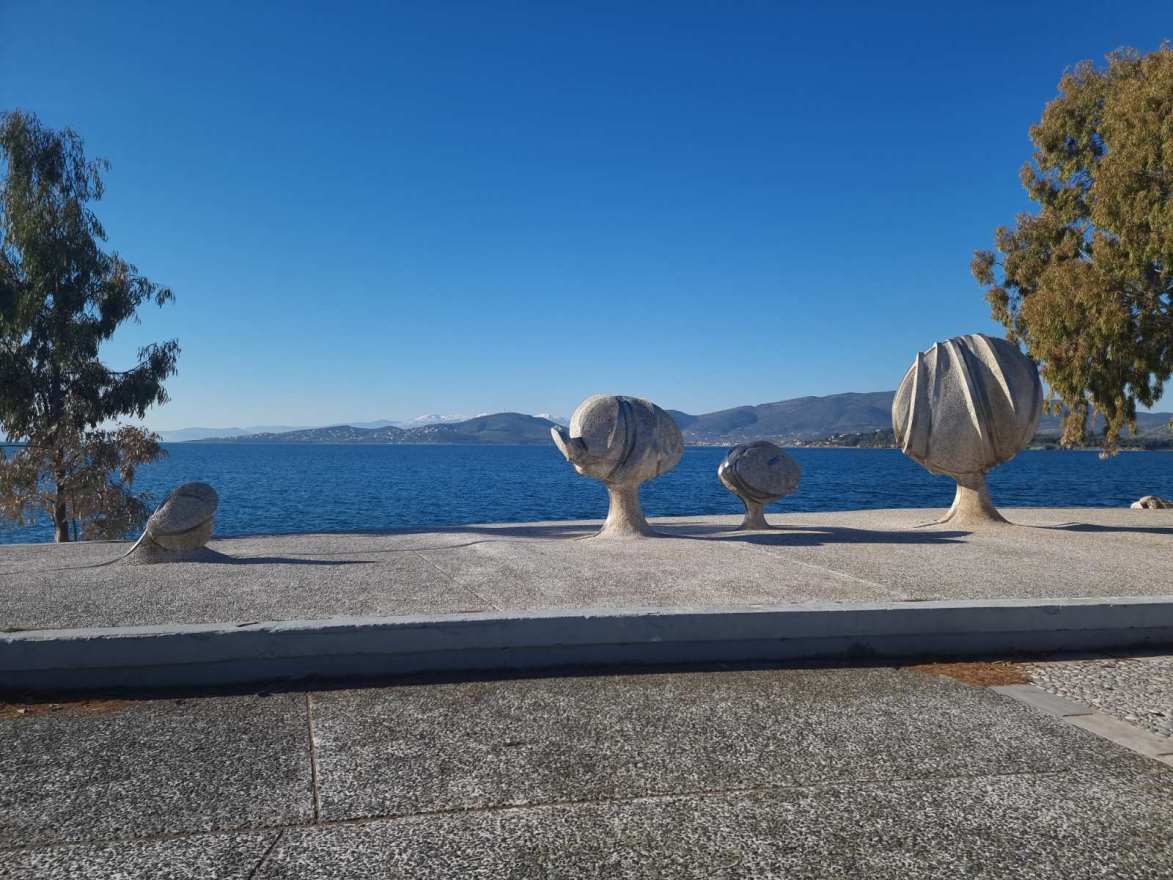
While walking along the city's seaside road, make sure to stop at Anavros Park. This fantastic park is very close to the Archaeological Museum and is considered a hub of art, culture and civilization. Starting from the 1988 International Sculpture Meeting, this seaside exhibition is filled with outdoor sculptures designed by both Greek and foreign artists. The park also features an experimental archaeology workshop modeled after the Neolithic settlements of Sesklo and Dimini. In the space enclosed by two stone-built circular enclosures, two mud-brick houses have been constructed. The smaller one is a complete representation of a typical Neolithic house of the area, with its household equipment, and the second serves as a workshop space for educational activities.
Pelion
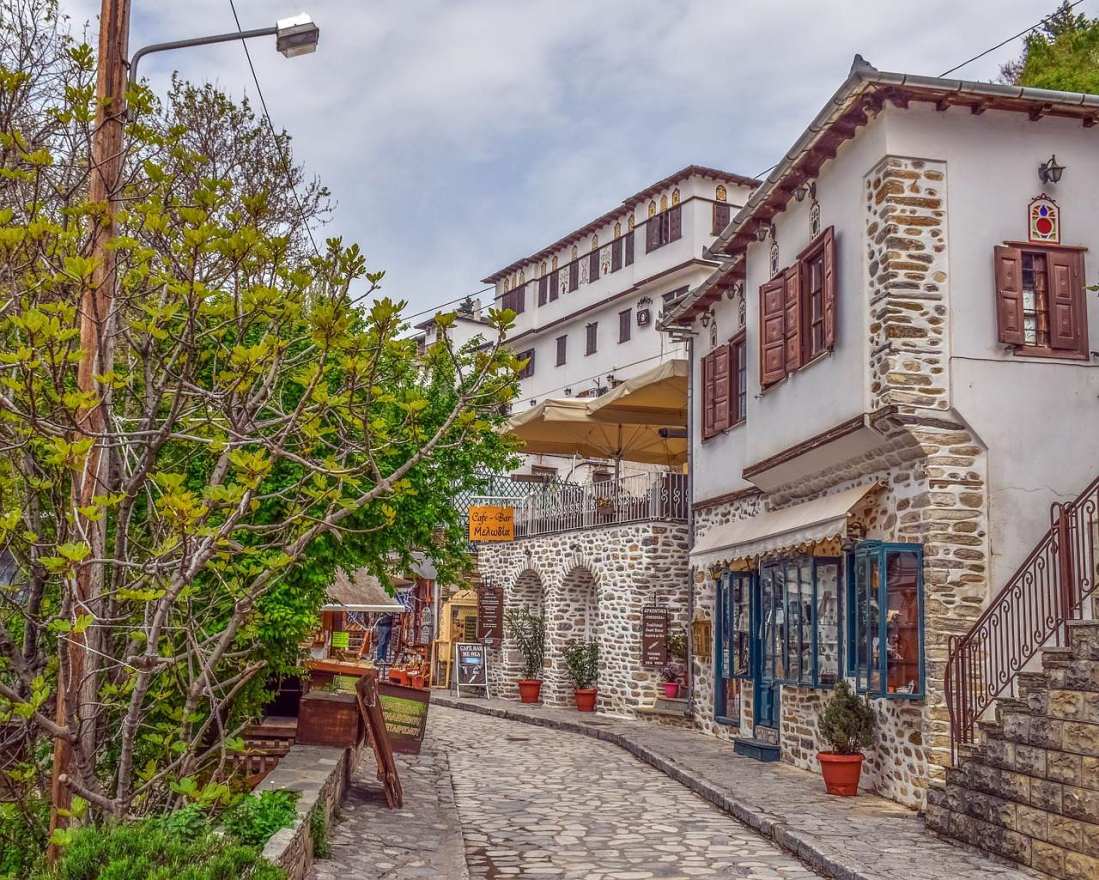
Mount Pelion could not be missing from the top of the list. It is one of the most popular destinations in Greece, offering numerous attractions and activities that captivate visitors year-round. According to Greek mythology, Pelion was the summer residence of the gods and the homeland of the Centaurs, a fact confirmed by the many archaeological sites in the area. Nature lovers will be enchanted by Pelion’s stunning landscapes. The mountain is known for its lush forests, picturesque villages, cobblestone paths, and panoramic views of the Aegean Sea. Many hiking trails crisscross the mountain, offering opportunities to explore its rich flora and fauna. Some of the most beautiful villages in Pelion are Makrinitsa, known as the "Balcony of Pelion," and Tsagarada, famous for its centuries-old plane tree. Finally, despite being a mountain, Pelion has some of the best beaches in the country, such as Agios Ioannis, Mylopotamos, and Plaka.
Centaur's Path
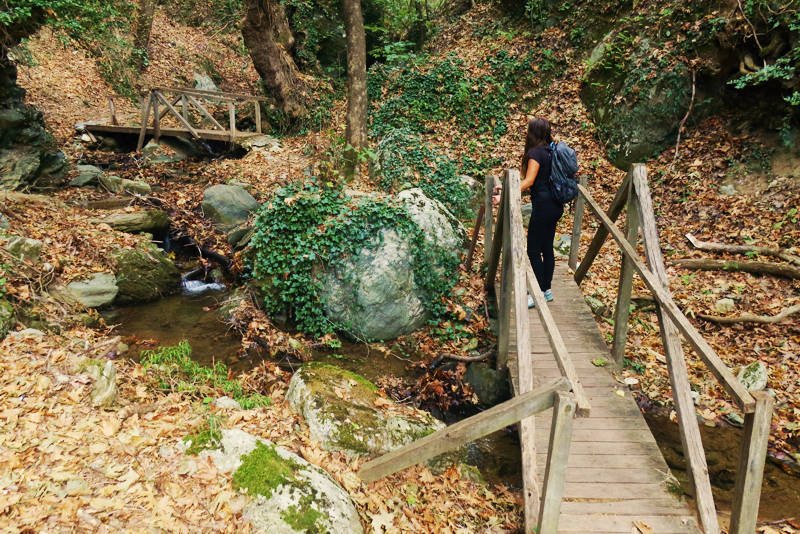
In Greek mythology, Pelion was the domain of Chiron, the Centaur, son of Cronus and the nymph Philyra. Chiron was the teacher of heroes such as Hercules, Achilles, Jason, and Theseus. The Centaur's Path is a short but enchanting route that follows the bed of one of the many streams surrounding village Portaria. In a magnificent landscape filled with beech, plane, chestnut, oak, and maple trees, you will walk over quaint wooden bridges, occasionally catching glimpses of the Pagasetic Gulf and Volos far below. The sound of running water and the lush riverside vegetation will make you understand why this place got its name, as you will feel like the Centaurs are watching you.

