Exploring the Pelion Peninsula
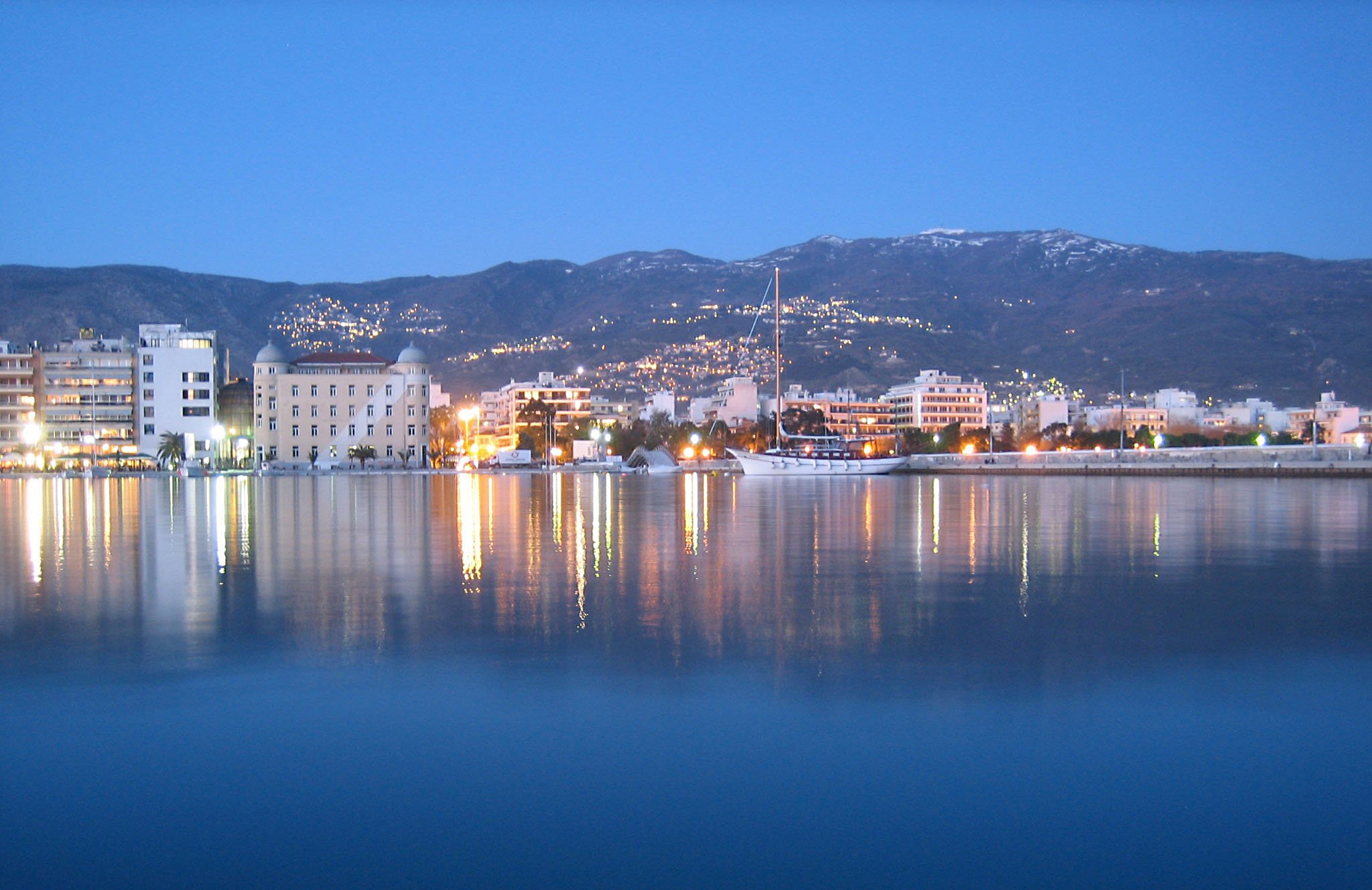


Pelion is the peninsula that curls off the eastern side of Thessaly, with the Aegean on one side and the sheltered Pagasetic Gulf on the other.
The mountain that runs down it, Mount Pelion, is covered in beech, chestnut and plane, and it is unusually well watered for Greece. Twenty-four villages are built on its slopes in a distinctive local architecture — stone, slate roofs, painted interiors — and they are linked by a dense network of cobbled mule paths.
In myth this was the mountain of the Centaurs and the summer home of the gods. In practice it is the only place in Greece where you can ski in the morning with the sea in view and swim in the afternoon. The city of Volos sits at its foot, on the gulf.
History & Culture
Centaurs
Pelion was the home of the Centaurs, and of Chiron, the one among them who was wise rather than wild. He taught Achilles, Jason and Asclepius, and his cave is in the Taxiarchis ravine, on the slope the little train climbs to reach Milies.
The mountain was also where the gods came in summer, and where the wedding of Peleus and Thetis took place — the wedding at which the apple of discord was thrown.
The train
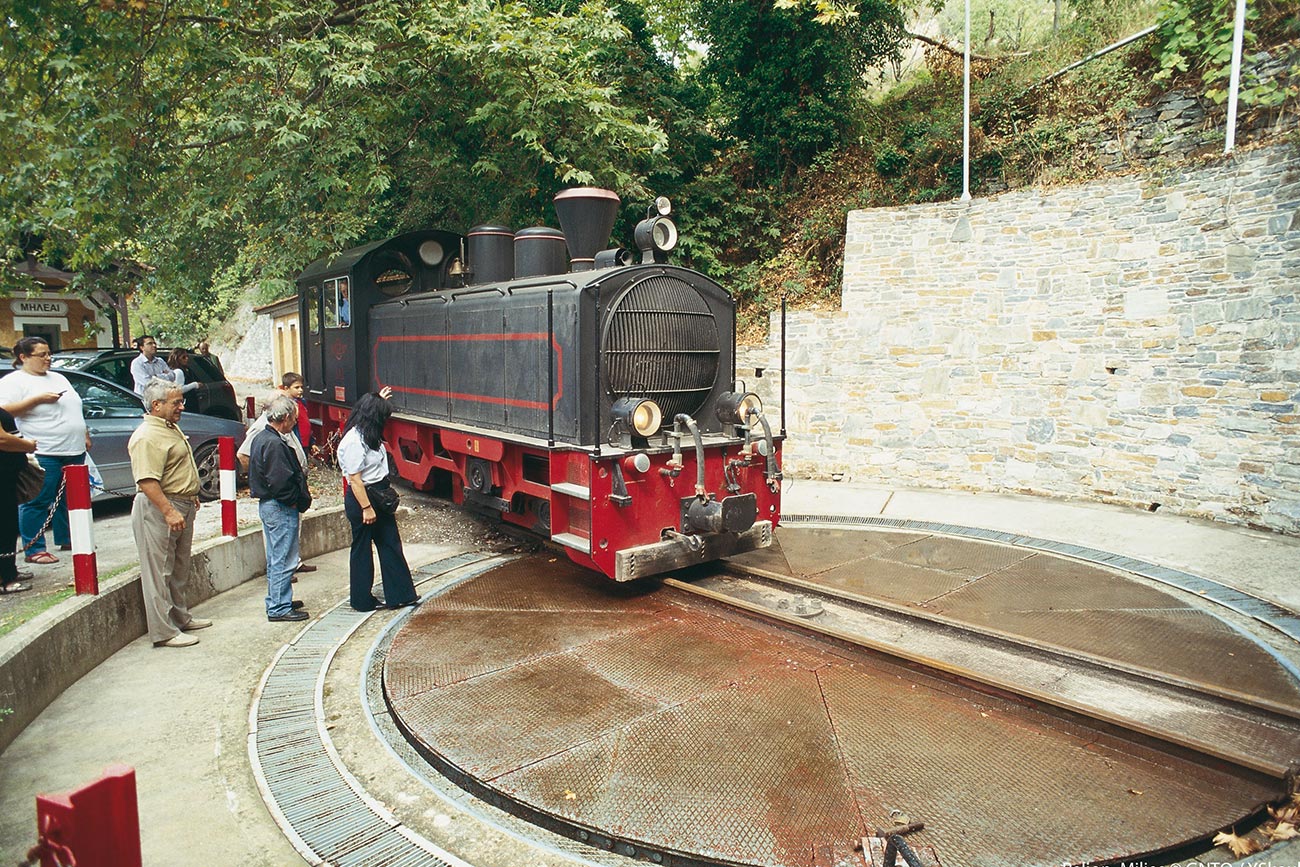
The Pelion railway runs from Ano Lechonia to Milies, fifteen kilometres in about ninety minutes. Locally it is sometimes called the Moutzouris, the sooty one, from the smoke of the coal engine it once had.
It was built between 1894 and 1903, and the engineer who designed it was Evaristo de Chirico, an Italian working in Volos. His son Giorgio de Chirico, born in the city, became one of the most influential painters of the twentieth century — and small smoking trains, station arches and Centaurs run all through his work.
The line is sixty centimetres wide, among the narrowest in the world, and it climbs through ravines, over stone arched bridges and through tunnels. The engine is diesel now.
Why the villages are so grand
Pelion's villages were prosperous under Ottoman rule. They had trading privileges, they sent people abroad who sent money home, and the result is a scale of building you would not expect on a mountain.
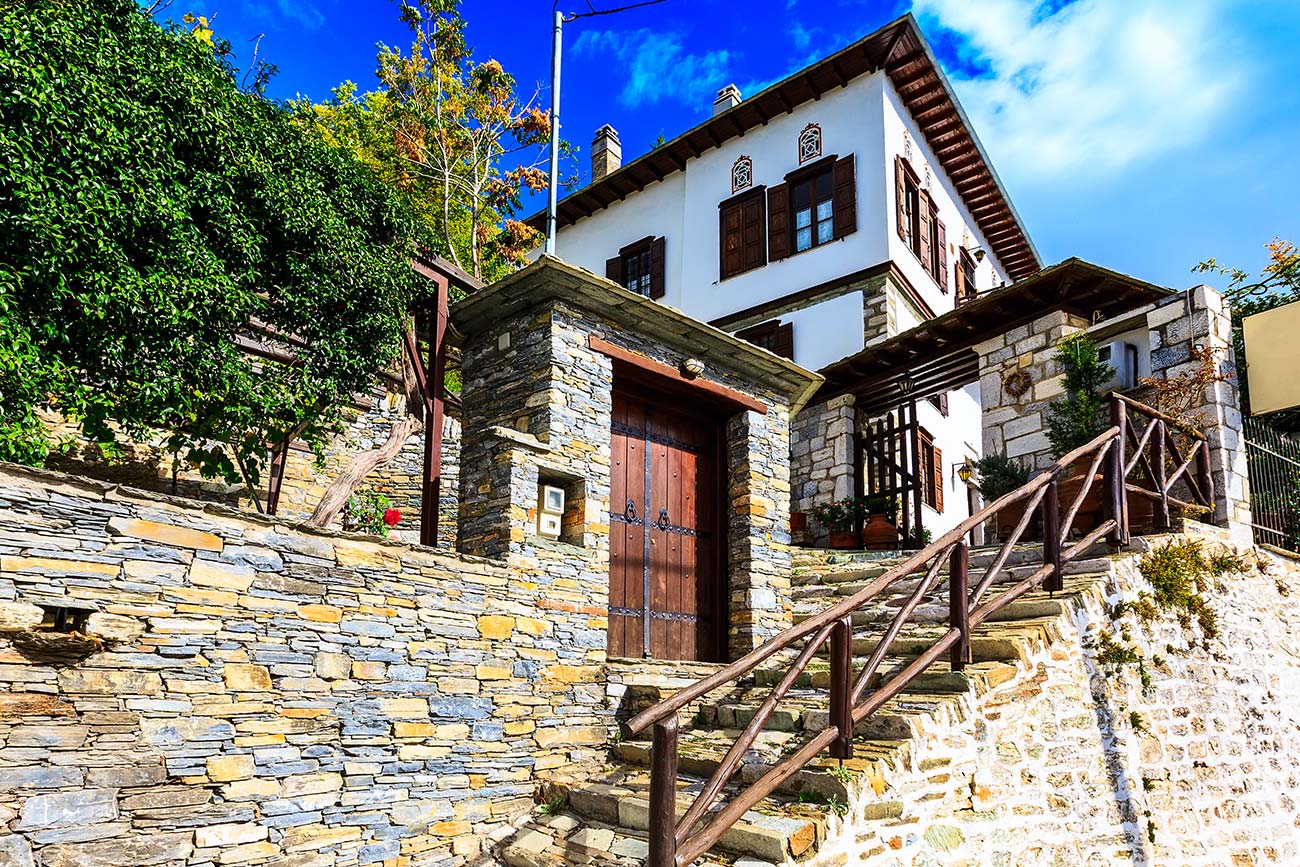
Vizitsa and Makrinitsa keep the best of it: three-storey stone houses with a projecting upper floor, slate roofs, and painted ceilings and walls inside.
Milies has a library founded in 1814, with books that were unusual to own anywhere in the Ottoman Balkans at the time.
The Museum of Folk Art and History of Pelion is in Makrinitsa.
Villages & Inland
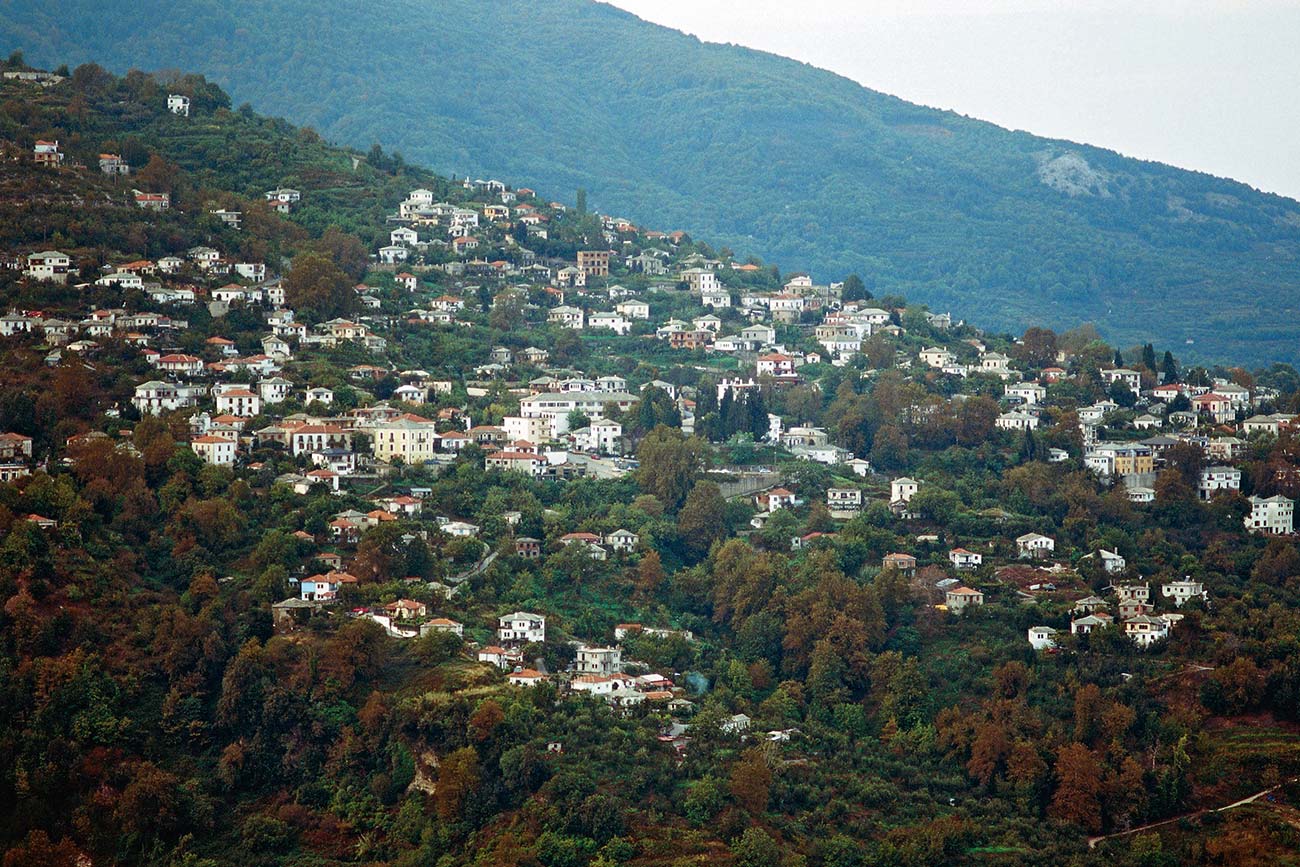
There are twenty-four villages and they divide by slope.
Above Volos, Makrinitsa hangs on the hillside with a view straight down over the gulf — it is called the balcony of Pelion, and it is the busiest. Portaria is beside it, larger and greener.
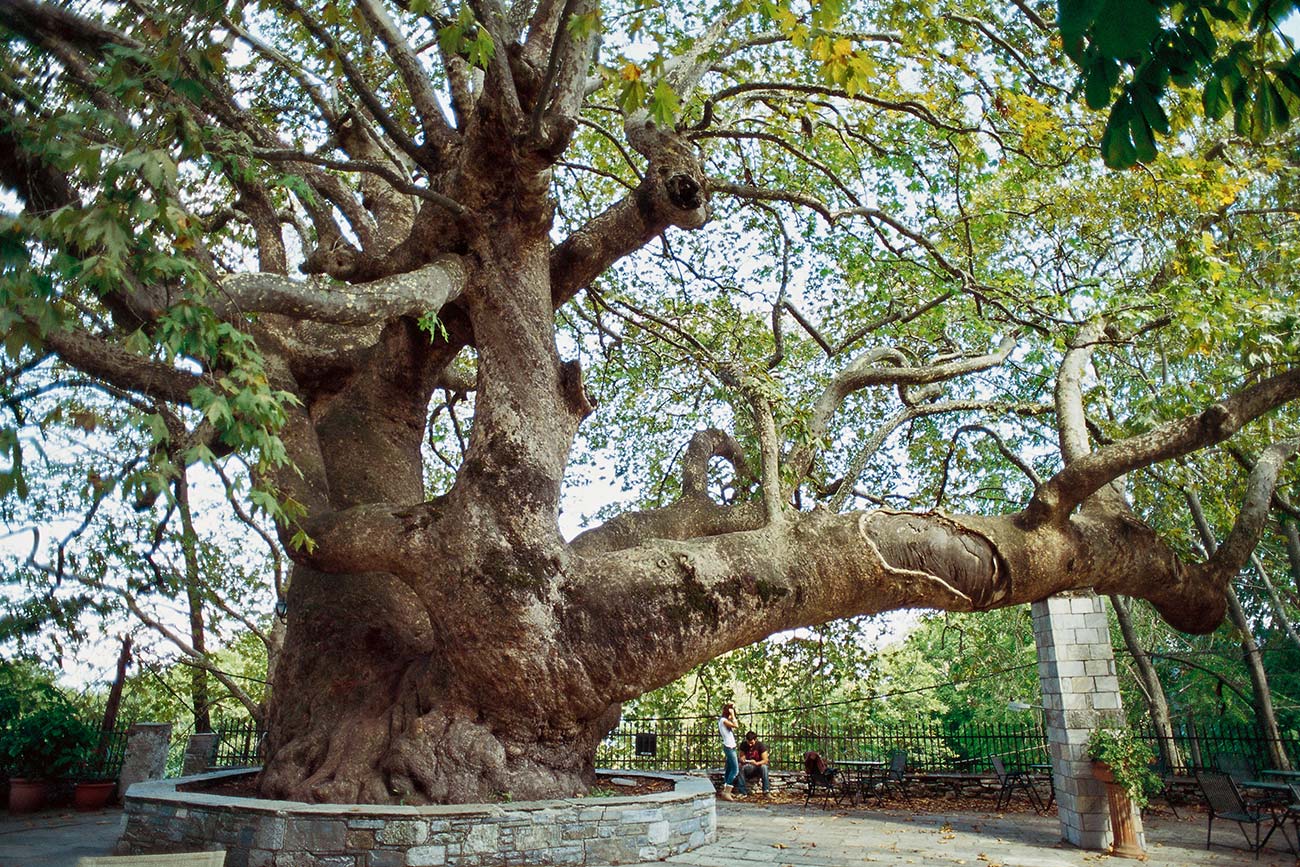
On the eastern side, facing the Aegean, Tsagarada is spread across four separate quarters, each with its own square, and in one of them stands a plane tree said to be a thousand years old. Zagora is the largest village on the mountain and the centre of the apple growing.
Milies and Vizitsa sit on the western slopes above the gulf, and Vizitsa in particular is a preserved settlement of mansions with almost nothing modern in it.
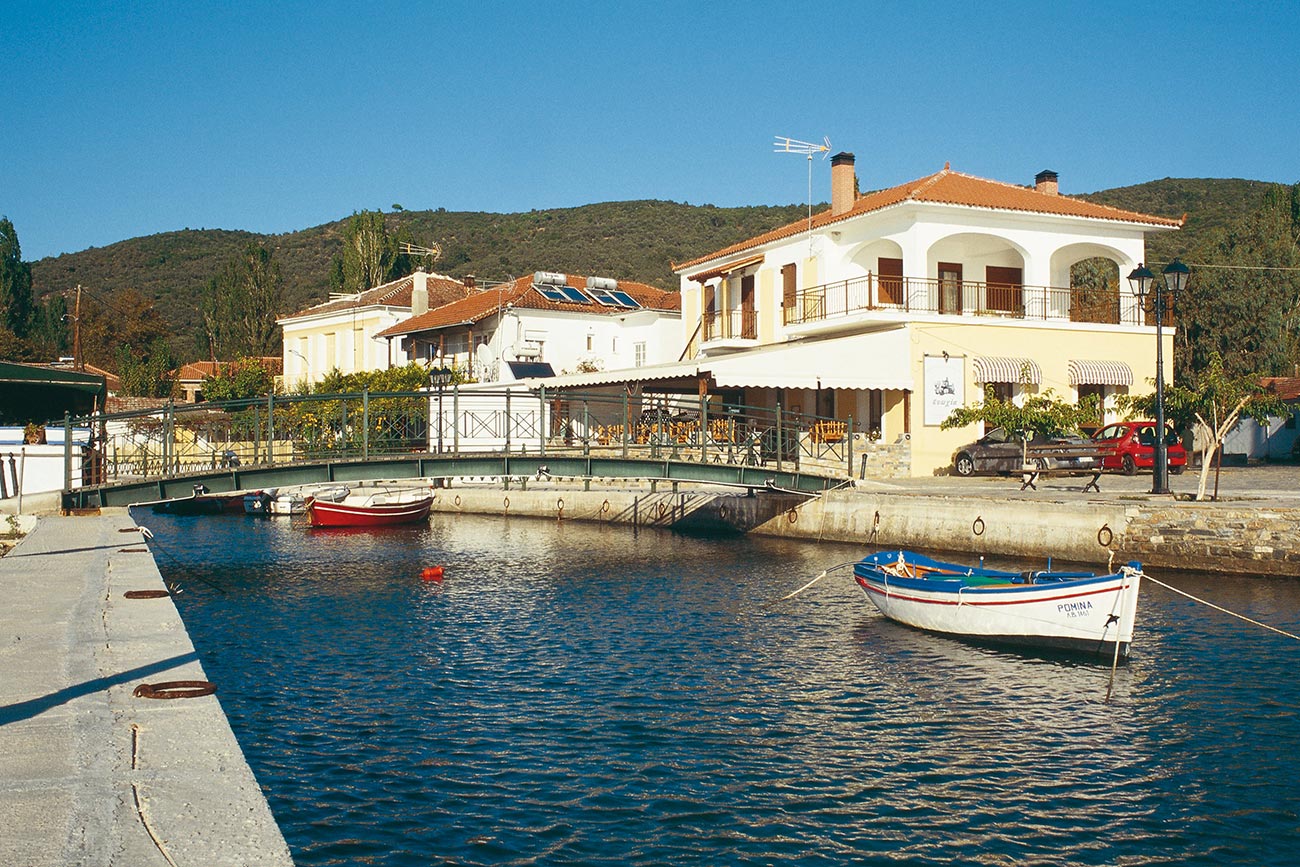
Agios Lavrentios, Chania and Kissos are higher and quieter, and Afissos, Horto and Lefokastro are the villages down on the gulf.
Nature & Outdoors
The paths
Because the villages needed to reach each other before there were roads, Pelion has a dense network of kalderimia — cobbled mule paths, many of them centuries old, with stone bridges and fountains along the way.
They are the best thing about walking here. Routes connect village to village, and most can be done in two or three hours. The Centaur's Path from Portaria and the paths around Tsagarada down to the sea are the ones people do first.
Water
Springs come out of the mountain everywhere, which is why it is green when the plain below is burnt.
The Waterfall Path starts at the car park of the ski centre, below the peaks of Agriolefkes and Agrionidi, and follows dozens of springs and small falls down into the Feloukas gorge, which comes out at the Aegean near Fakistra.
Snow
The Agriolefkes ski centre has been running since 1967. It sits at 1,471 metres, two kilometres from the village of Chania and twenty-seven from Volos, and it has four downhill runs approved by the international ski federation, a beginners' run and a five-kilometre cross-country track.
It is the only ski centre in Greece from which you look down at the sea.
Beaches
Pelion has two coasts and they are completely different.
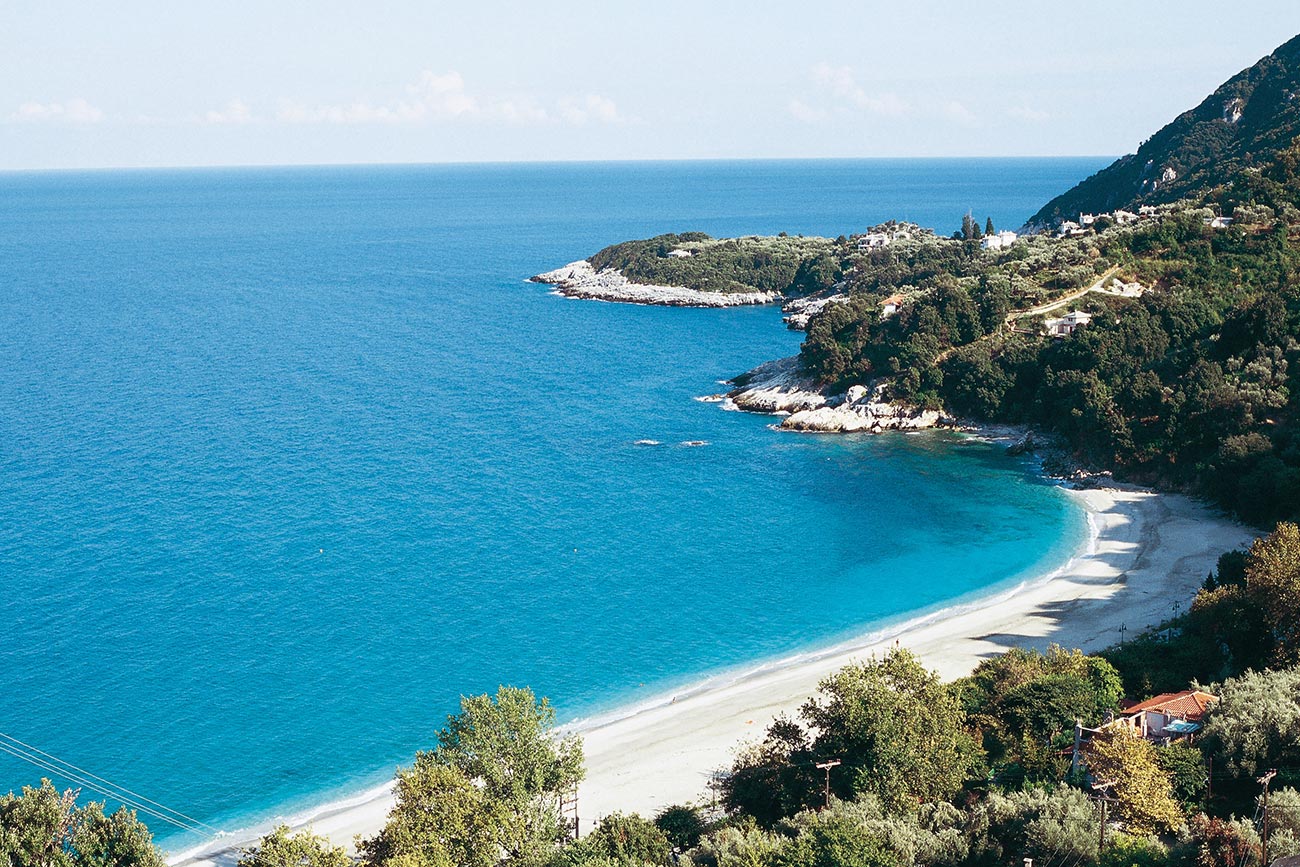
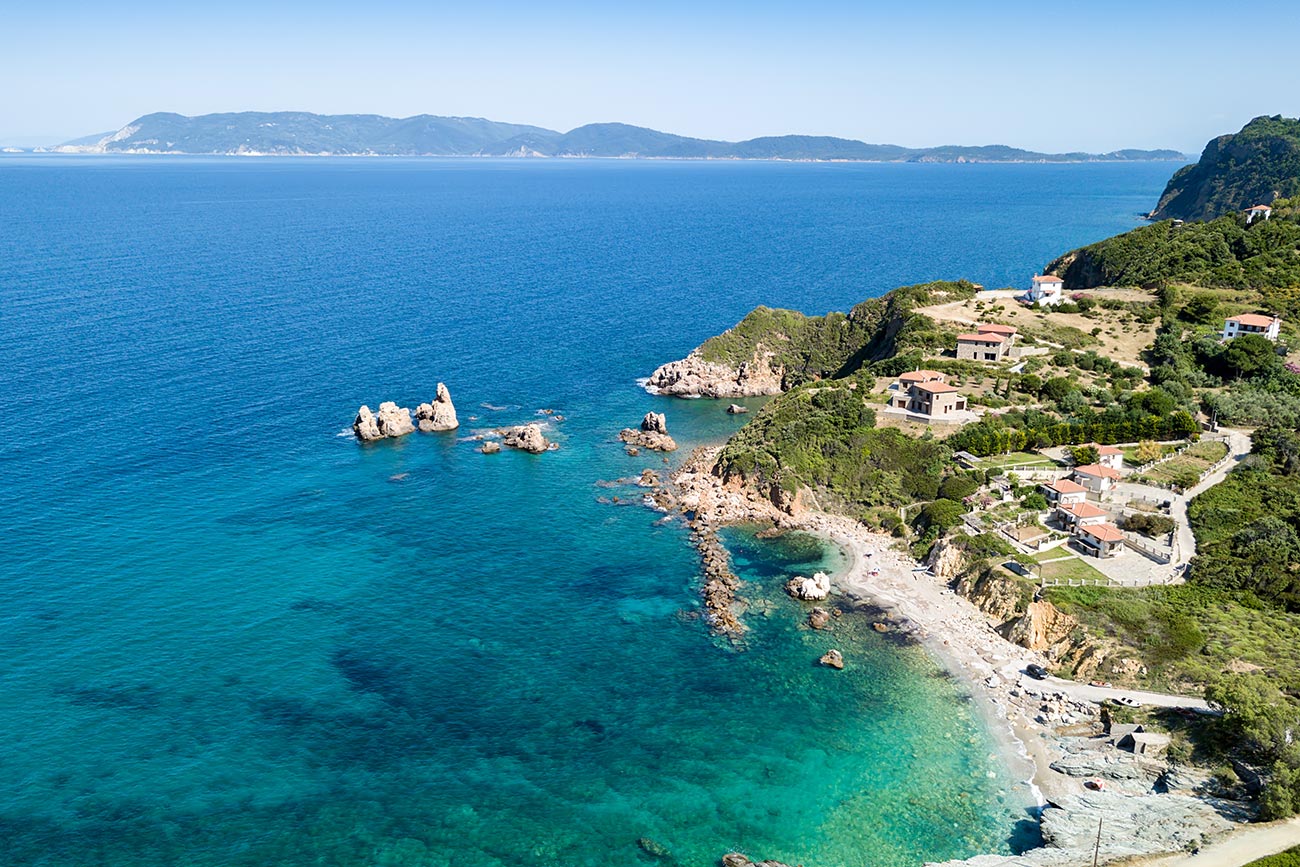
The Aegean side is open, dramatic and mostly reached by steep roads down from the villages. Mylopotamos is white pebble between rock formations. Fakistra is reached on foot and is the wild one. Damouchari is a tiny natural harbour with a pebble beach, used as a location in Mamma Mia!. Papa Nero, Agios Ioannis and Horefto are longer and sandy, with facilities. Potistika has golden sand and large rocks.
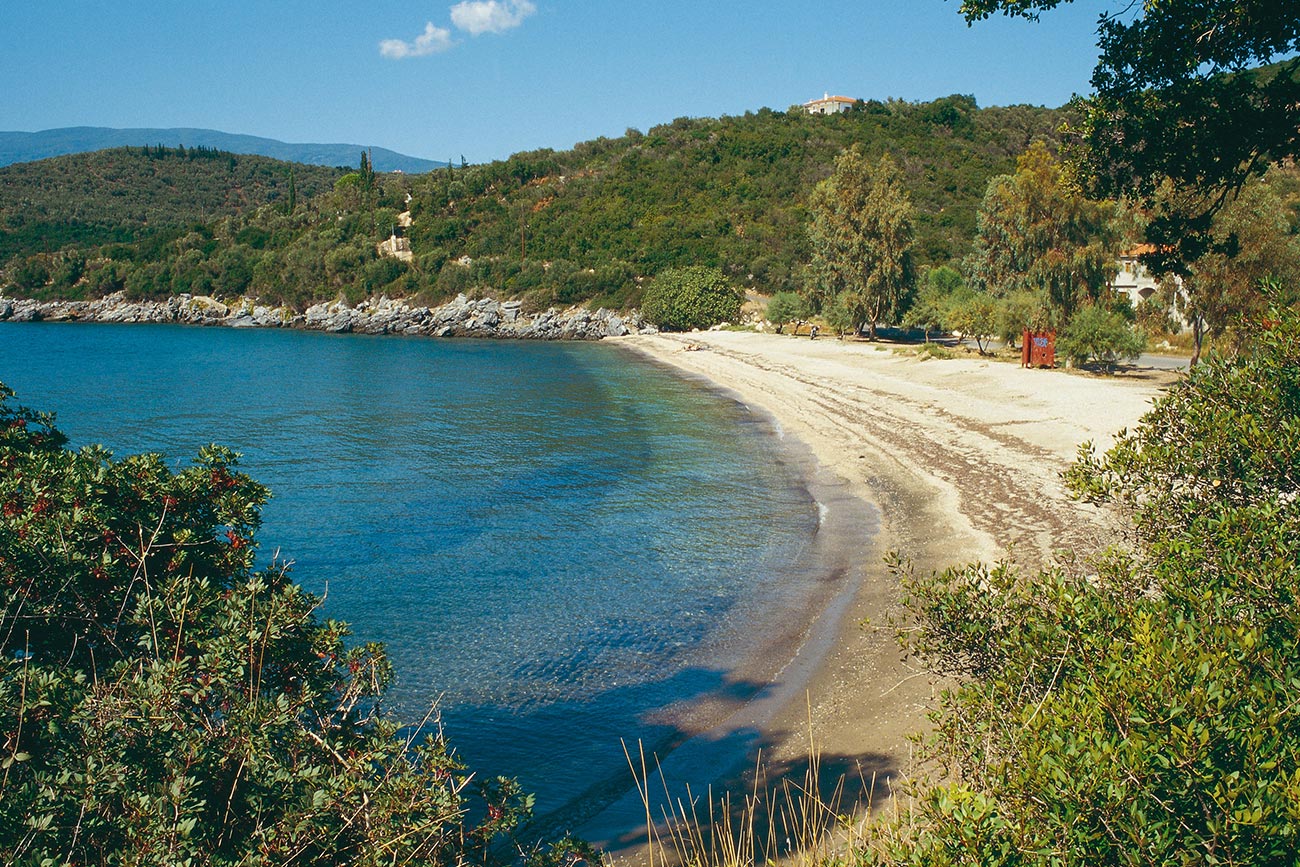
The Pagasetic side is calm, shallow and warm. Afissos, Kala Nera, Horto and Milina are family beaches with the villages behind them, and the water is flat almost all summer.
Food & Drink
The mountain grows things. Zagora apples are the best-known product and are sold across Greece. Pears, chestnuts, walnuts and olives come from the same slopes, along with herbs and honey.
Spetsofai is the dish of Pelion — village sausage cooked with peppers and tomato — and boubari, stuffed intestines, is the other. Tyrenia and local cheeses come from the mountain flocks.
The coastal villages cook fish and octopus, and the drink is tsipouro, served with small plates in the manner of Volos.
Where to Stay
Prices shown per night for a sample 3-night stay. Rates and availability vary by season — select your dates for live pricing.
Practical information
Getting there
Pelion is reached through Volos, about 330 km from Athens and 210 km from Thessaloniki, both by motorway. Volos has a railway station. Nea Anchialos airport is 25 km southwest.
From Volos, Makrinitsa is fifteen minutes, Tsagarada about an hour, and the southern villages an hour and a half.
Getting around
A car is necessary. The roads are narrow, steep and constantly winding, and crossing from one side of the mountain to the other takes far longer than the distance suggests.
The Moutzouris runs between Ano Lechonia and Milies, but it is an excursion rather than transport — check current days and times before planning around it.
Village centres are usually closed to cars, and parking is at the edge.
When to go
Pelion works in every season, which is unusual.
Spring and autumn are the best for the paths and the villages — the beech turns in late October. Summer is for the beaches, and the mountain stays cool when the plain does not. Winter brings snow, the ski centre and the villages at their most atmospheric.
Good to know
The kalderimia are stone and often slippery, particularly after rain, and they are steep. Proper shoes matter.
Driving between the two coasts means going up and over. Plan around it rather than assuming a short hop.
Village accommodation is mostly in restored mansions with few rooms. Book ahead, especially for weekends and holidays, in both summer and winter.
Some Aegean-side beaches are reached down long, narrow roads with no turning space. Check before committing.
Exploring the Pelion Peninsula— been there?Tell others what you saw.
A photo and two lines are enough.
