Exploring the Serres Area
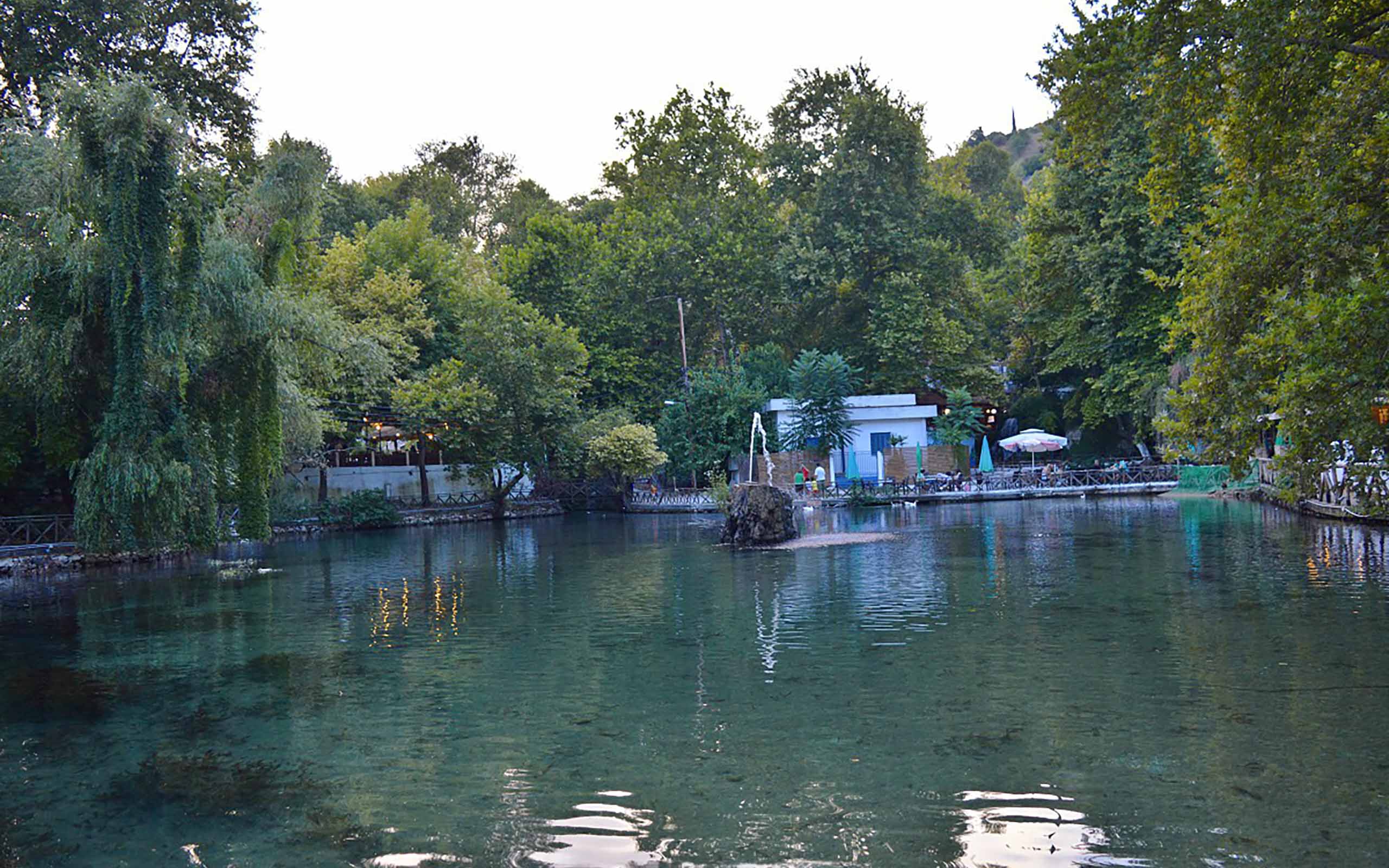

Serres fills the northeastern corner of Macedonia, between the Bulgarian border and the sea — a wide fertile plain with the Strymon running through it and mountains on three sides.
It is one of the least visited parts of Greece by foreign travellers, and it holds a great deal.
Lake Kerkini, in the north, is one of the ten wetlands of international importance in the country and the best place in Greece to see pelicans and water buffalo together. Alistrati, in the east, is among the largest show caves in the country. At Amphipolis, on the Strymon, archaeologists uncovered the largest burial mound in Greece.
The city of Serres itself is a working regional capital with a Byzantine acropolis above it and an Ottoman covered market at its centre.
History & Culture
Amphipolis
Amphipolis stood on the Strymon where it meets the sea, and its position made it valuable: it controlled the timber, the gold and the route east. Athens founded it in 437 BC and lost it to Sparta; Philip II of Macedon took it in 357 BC, and it became one of the most important cities of his kingdom.
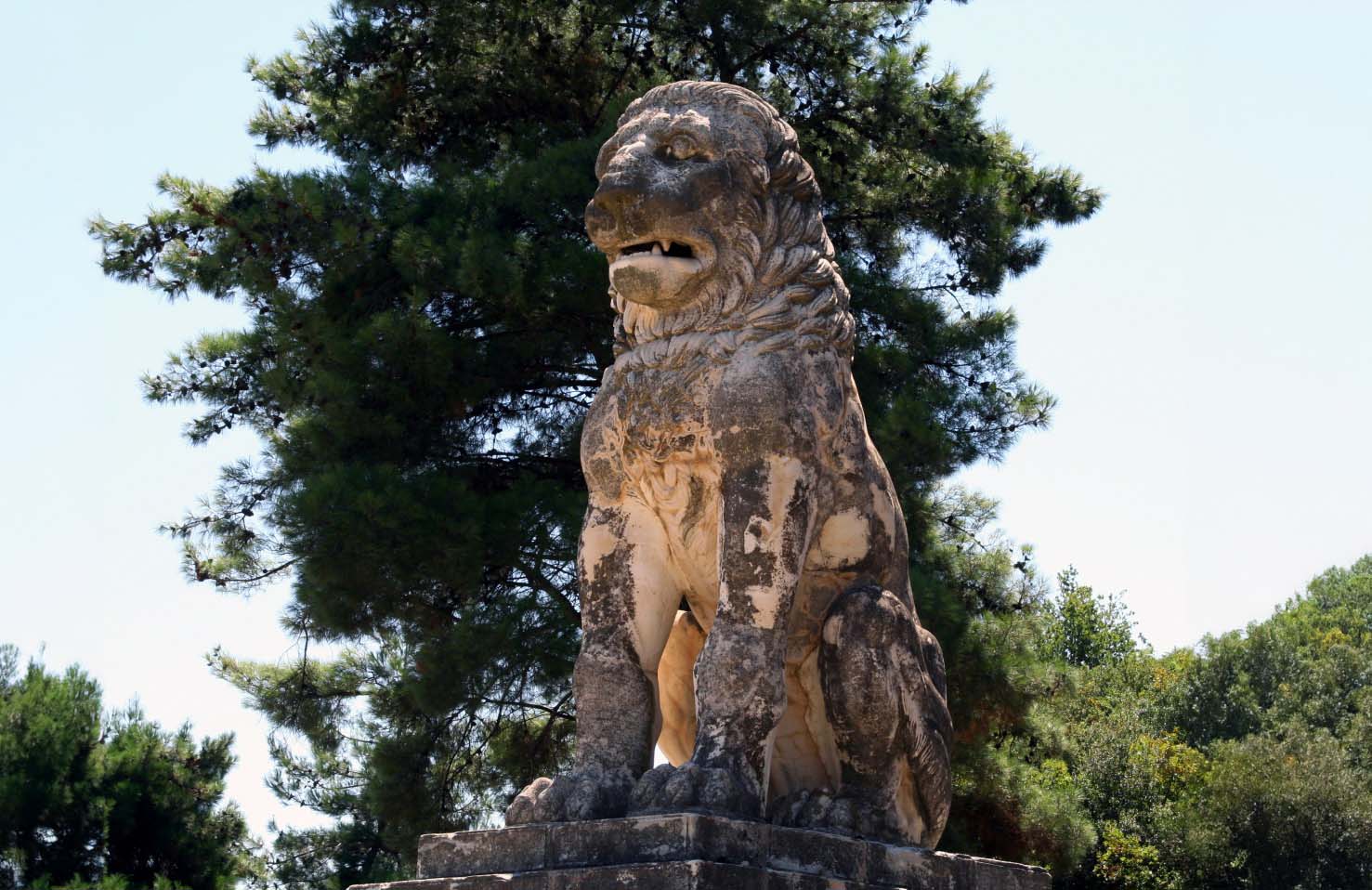
The Lion of Amphipolis, a colossal marble lion reassembled from fragments in the twentieth century, stands beside the road and is the monument everybody stops for.
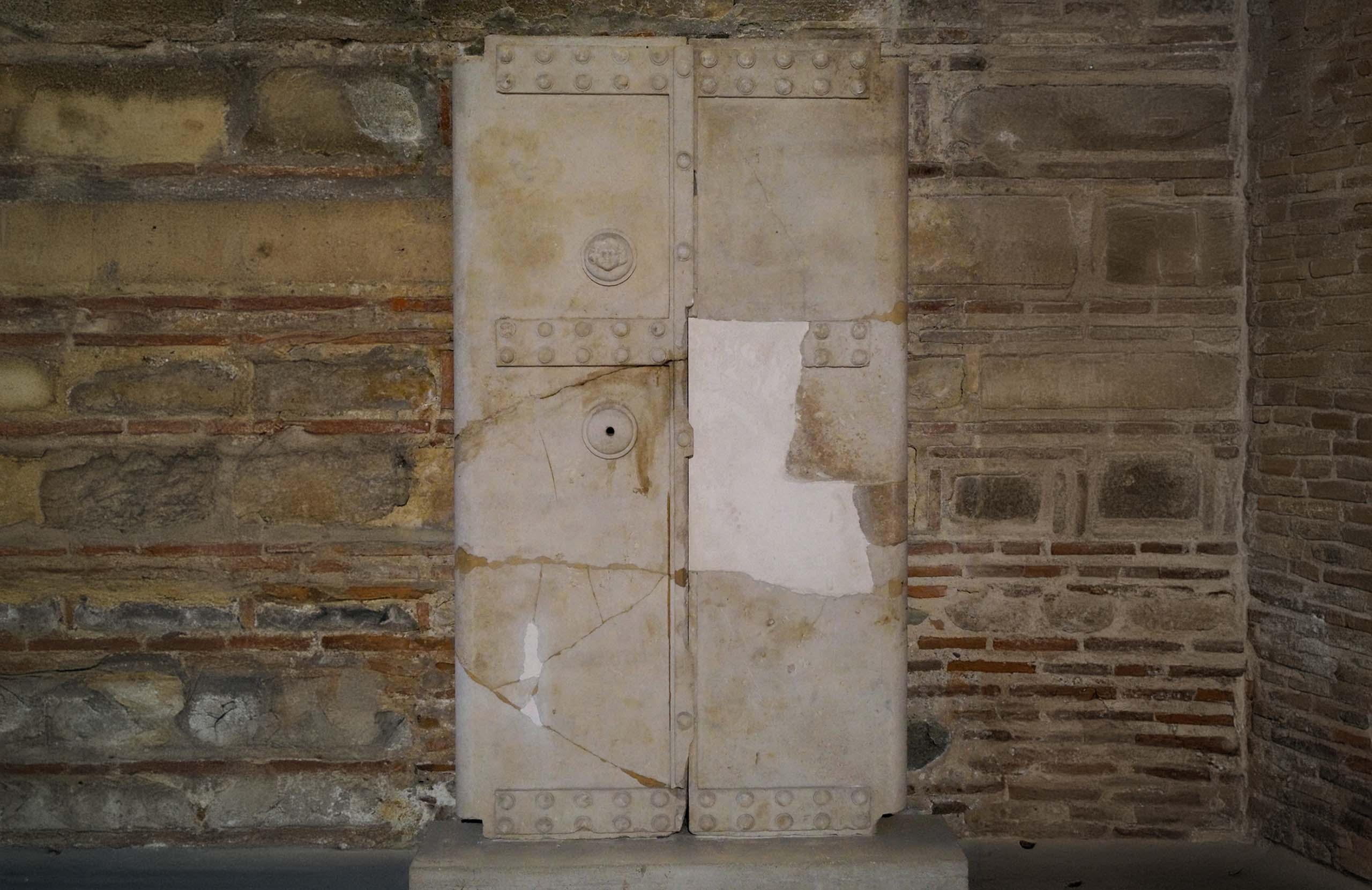
In 2012 excavation began on the Kasta mound, and what came out of it made news across the world: the largest burial monument found in Greece, with a marble enclosure wall nearly half a kilometre round, two sphinxes at the entrance, two caryatids inside, and a mosaic floor showing the abduction of Persephone.
The tomb is not yet open to the public. Restoration is well advanced — the caryatids and the marble walls are complete and the enclosure is fully exposed — and the monument is expected to open in early 2028. Check before travelling.
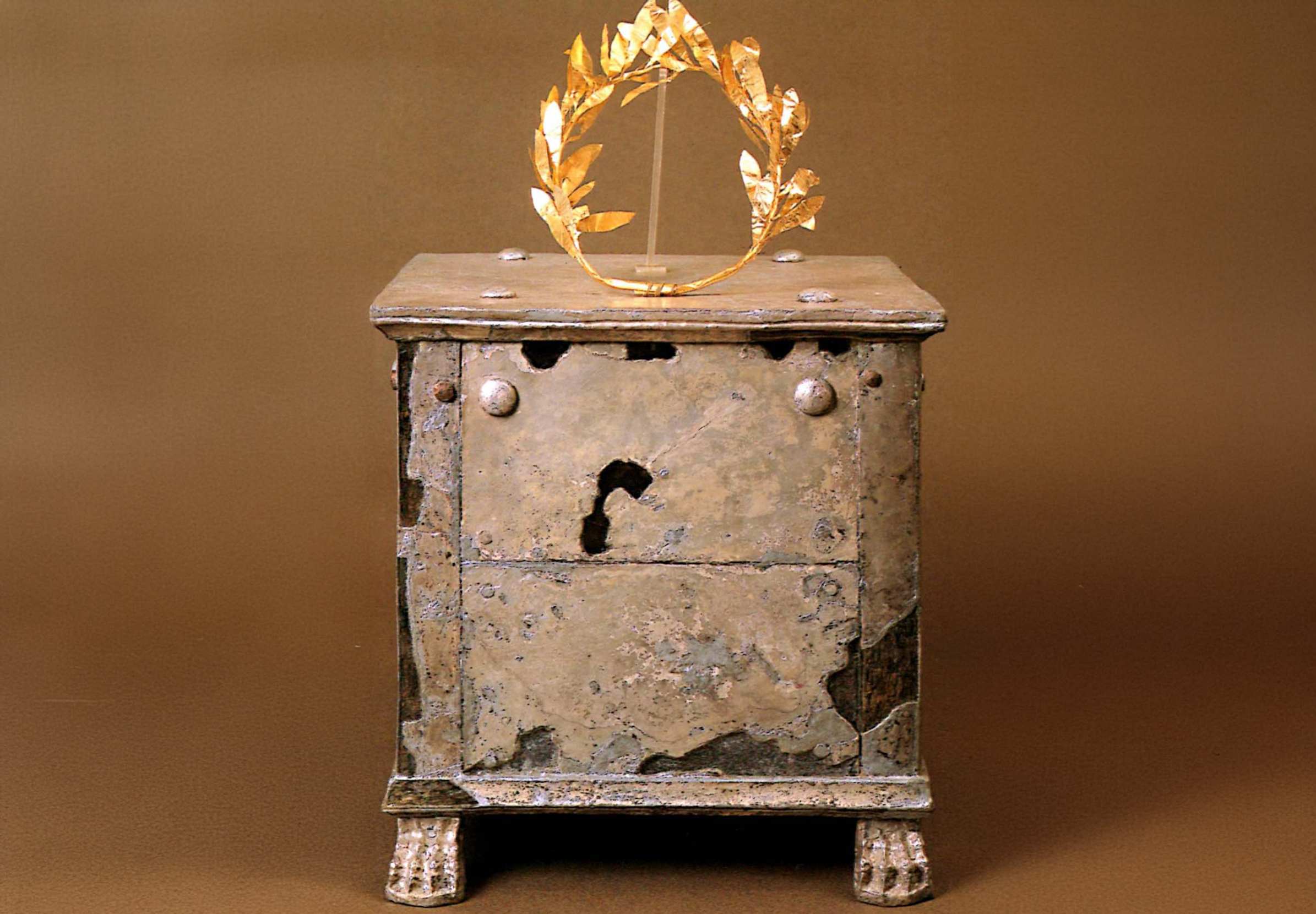
The Archaeological Museum of Amphipolis displays the finds from the wider site, including the silver ossuary and gold wreath attributed to the Spartan general Brasidas.
The city
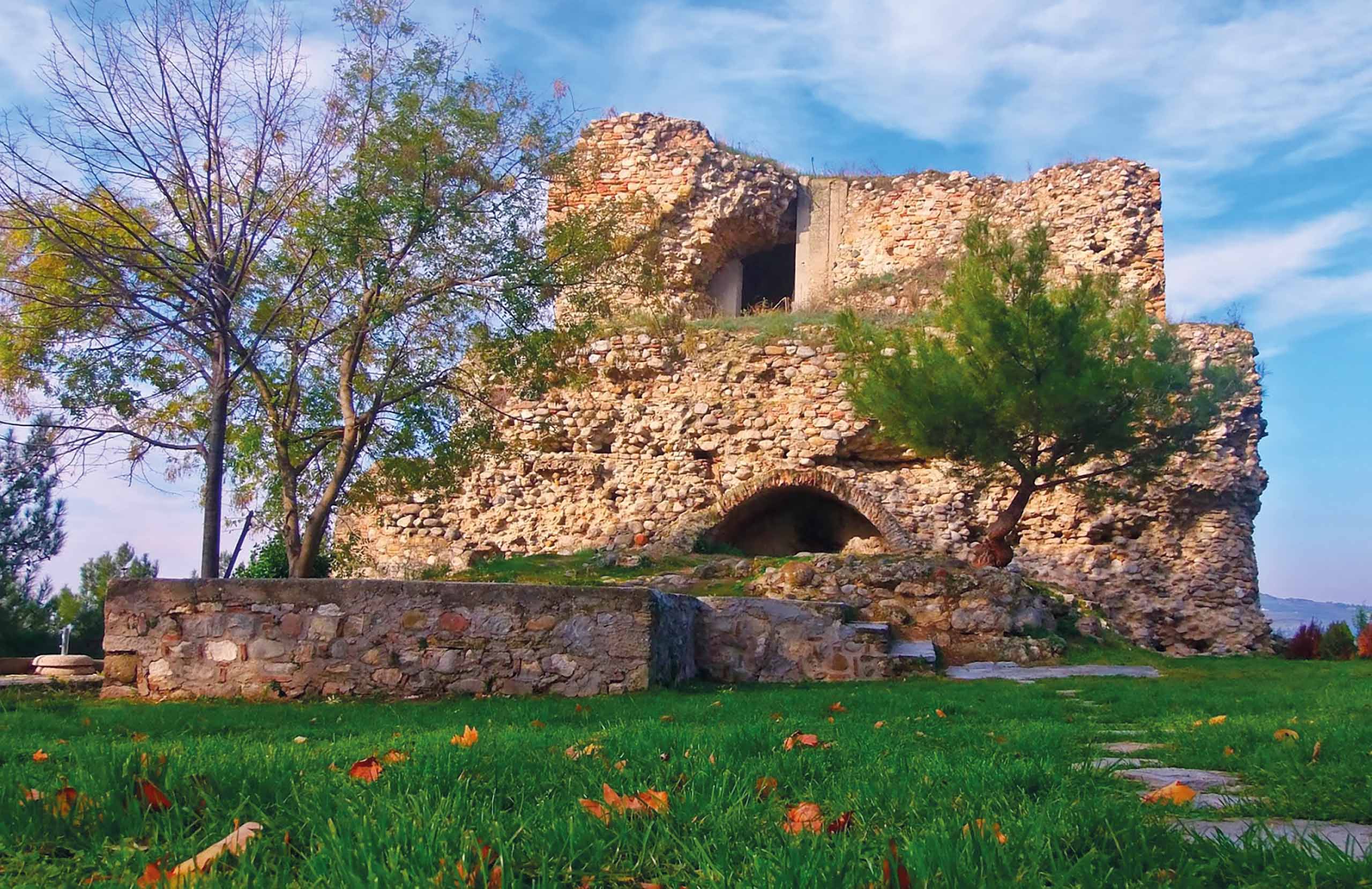
Above Serres stands Koulas, the Byzantine acropolis, built on the site of a much older fortress. Its main surviving structure is the Tower of Orestes, and the hill gives the best view over the plain.
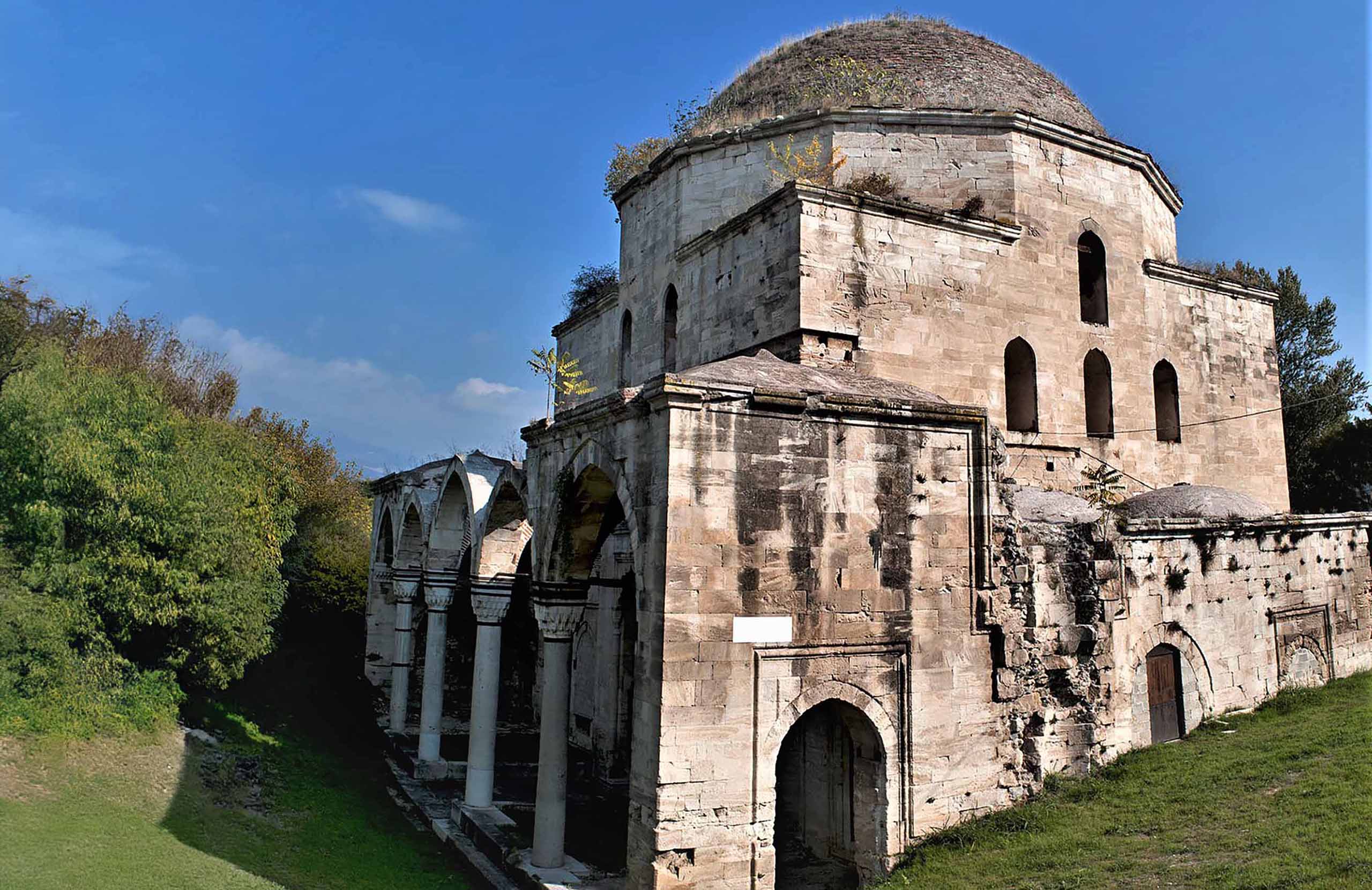
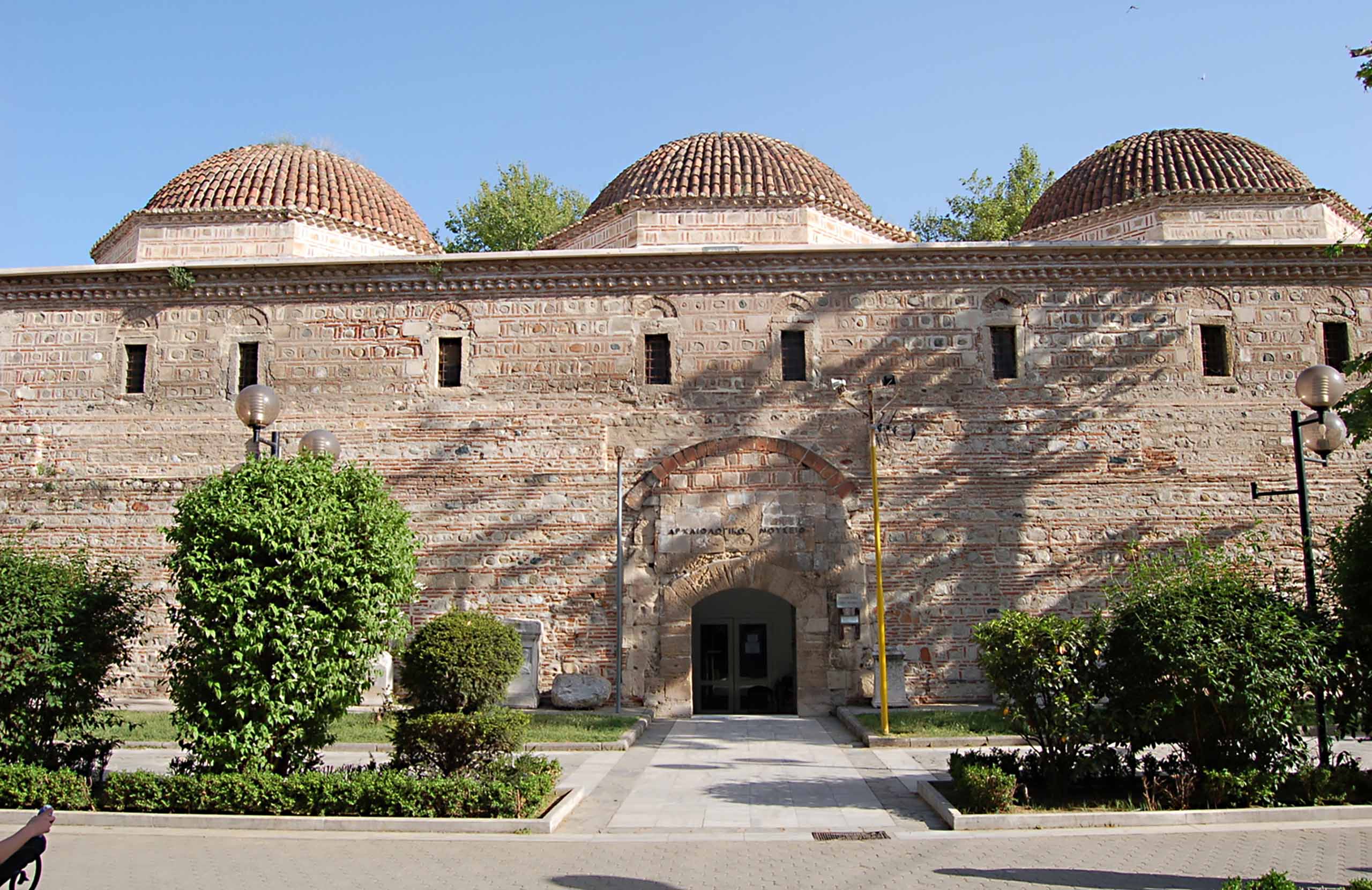
In the centre, the Bezesten is an Ottoman covered market of stone with lead domes, now the Archaeological Museum of Serres. Nearby, the Ahmet Pasha Mosque survives from the same period.
North of the city, the Monastery of Timios Prodromos — Saint John the Baptist — is set in a wooded ravine and is one of the more important Byzantine foundations in northern Greece.
The Sarakatsani Folklore Museum preserves the culture of the nomadic shepherds who moved through these mountains.
Nature & Outdoors
Lake Kerkini
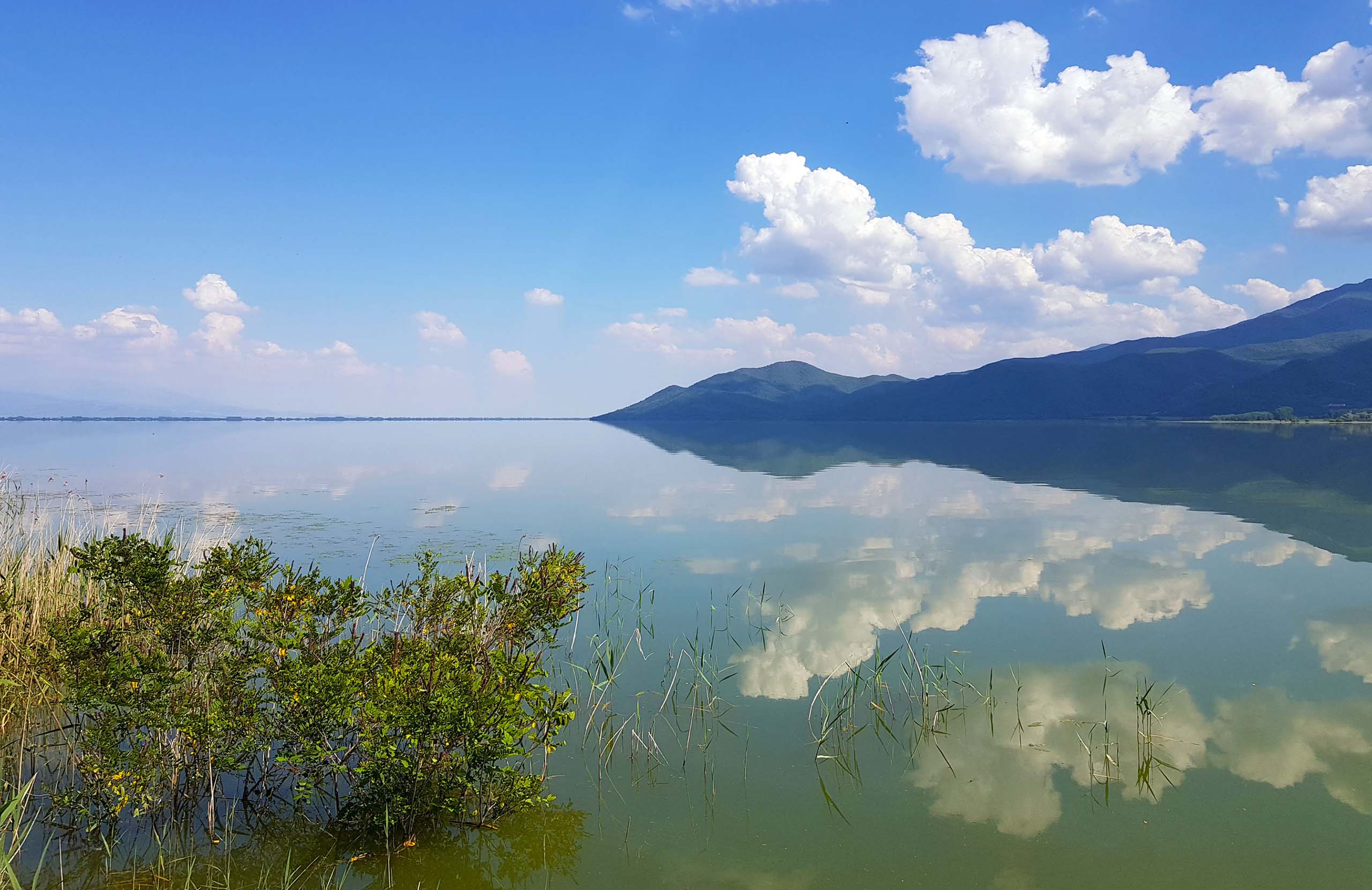
Kerkini is artificial. The first embankments went up in 1932 to hold the waters of the Strymon for irrigation, and the lake that resulted turned out to be one of the richest wetlands in Europe.
It was declared a Ramsar site of international importance in 1975 — one of only ten in Greece — and is now a national park covering around eleven thousand hectares.
Roughly three hundred bird species live or breed here, including Dalmatian pelicans, and the lake holds the largest population of water buffalo in Greece, estimated at over four thousand. In summer the surface fills with water lilies.
You can go out on it by boat — including the traditional flat-bottomed plaves — or walk and cycle the embankments. It is a year-round destination: the birds change with the season and never stop.
Alistrati Cave
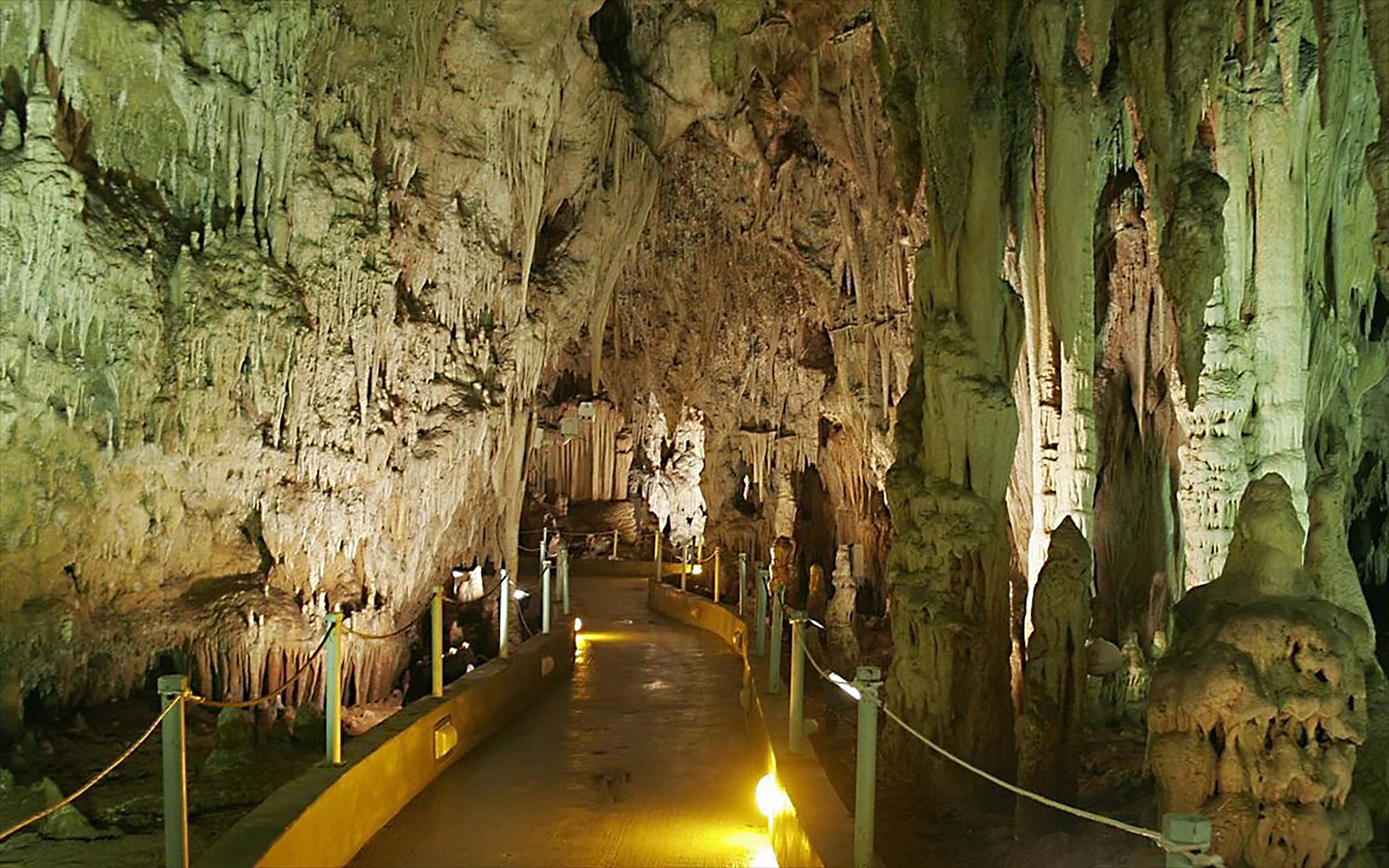
Fifty kilometres east of the city, the Alistrati Cave is one of the largest and most impressive show caves in Greece. Around 25,000 square metres have been explored, with very high chambers, oversized stalactites, and an unusual concentration of the twisted formations known as eccentrics.
The Angitis gorge
The Angitis river cuts a narrow gorge some fifteen kilometres long through hard rock. Rock paintings of the fifth and sixth centuries AD survive on its walls, and there are caves and natural arches along its course. A small train runs part of the route.
Lailia
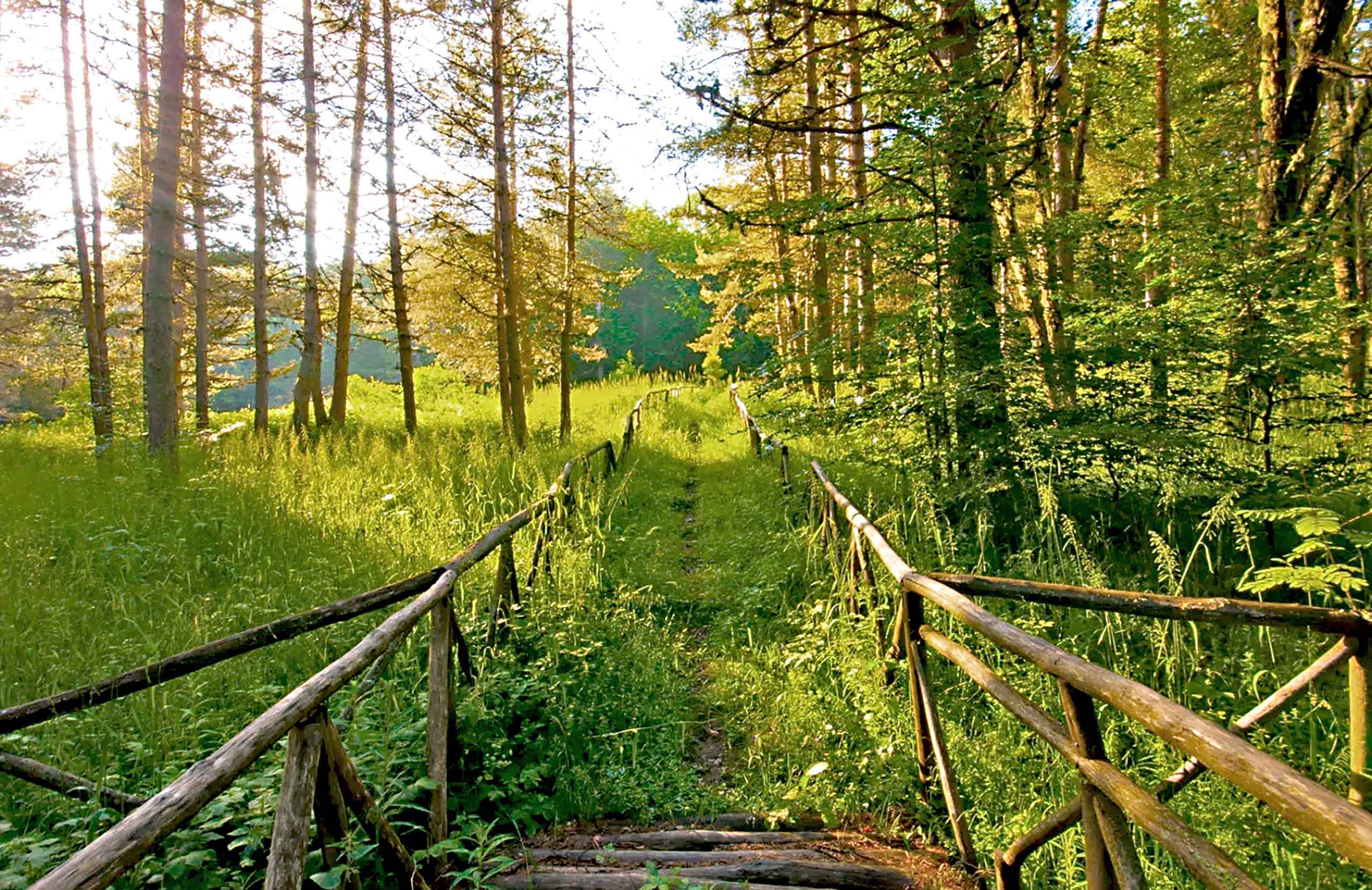
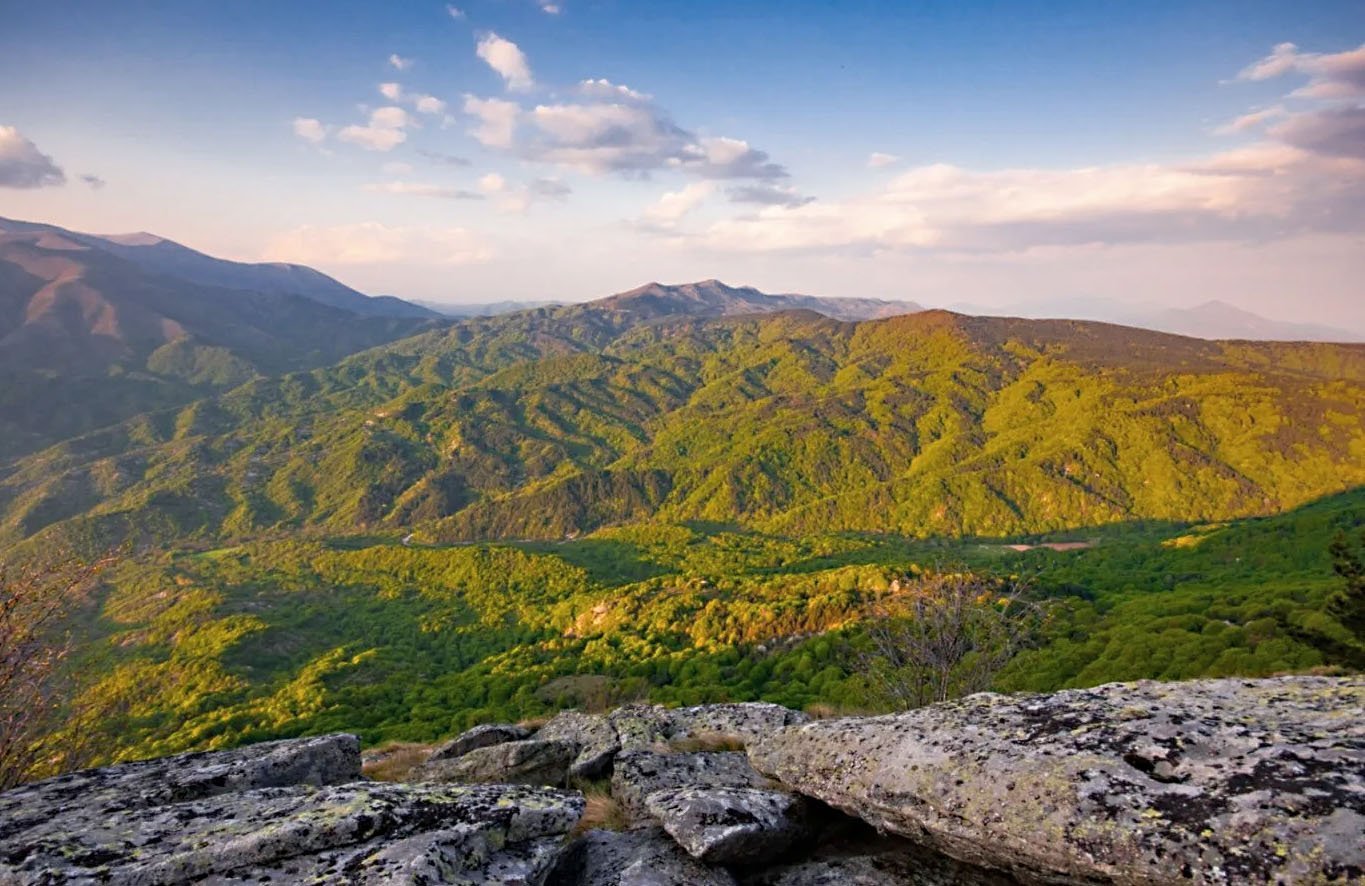
Twenty-five kilometres from the city, in the Vrontous range, Lailia is a dense forest of beech and fir covering about thirty-three square kilometres and rising to around 1,850 metres.
It holds 515 plant species, roe deer, wild boar and brown bear, and 63 recorded bird species. There is a ski centre at the top, and walking and cycling routes through the woods in summer.

Wellness
Serres has two spa towns with recognised mineral springs.
Sidirokastro, seven kilometres from the town of the same name, has a modern hydrotherapy centre with a covered pool, individual baths, physiotherapy and a gym.
Nigrita, five kilometres from the town, is the second, with its own treatment centre. Its water is used for gastrointestinal conditions.
Villages & Inland
Serres itself is a lively regional capital with a large central park and a good café culture.
Sidirokastro sits below a Byzantine fortress on a rock. Nigrita is the market town of the western plain. Ano Poroia, above Kerkini, is a stone-built village on the slopes of Mount Beles and the usual base for the lake.
Agios Ioannis, on the edge of the city, is where people from Serres go to eat.
Food & Drink
Serres is dairy country. Its yoghurt is known across Greece, and so are its cheeses.
Bougatsa here is a serious local matter, and the minced-meat version is a Serres speciality that you will not find made the same way elsewhere. Kavourmas, meat slowly cooked and preserved in its own fat, comes from the same tradition as in Drama.
The plain produces the wine and the tsipouro, and the villages cook meat, pies and greens.
Where to Stay
Prices shown per night for a sample 3-night stay. Rates and availability vary by season — select your dates for live pricing.
Practical information
Getting there
Serres is about 90 km northeast of Thessaloniki, an hour by motorway, and it is on the Egnatia. Buses and trains both run from Thessaloniki. The nearest airports are Thessaloniki and Kavala.
Getting around
A car is necessary. The attractions are spread across a large regional unit: Kerkini is about 40 km north, Alistrati 50 km east, Amphipolis 60 km southeast, Lailia 25 km up the mountain.
The road to Lailia is a mountain road and can be difficult in winter.
When to go
Serres works all year, which is unusual.
Spring and autumn are best overall. Winter is when Kerkini is at its most spectacular — the pelicans gather, the mountains behind are white, and the light is exceptional. There is skiing at Lailia.
Summer is hot on the plain but comfortable in the mountains, and the lake fills with water lilies.
Good to know
Bring binoculars for Kerkini. Boat trips need booking, particularly in winter when the pelican numbers are highest.
Check the current opening arrangements for the Kasta mound at Amphipolis — the tomb itself is not yet open, though the Lion and the museum are.
Alistrati Cave has fixed tour times and a set route; check before driving out.
Serres sees very few foreign visitors, which means less English than in the coastal regions and better prices.
Exploring the Serres Area— been there?Tell others what you saw.
A photo and two lines are enough.
