
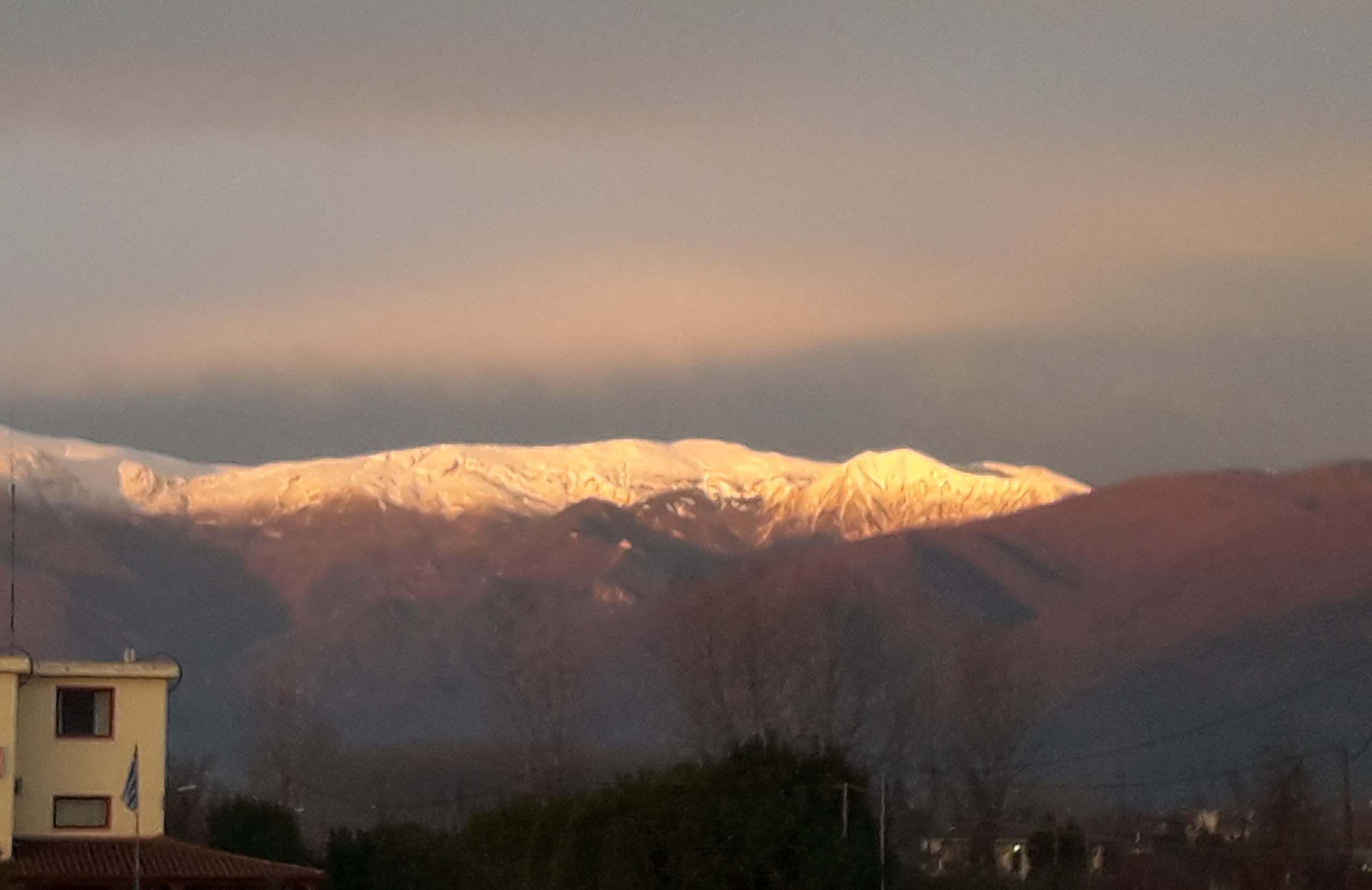
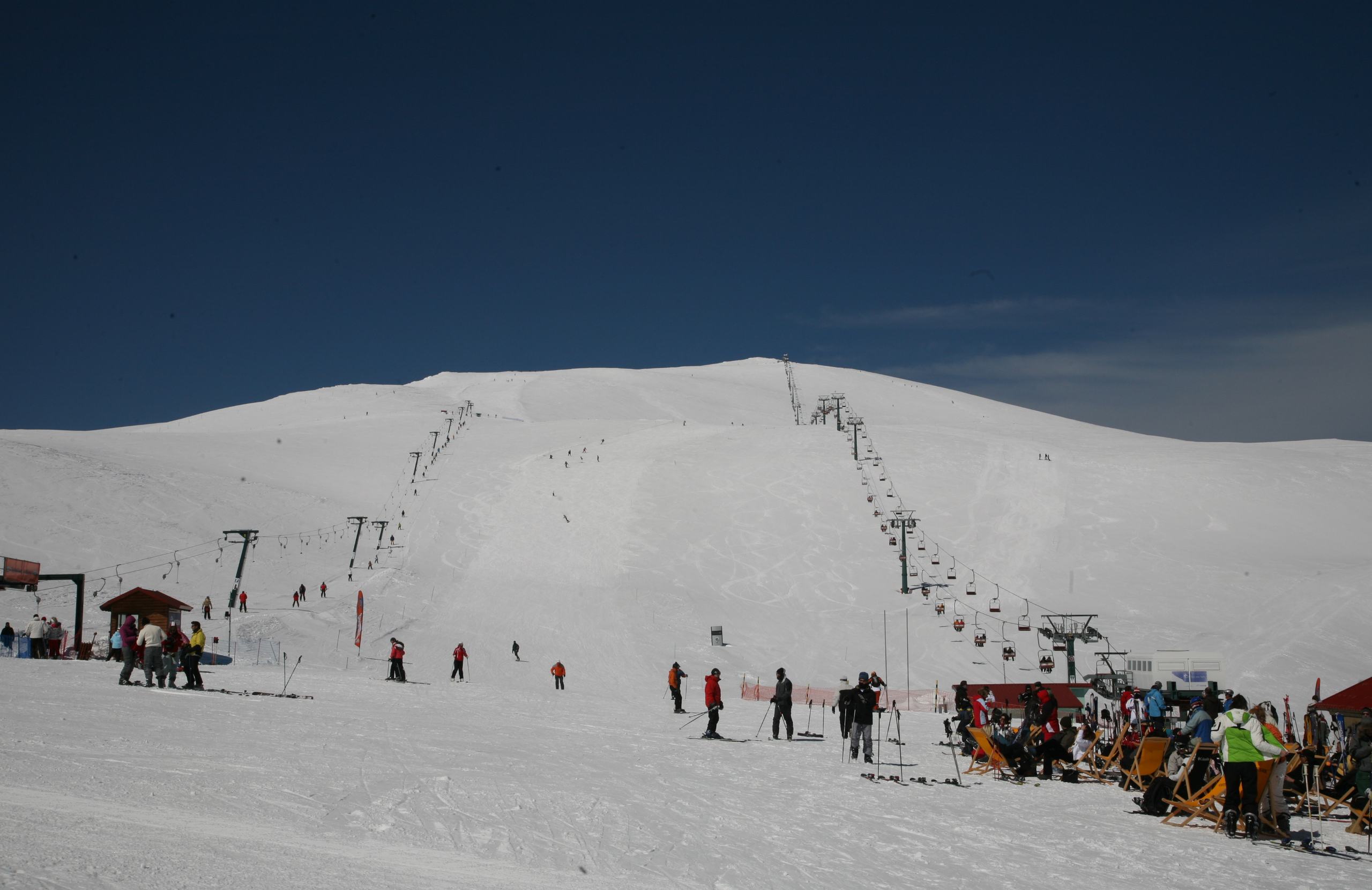
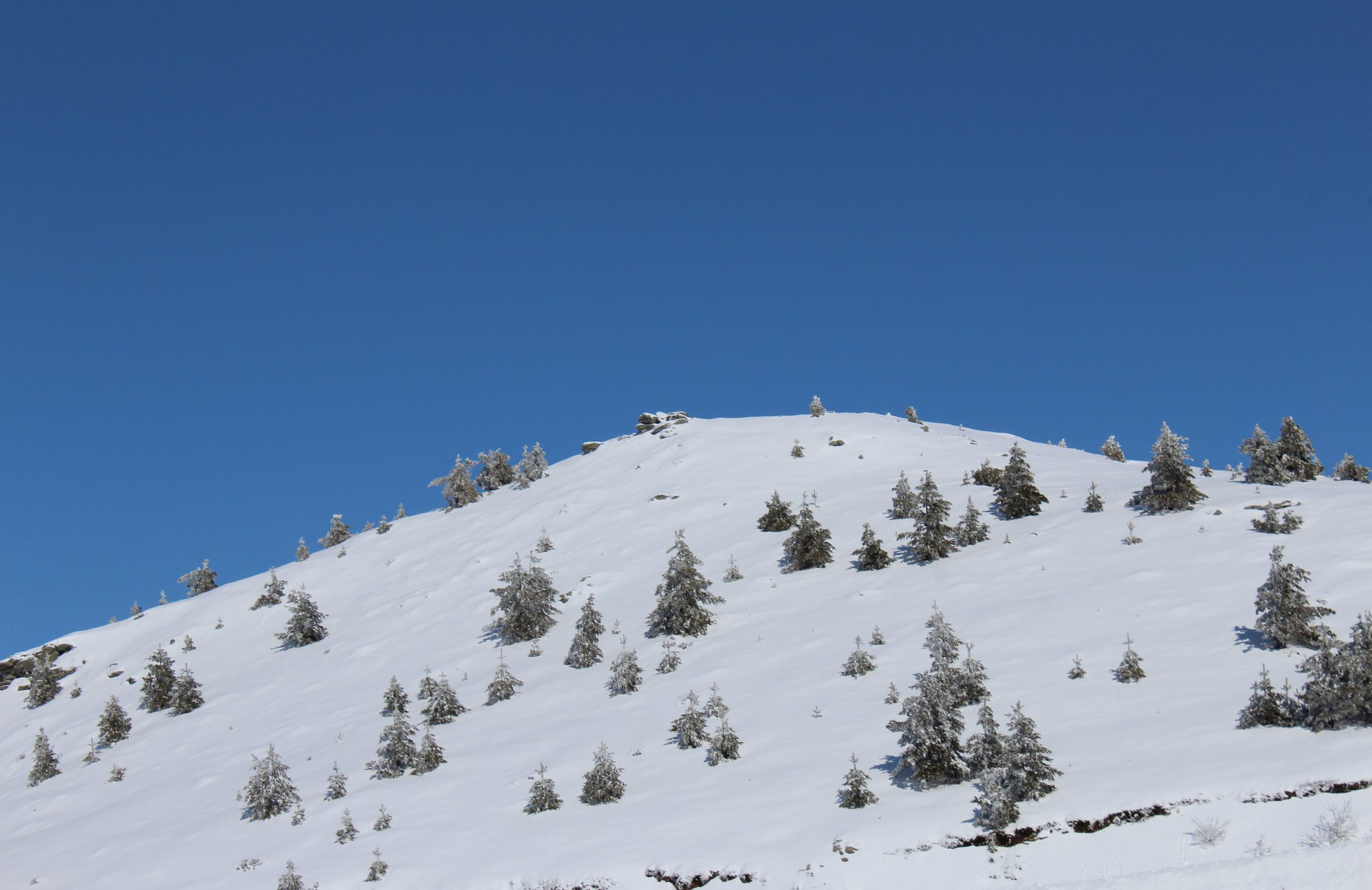

Mount Voras, also known as Kaimaktsalan, stands on the border between Greece and North Macedonia, in Macedonia. Its summit is 2,524 metres high, which makes it the third highest mountain in Greece. Most visitors come in winter for the Voras ski centre, whose runs start at about 2,050 metres. Below it is Palaios Agios Athanasios, a protected village of stone houses, many of them guesthouses. In summer a walk of about two hours leads from the ski centre to the summit, where a chapel remembers the Serbian soldiers of a battle of 1916. At the foot of the mountain, on another side, are the Pozar thermal baths, with pools of warm water in a gorge. The town of Edessa is the usual way in.
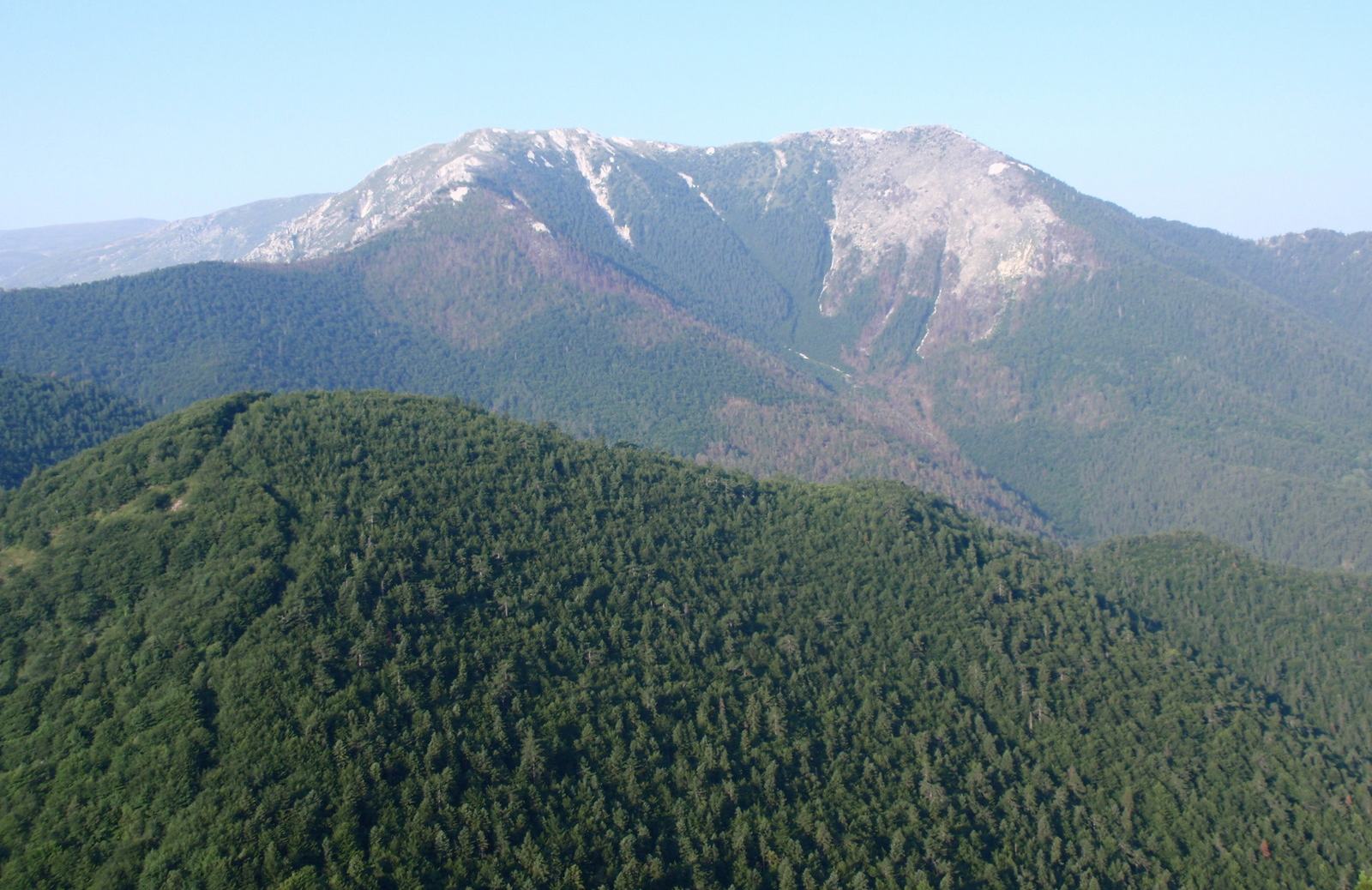
Mount Voras stands on the northern border of Greece. Its highest peak is called Kaimaktsalan, or Profitis Ilias, and it is 2,524 metres high. This makes Voras the third highest mountain in Greece, after Mount Olympus and Mount Smolikas. The main ridge is the border with North Macedonia. Most of the Greek side belongs to the regional unit of Pella.
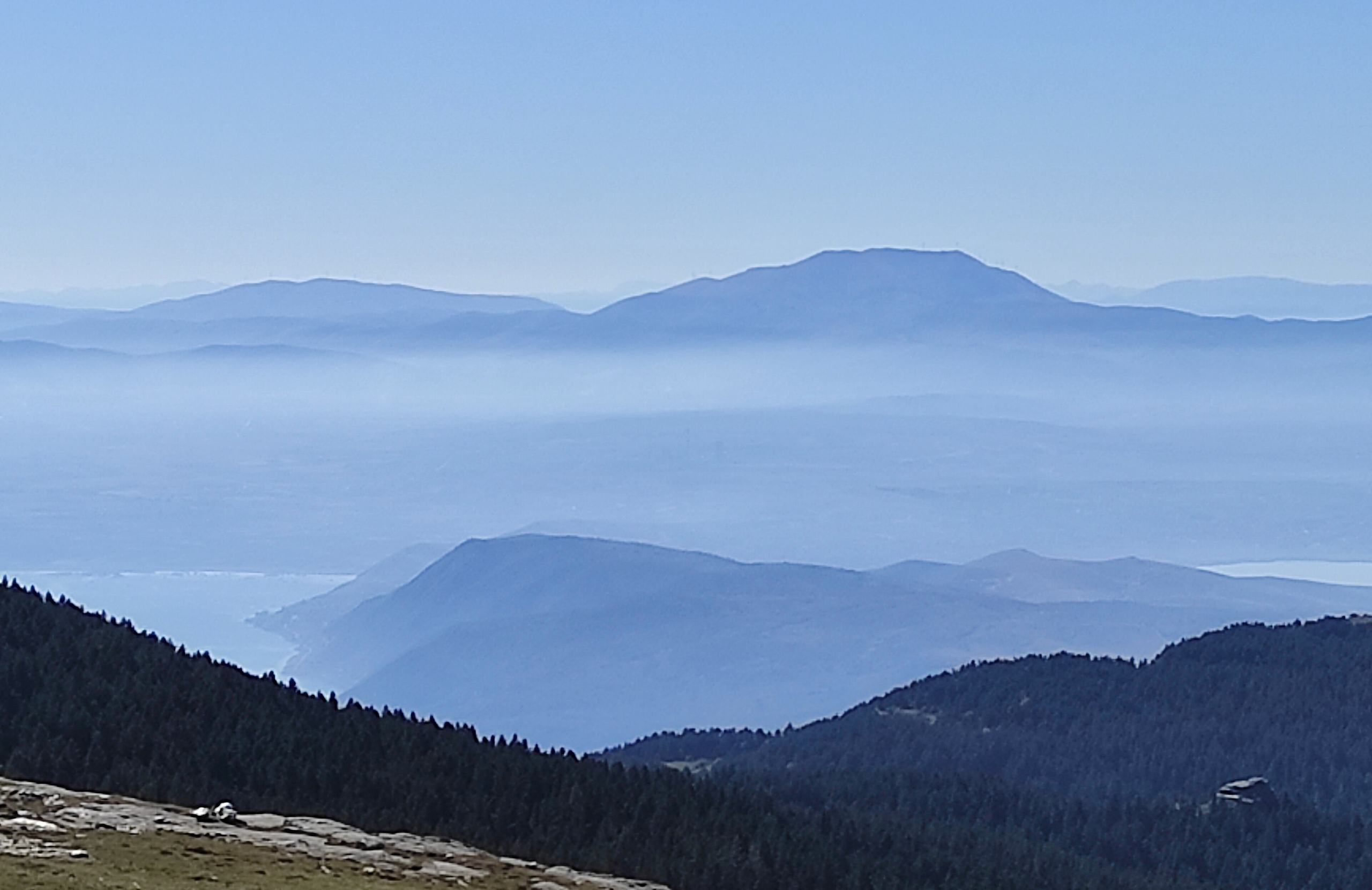
Several other peaks rise above 2,000 metres, to the east of Kaimaktsalan. The name Kaimaktsalan comes from Turkish, from a word for the cream of milk. The ski centre is high on the mountain, at about 2,050 metres, and the town of Edessa lies about 35 kilometres from it. Lake Vegoritida lies below the mountain. Forests of beech, pine and fir cover the lower slopes.
Most visitors come to Voras for skiing. The base of the ski centre is at about 2,050 metres and its top lift ends at about 2,480 metres. It has ten runs and six lifts, one of them a chairlift. The runs are long and wide. On a clear day skiers see the Thermaic Gulf and Mount Olympus, but fog is frequent on this mountain. Check that the centre is open before you go, because the season depends on the snow.
The walk to the summit starts at the ski centre. It is about two and a half kilometres long, climbs about 500 metres and takes about two hours. The path has no marks. In summer it is an easy walk in good weather. In winter the summit is for people with winter equipment and experience.
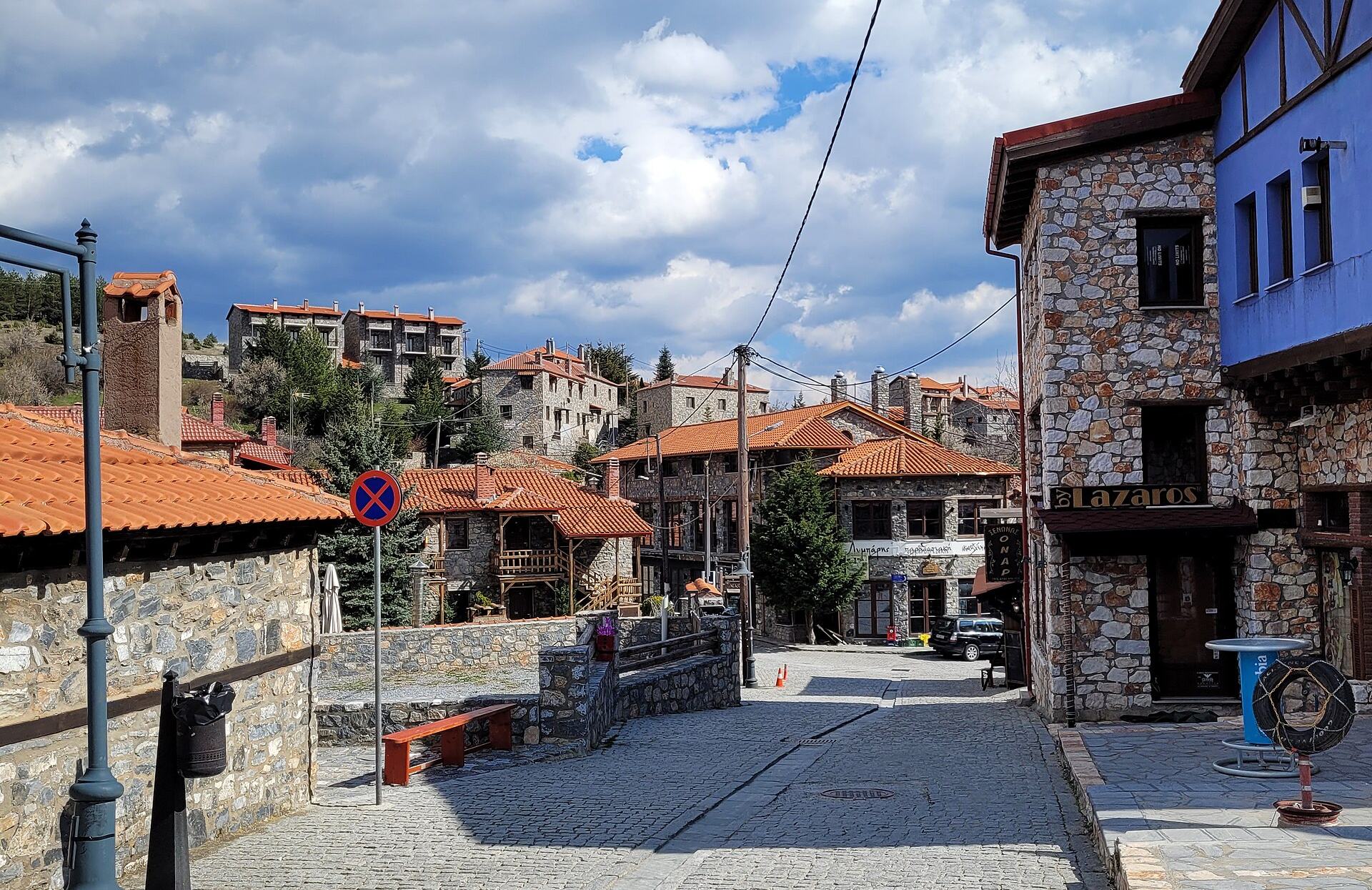
Palaios Agios Athanasios stands at about 1,200 metres, about seventeen kilometres below the ski centre. Herders from Epirus founded it at the end of the 16th century. Its houses are built of cut stone and wood, with tiled roofs, and the state has protected the village as a traditional settlement since the early 1990s.
The people of the village moved to a new village a few kilometres away in the 1980s. The old houses were repaired later, and many of them are guesthouses. The church of the Analipsi, from the 17th century, has a wooden roof. From the village there is a view of Lake Vegoritida.
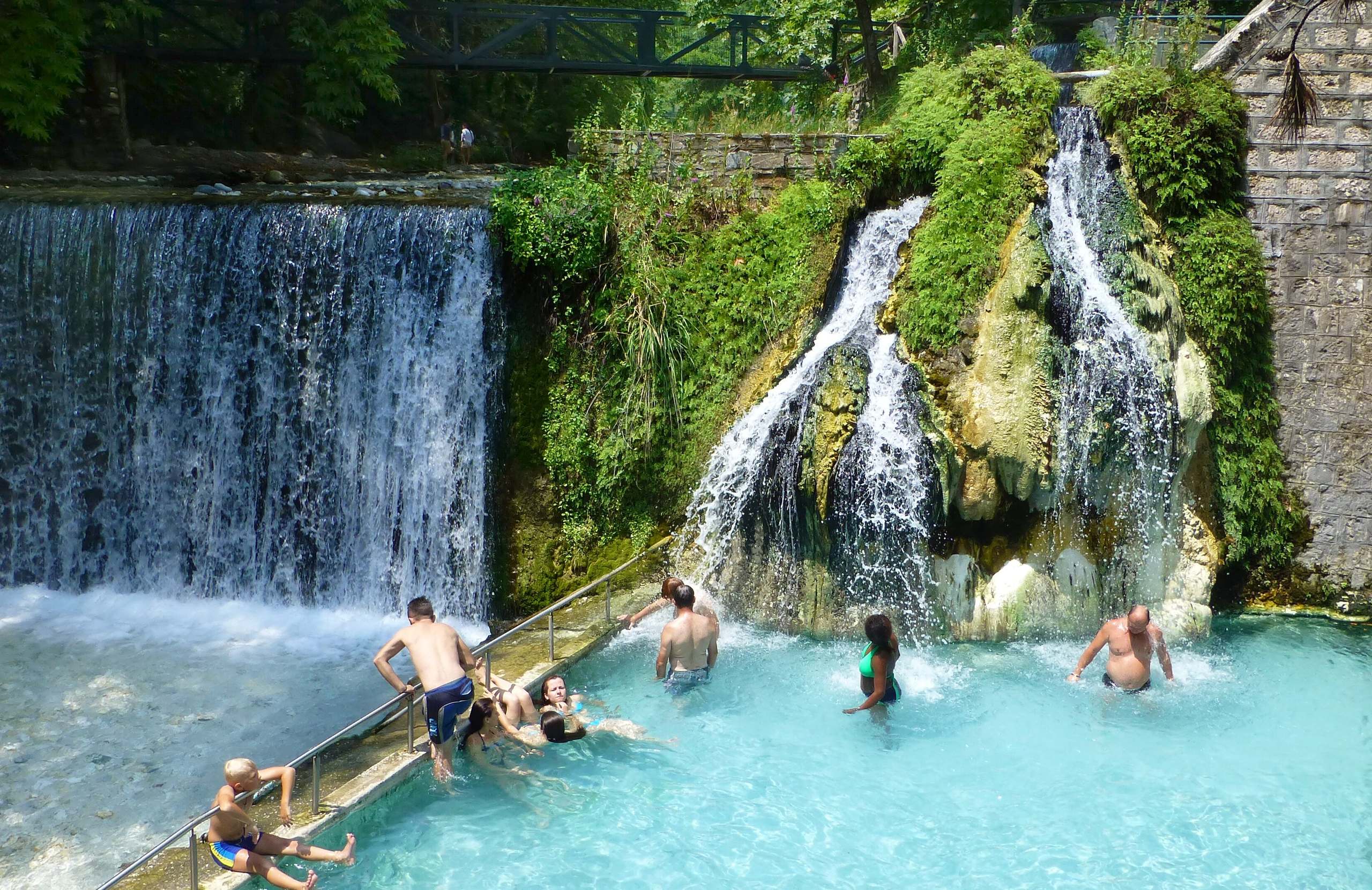
The Pozar thermal baths are at the foot of Voras, near the village of Loutraki. They are about thirteen kilometres west of the town of Aridaia, at about 400 metres. The water comes out of the ground at 37 degrees Celsius all year, and it is also safe to drink.
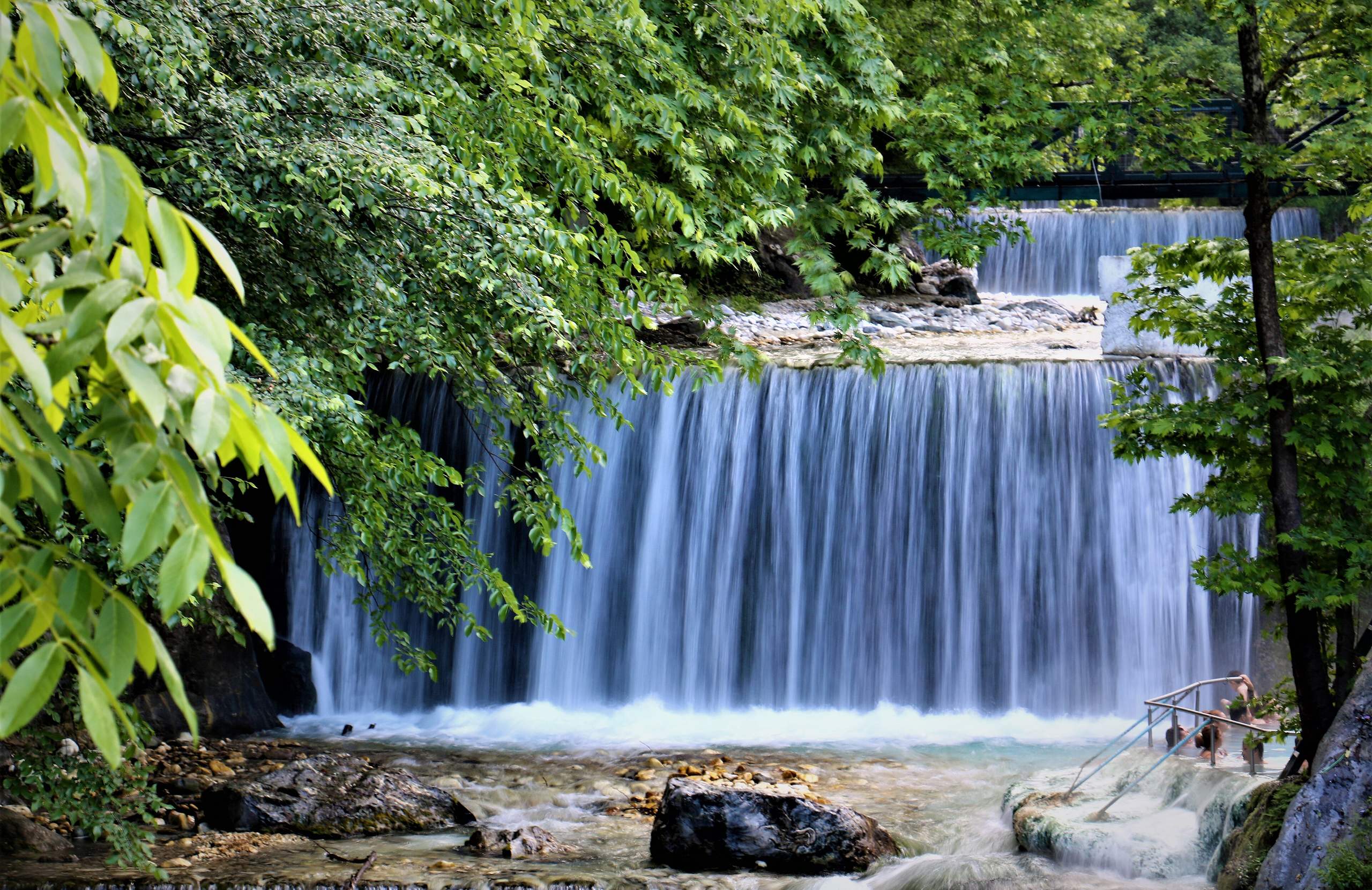
Visitors bathe in outdoor pools, in a building with eleven indoor pools and in a steam bath. There is a waterfall at the baths. The baths are in a gorge, and made paths follow the river through it. Check the opening hours, and check which pools are open, before you go.
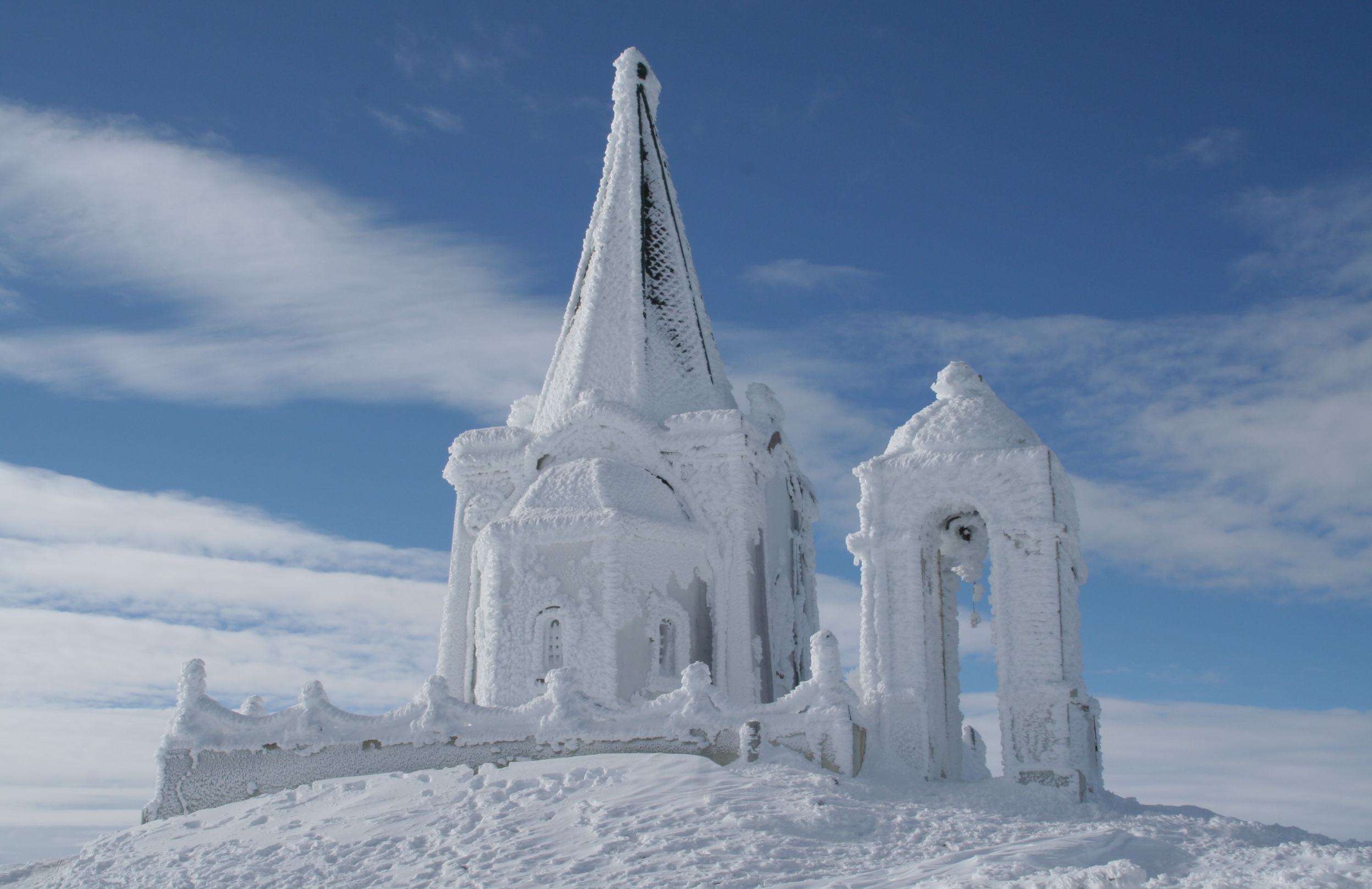
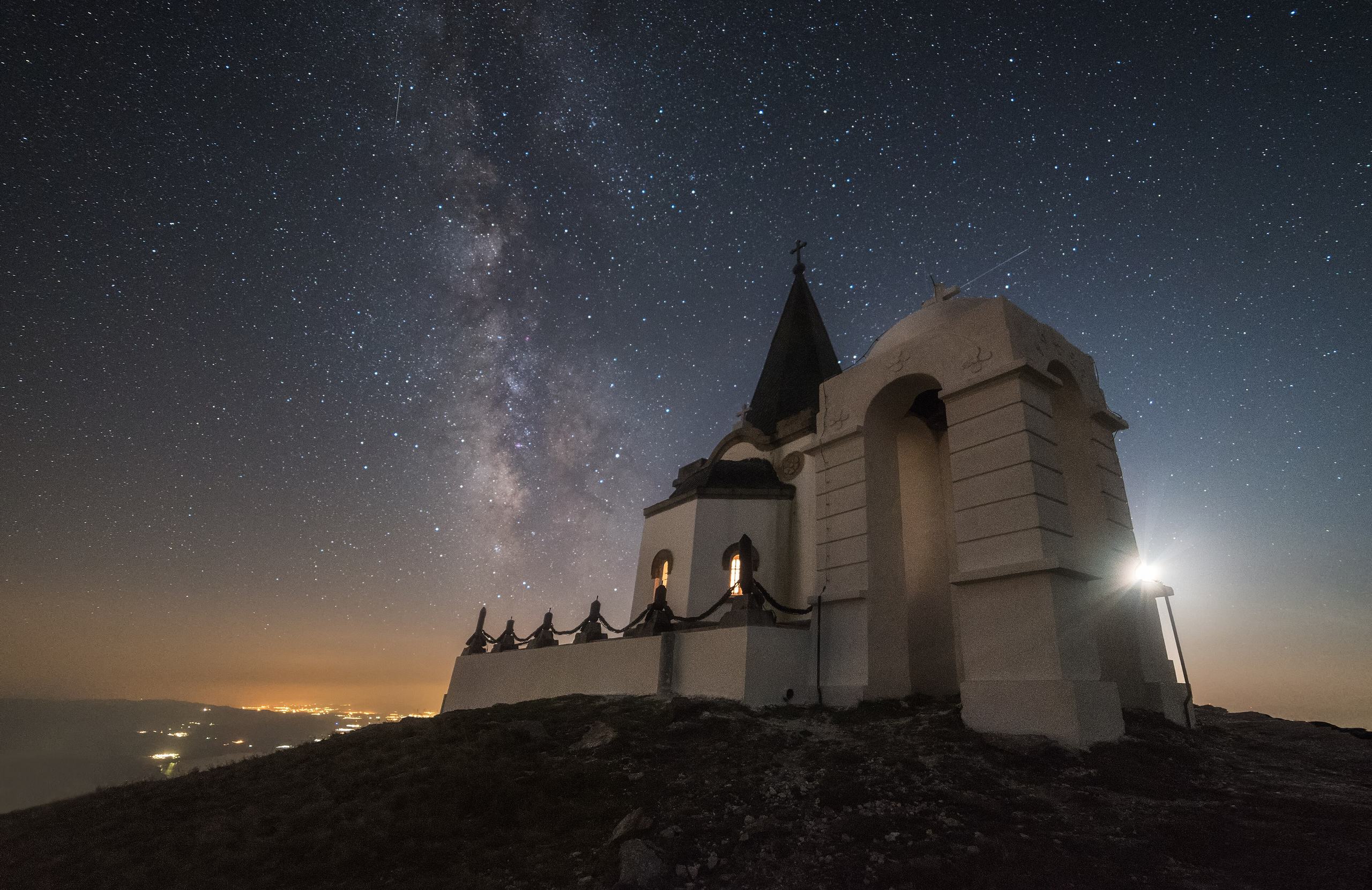
A small chapel stands on the summit of Kaimaktsalan. It was built in the 1920s in memory of the Serbian soldiers who died here in the First World War. Bones of these soldiers are kept under the chapel, and its floor is made from the metal of shells.
The battle of Kaimaktsalan was fought on this ridge from 12 to 30 September 1916. The Serbian army attacked the Bulgarian army, which held the summit, and took it. About 10,000 Serbian soldiers were killed or wounded. Walkers still see trenches, pieces of shells and the remains of bunkers near the summit.
The ski centre and the Pozar baths are on different sides of the mountain, and a different road leads to each. The ski centre is about 35 kilometres from the town of Edessa, on a road that passes the village of Palaios Agios Athanasios and is cleared of snow in winter. In the ski season buses also run to the ski centre, so check the current services. The baths are about 13 kilometres from the town of Aridaia and about 30 kilometres from Edessa. The ski centre is about 130 kilometres from Thessaloniki.
The ski season usually runs from late December to the middle of April. The dates change every year with the snow, so check before you travel. The weather on the mountain changes fast, and fog is frequent. The walk to the summit is easiest in summer. The water of the Pozar baths is warm all year, so the baths do not depend on the season.
The path to the summit has no marks, so carry a map or a GPS track and do not start in fog. The summit ridge is the border with North Macedonia. A rough dirt road also climbs from the ski centre towards the summit. There is a chalet with food at the ski centre, and a mountain hut stands beside it. Ask at the ski centre whether the hut is open.