Exploring the Grevena Area

Grevena is one of the least populated parts of Macedonia — a country of mountains, fir forest and stone bridges, with one small town and a scatter of villages that sit higher than almost anywhere else in Greece.
The Pindus range runs down its western edge and takes in Mount Smolikas, the second highest mountain in the country. Behind it lies Valia Calda, one of the oldest national parks in Greece and a refuge for brown bears and wolves.
Three things bring people here: walking in summer, the ski centre at Vasilitsa in winter, and mushrooms in autumn. A fourth is less expected — at a village called Milia, the largest tusks ever found anywhere in the world are on display.
History & Culture
The oldest history here is not human
In 1990 a resident of the area picked up some fossil bones near Grevena and took them to the university in Thessaloniki. The excavations that followed, led by a palaeontologist from that university, uncovered an incomplete elephant skeleton about two hundred thousand years old.
Then the work moved to the village of Milia. In 1997 the team found a pair of tusks 4.39 metres long. Ten years later, in 2007, they found another pair — 5.02 metres, the largest ever recorded anywhere in the world, and listed as such in the Guinness Book of Records.
They belonged to Mammut borsoni, a mastodon that lived here around three million years ago, when this was warm open country.
The Natural History Museum of Milia displays them along with more than two thousand other finds, including remains of rhinoceros, bear, gazelle and turtle.
The stone bridges
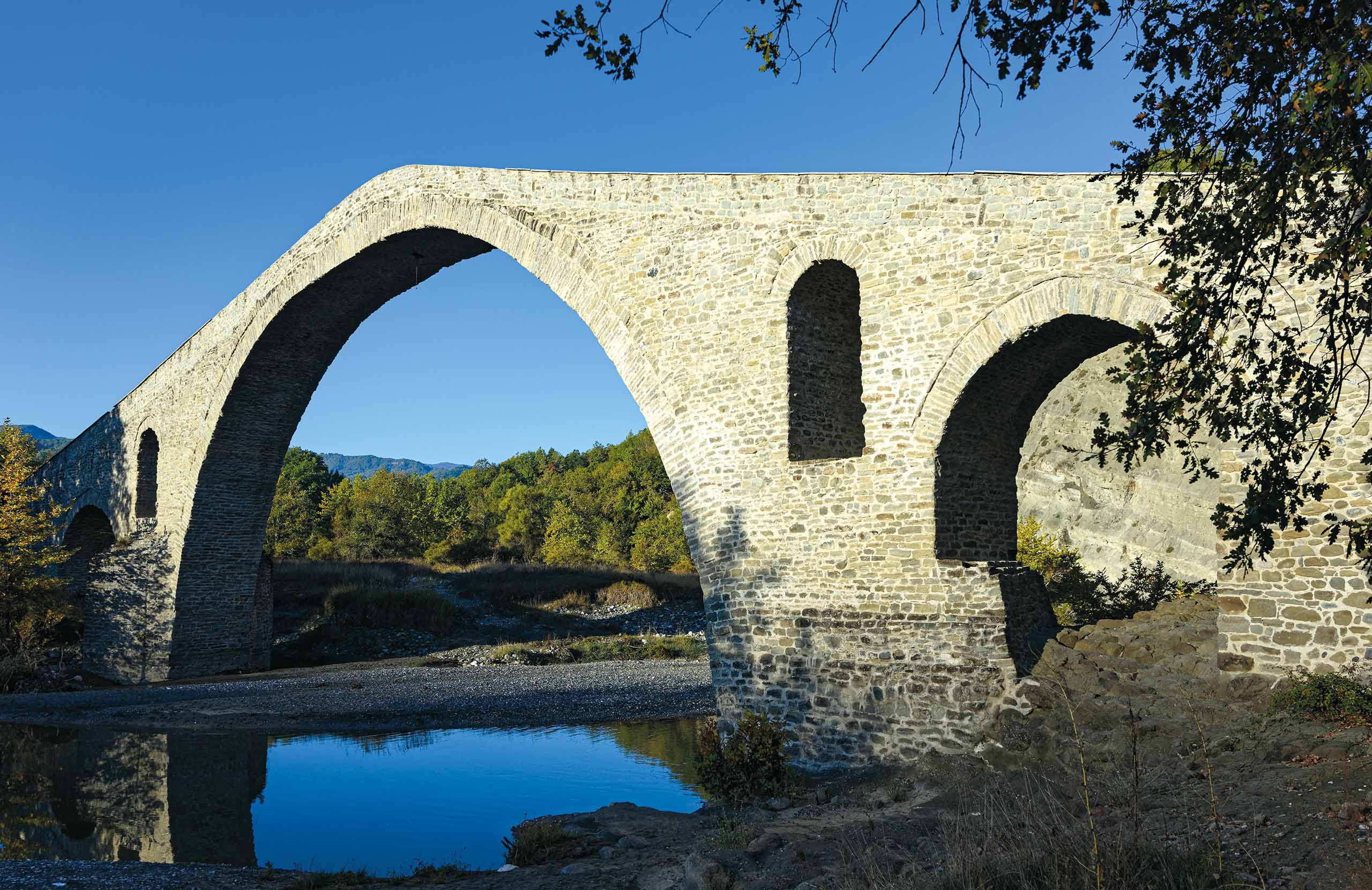
Grevena has the largest and most impressive stone bridges in Macedonia, built over centuries because the rivers left people no choice.
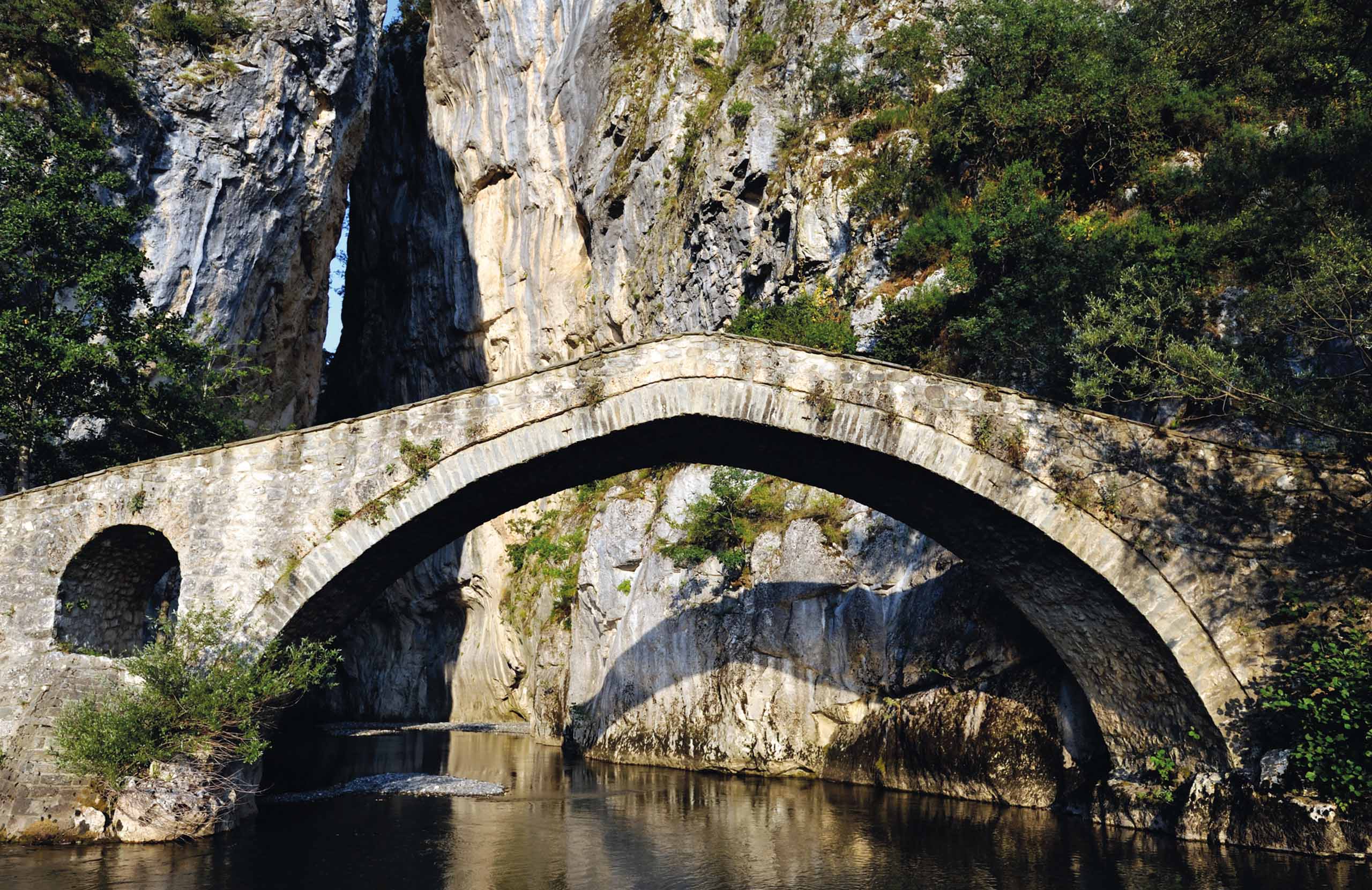
The one everybody photographs is at Portitsa. A thirty-four-metre arch stands between two vertical rock faces that appear to have been split apart to let the Venetikos through. The water below is a striking green.
Near the village of Trikomo, the bridge of Aziz Aga is notable for the sheer span of its arch. More stand around Portitsa itself, at Liatissa and Katsogiannis.
Monasteries and the town
The Monastery of Saint Nikanor, also called Zavorda, stands above the Aliakmon on the boundary with Kozani, and it is the best known religious building in the area.
Spilaio, at the foot of Mount Stavros, is considered one of the oldest settlements in the whole of western Macedonia.
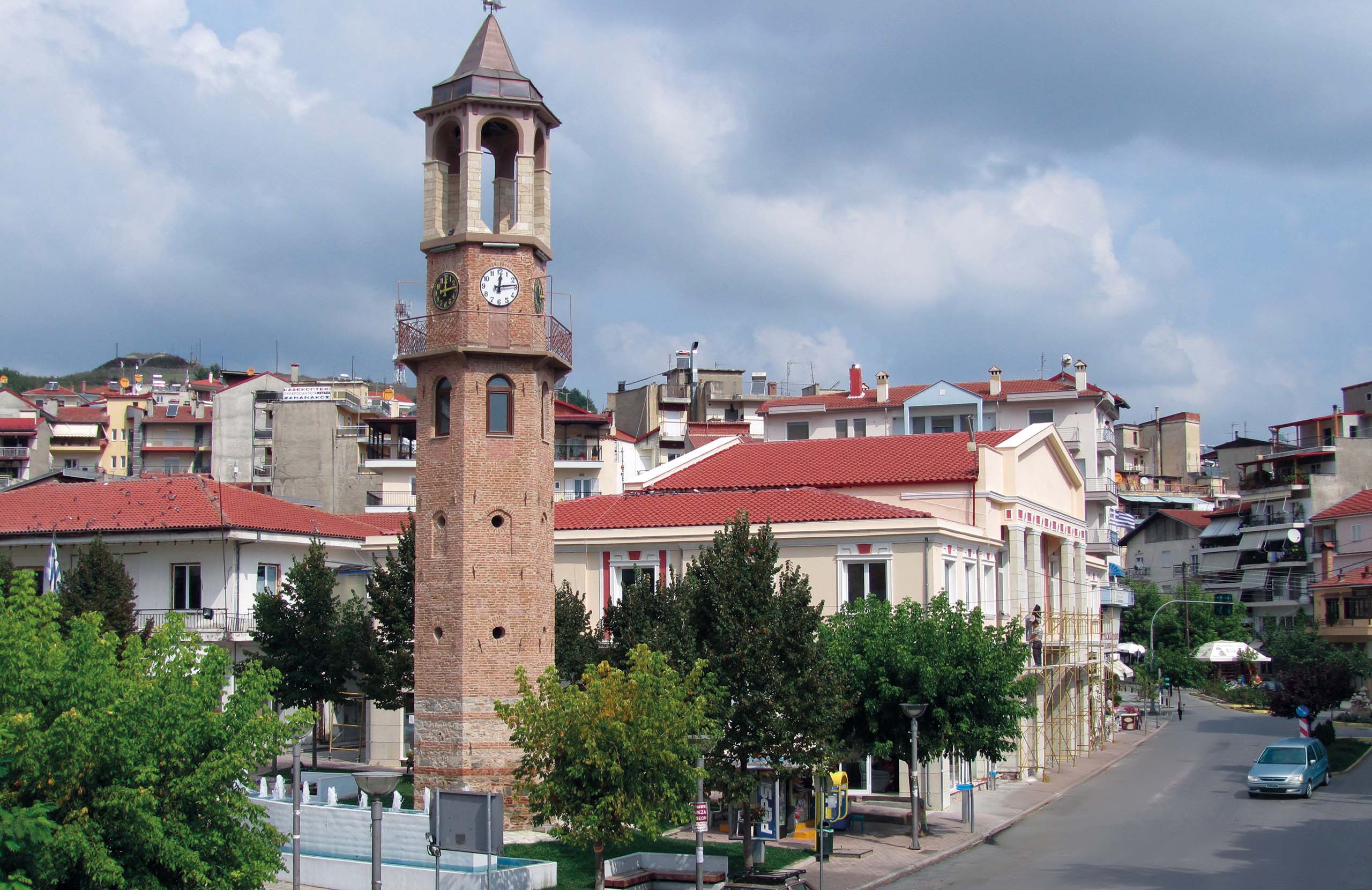
The town of Grevena itself is small and administrative, with a clock tower, a municipal museum and cafés around the square. It is a base rather than a destination.
Villages & Inland
The mountain villages of Grevena are Vlach villages — settlements of Aromanian-speaking herders who moved their flocks and their families to the Thessalian plain every winter and came back up in spring. Until fairly recently they emptied completely in the cold months.
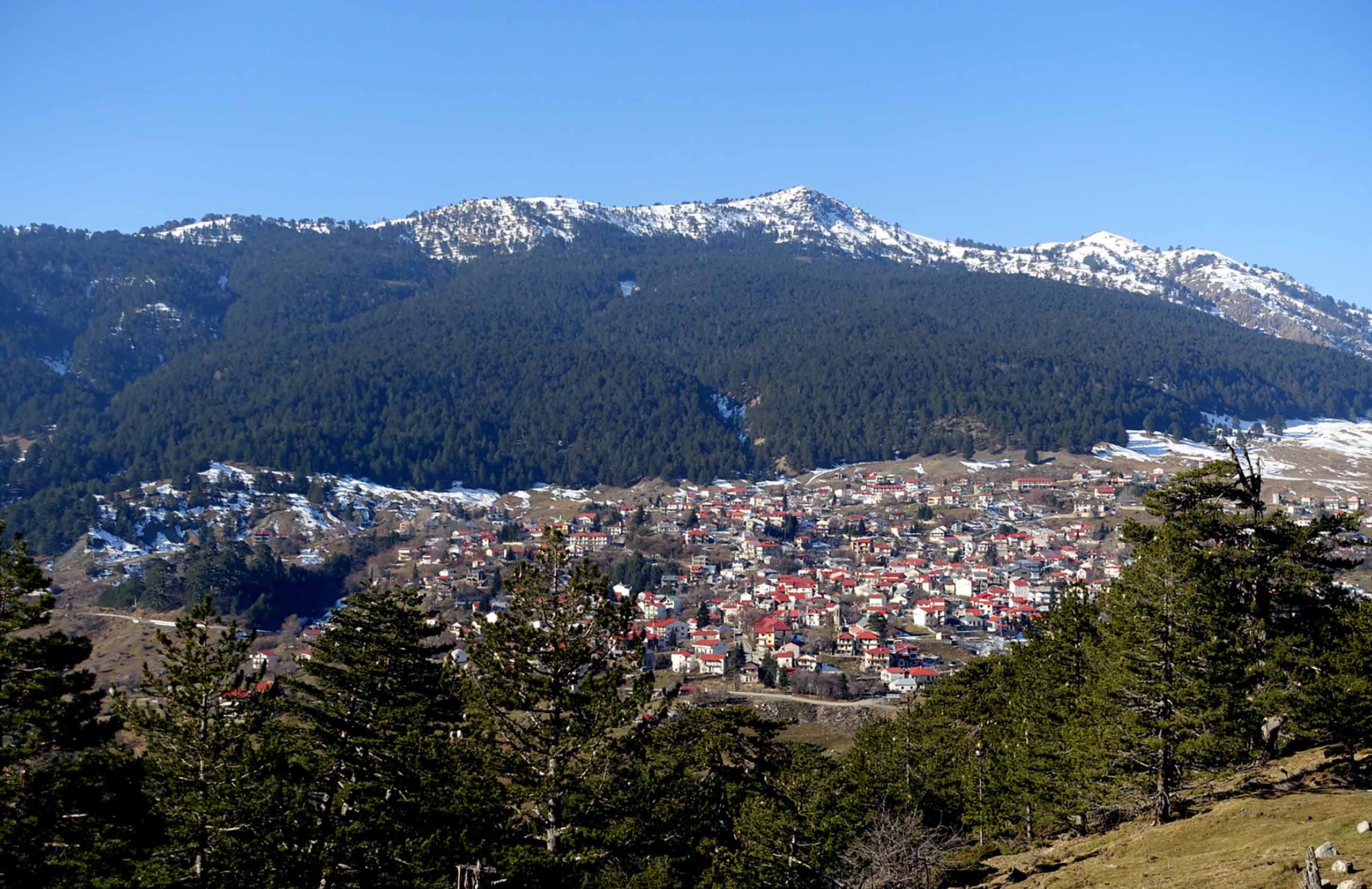
Samarina, on the slopes of Smolikas at about 1,600 metres, is the highest inhabited village in the Balkans. Its houses have tiled roofs against dark fir forest, and its church of the Panagia is the largest in the Pindus — with a century-old pine growing through the roof of the sanctuary.
Smixi sits below Vasilitsa and is the closest village to the ski centre.
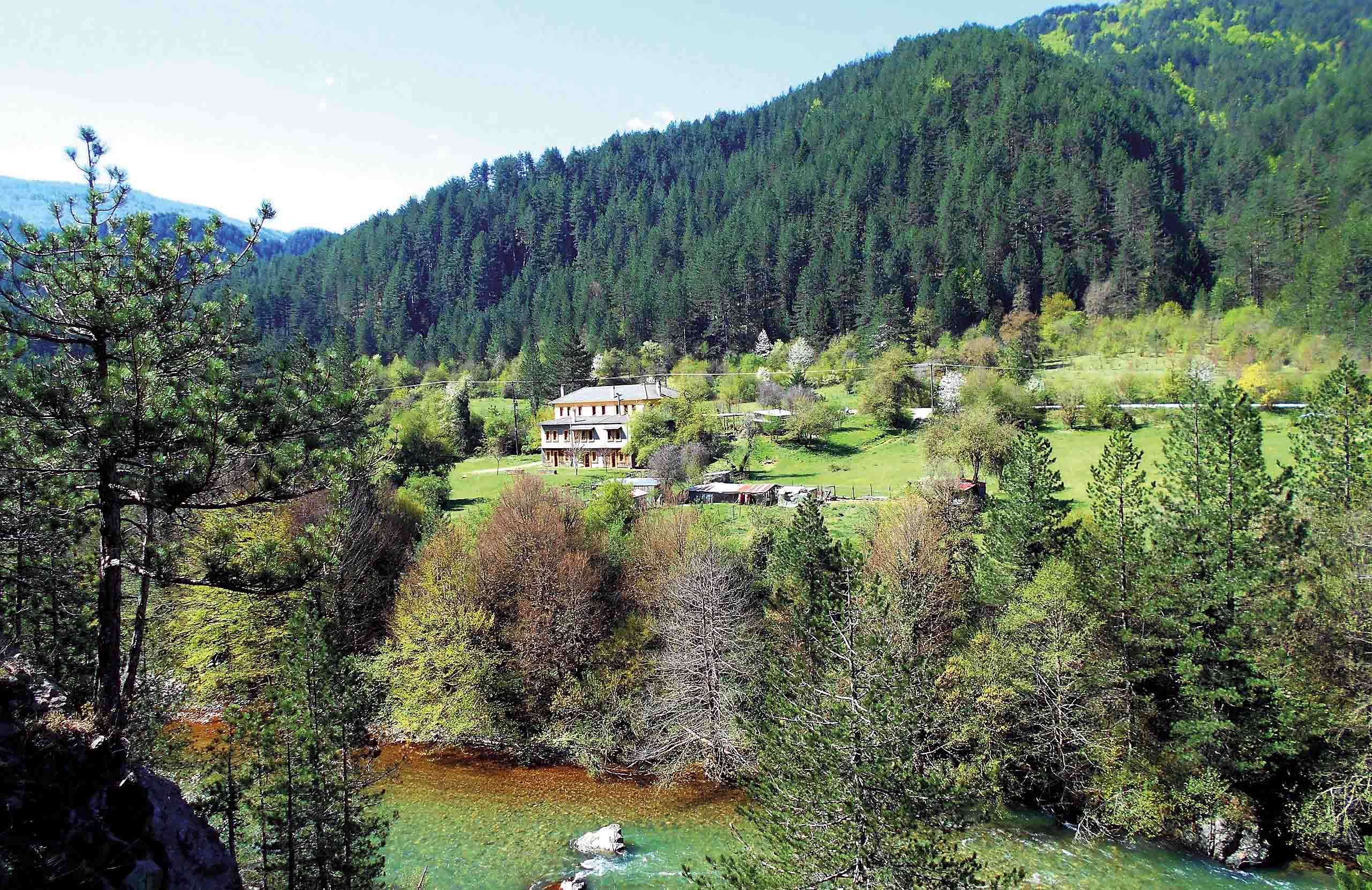
Avdella, Perivoli and Krania are the way into Valia Calda from the Grevena side.
Dotsiko, Mikrolivado, Lavda and Prionia are smaller and quieter still.
Many of these places come alive in August, when families return and the village festivals run for days.
Nature & Outdoors
Valia Calda
The Pindus National Park, one of the oldest in Greece, straddles the boundary between Grevena and Ioannina. Its heart is Valia Calda — warm valley in the Vlach language — a valley at about 1,400 metres enclosed by the mountains of Lygkos and Mavrovouni.
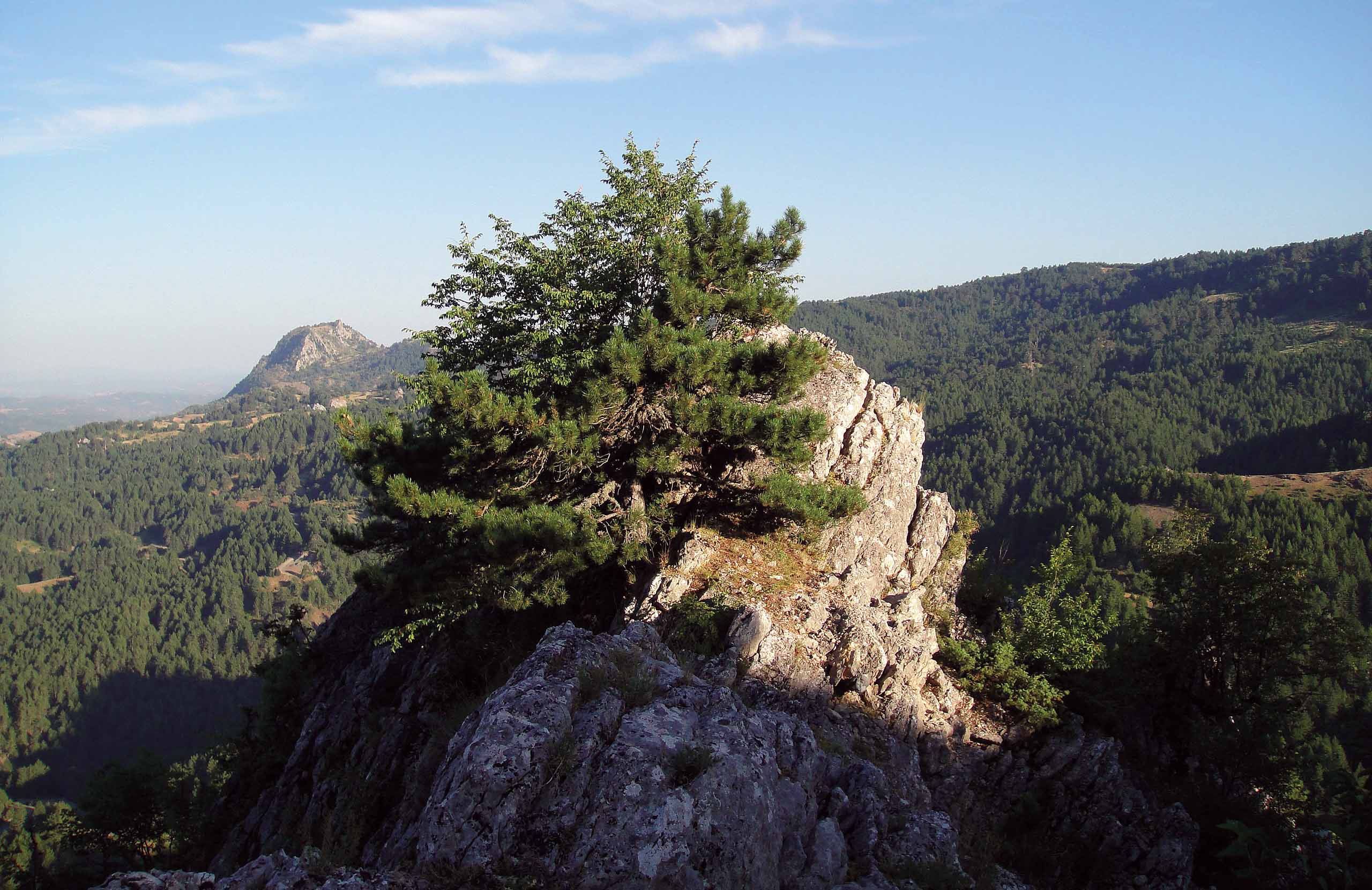
The park covers around sixty-nine square kilometres. Several streams run through it, the largest being the Arkoudorema, the bear stream, which flows into the Aoos. There are black pines here that are hundreds of years old, small mountain lakes, and one of the few surviving populations of brown bear in Greece.
Access is on foot, and the tracks in are rough.
The mountains
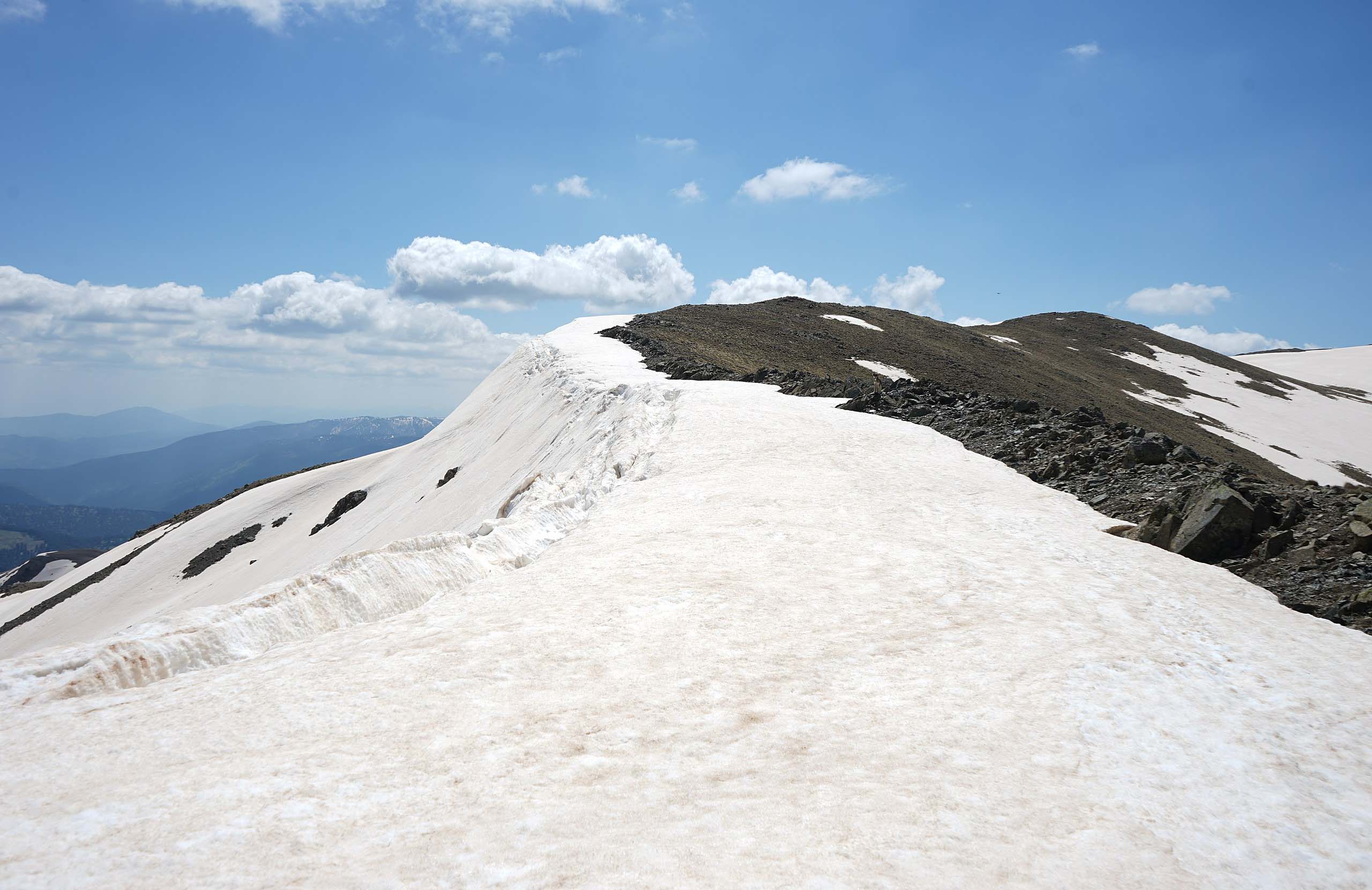
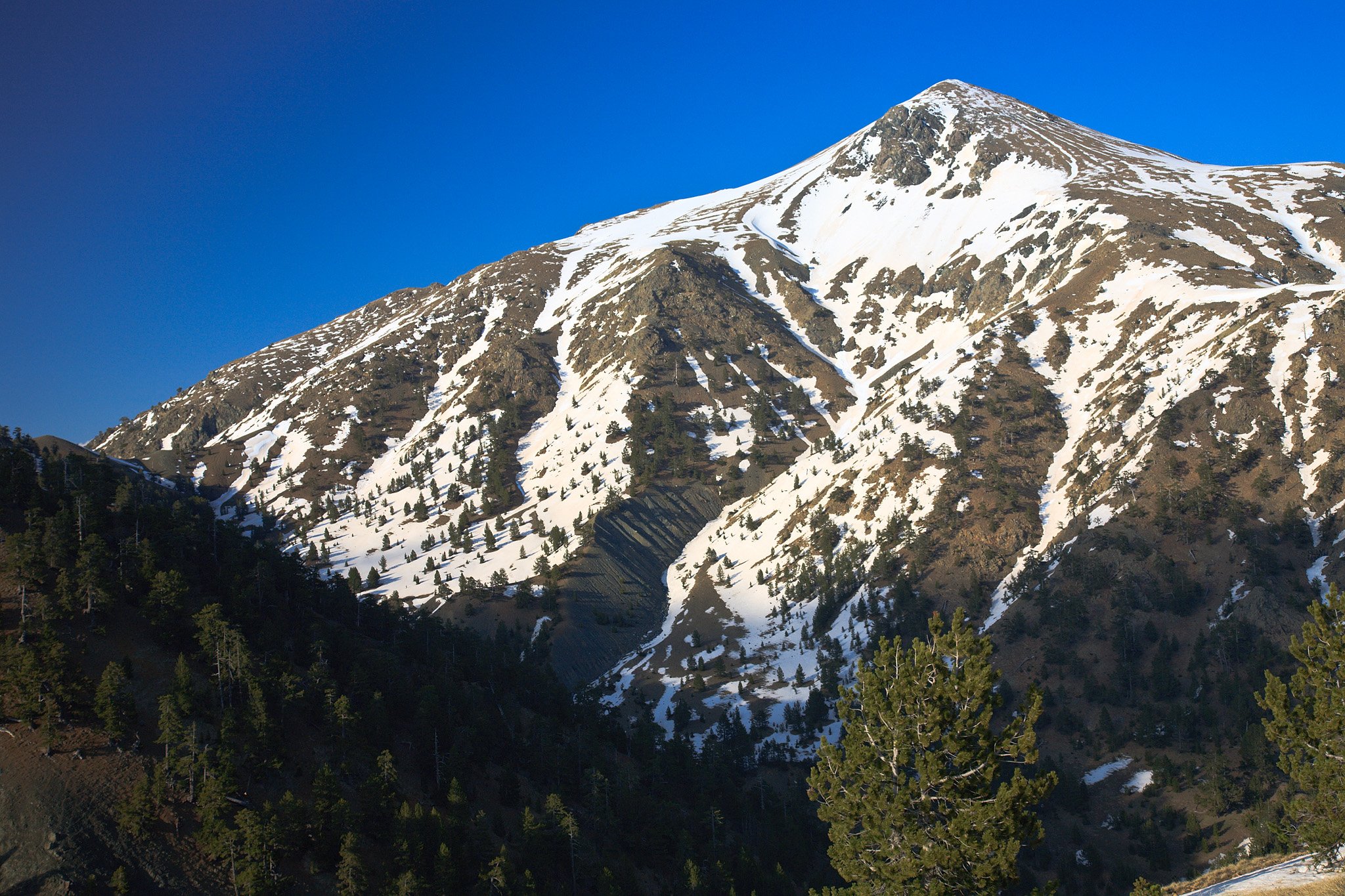
Mount Smolikas rises to 2,637 metres, second only to Olympus. The walk to the Drakolimni, the dragon lake below the summit, is the classic route, and Samarina is the usual base.
Vasilitsa carries the ski centre and is walkable the rest of the year.
Orliakas, above the Venetikos, has a marked path along its ridge and a view over the whole basin.
The rivers
The Venetikos runs green through the Portitsa gorge and joins the Aliakmon, the longest river in Greece, which forms the eastern boundary of the regional unit.
Activities
The Vasilitsa ski centre is the reason many Greeks know Grevena at all. It sits high in the Pindus, gets reliable snow, and is quieter than the better-known centres further south.
Rafting and kayaking run on the Venetikos in spring, when the snowmelt raises the water, and on stretches of the Aliakmon.
For walking, the routes are the Drakolimni on Smolikas, the paths into Valia Calda, the ridge of Orliakas, and the gorge and bridges at Portitsa.
Food & Drink
Grevena calls itself the city of mushrooms, and it means it. The forests produce a large part of what Greece eats, the town holds a mushroom festival, and mushrooms turn up on menus in forms you will not find elsewhere — in pies, grilled, preserved, and made into products sold across the country.
Beyond that, this is herding country. Lamb and goat, slow-cooked or spit-roasted, wild boar in winter, and dairy from flocks that graze at altitude — hard cheeses, feta, and thick yoghurt.
The village of Krania and the Vlach settlements are where to eat this properly.
Where to Stay
Prices shown per night for a sample 3-night stay. Rates and availability vary by season — select your dates for live pricing.
Practical information
Getting there
Grevena is on the Egnatia motorway, which put it within reach of everywhere. Ioannina is about an hour west, Metsovo forty minutes, Thessaloniki around two hours, and Meteora less than an hour south. The nearest airports are Ioannina and Thessaloniki.
Buses run from Thessaloniki and Ioannina to the town, but not usefully into the mountains.
Getting around
A car is essential. The villages are spread over a large area of mountain, and the roads climb and wind. Samarina is about an hour and a half from the town, Portitsa around forty minutes.
In winter, check conditions before driving into the mountains. Snow chains are often needed, and some village roads close.
The last stretch to Portitsa and into Valia Calda is unsurfaced.
When to go
Autumn is the season here: the mushrooms are up, the beech and fir turn, and the walking is at its best.
Summer is cool at altitude and the village festivals run through August, particularly around the 15th, when the Vlach villages fill.
Winter is for Vasilitsa. Spring brings the snowmelt and the best water for rafting.
Good to know
Check the opening hours of the Milia museum before driving out; it is a village museum and hours are limited.
Valia Calda has no facilities of any kind — no shop, no water, no signal in the valley. Do not go in alone or unprepared, and tell someone where you are going.
Many village guesthouses and tavernas close outside the season, particularly midweek. Book ahead rather than arriving and looking.
The mushroom festival and the August village feasts fill what little accommodation exists.
Exploring the Grevena Area— been there?Tell others what you saw.
A photo and two lines are enough.
