Exploring the Larissa Area
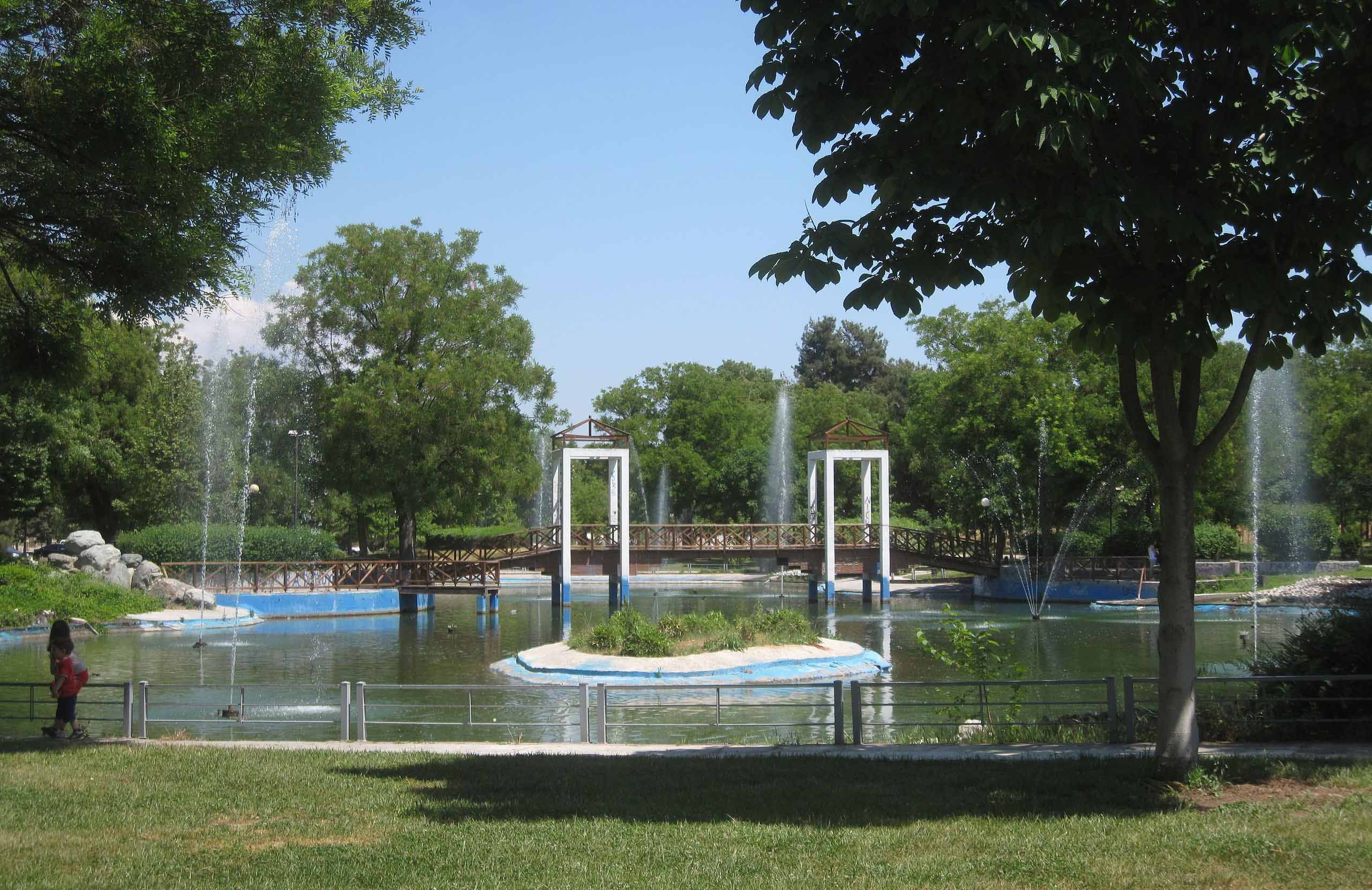
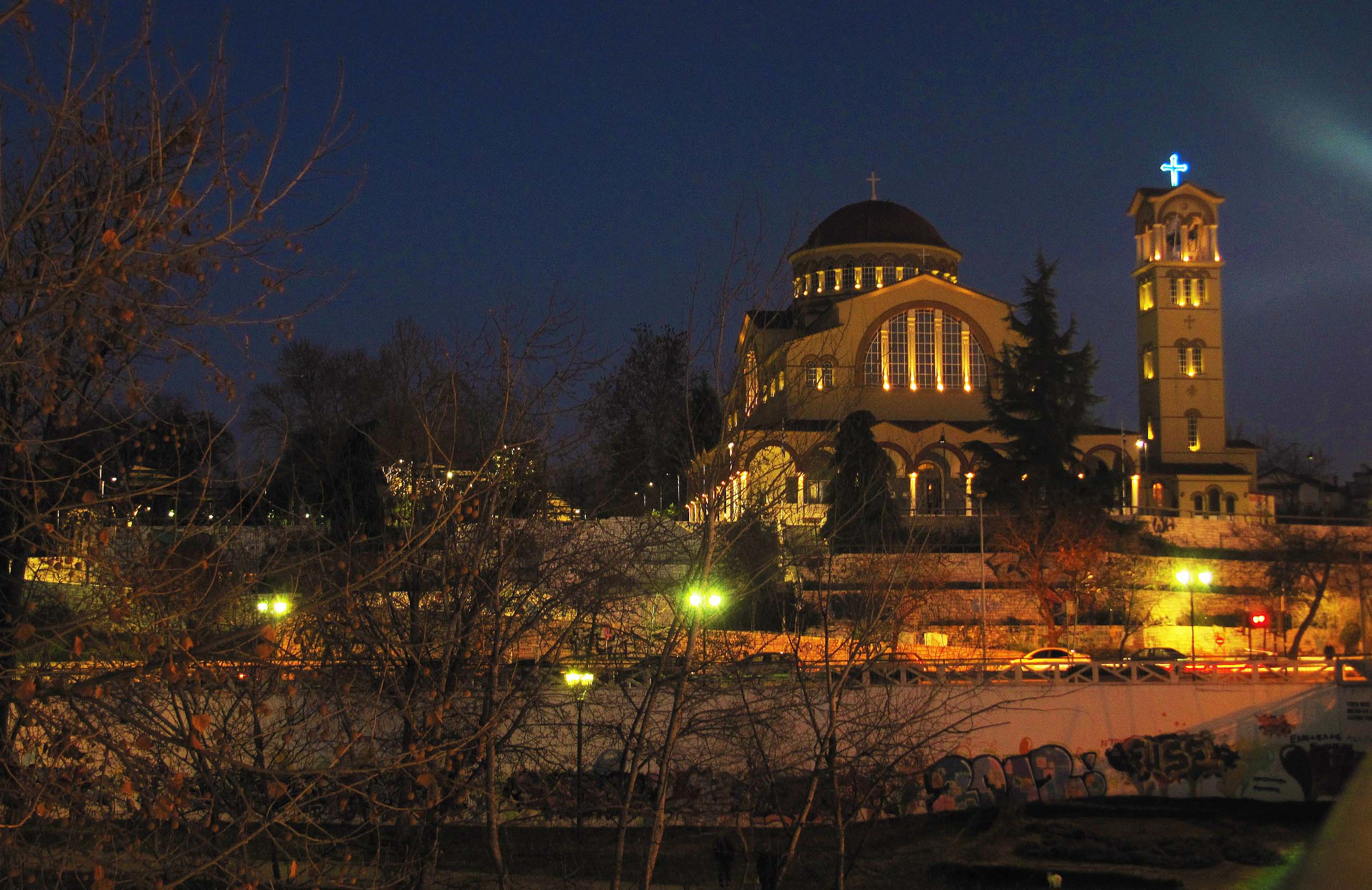

The regional unit of Larissa covers the northern half of the Thessalian plain, in Thessaly — flat farmland from horizon to horizon, closed off by mountains on three sides and opening to the Aegean on the fourth.
Mount Olympus stands at the northern edge and Mount Ossa to the east, and between them the Pineios river forces its way to the sea through the Vale of Tempe.
Larissa, the capital, is one of the oldest continuously inhabited towns in Europe, and it has an ancient theatre for ten thousand people in the middle of it. On the slopes above Tempe, the village of Ambelakia ran what is widely described as the first cooperative in the world.
History & Culture
The theatre
The First Ancient Theatre of Larissa sits on the south side of the Fortress Hill, in the centre of the modern city. It was built in the first half of the third century BC, under Antigonus Gonatas of Macedon, and held around ten thousand people — the largest theatre in Thessaly.
It was buried under the city for centuries and has been progressively uncovered and restored. A Second Ancient Theatre, of the Roman period, stands nearby.
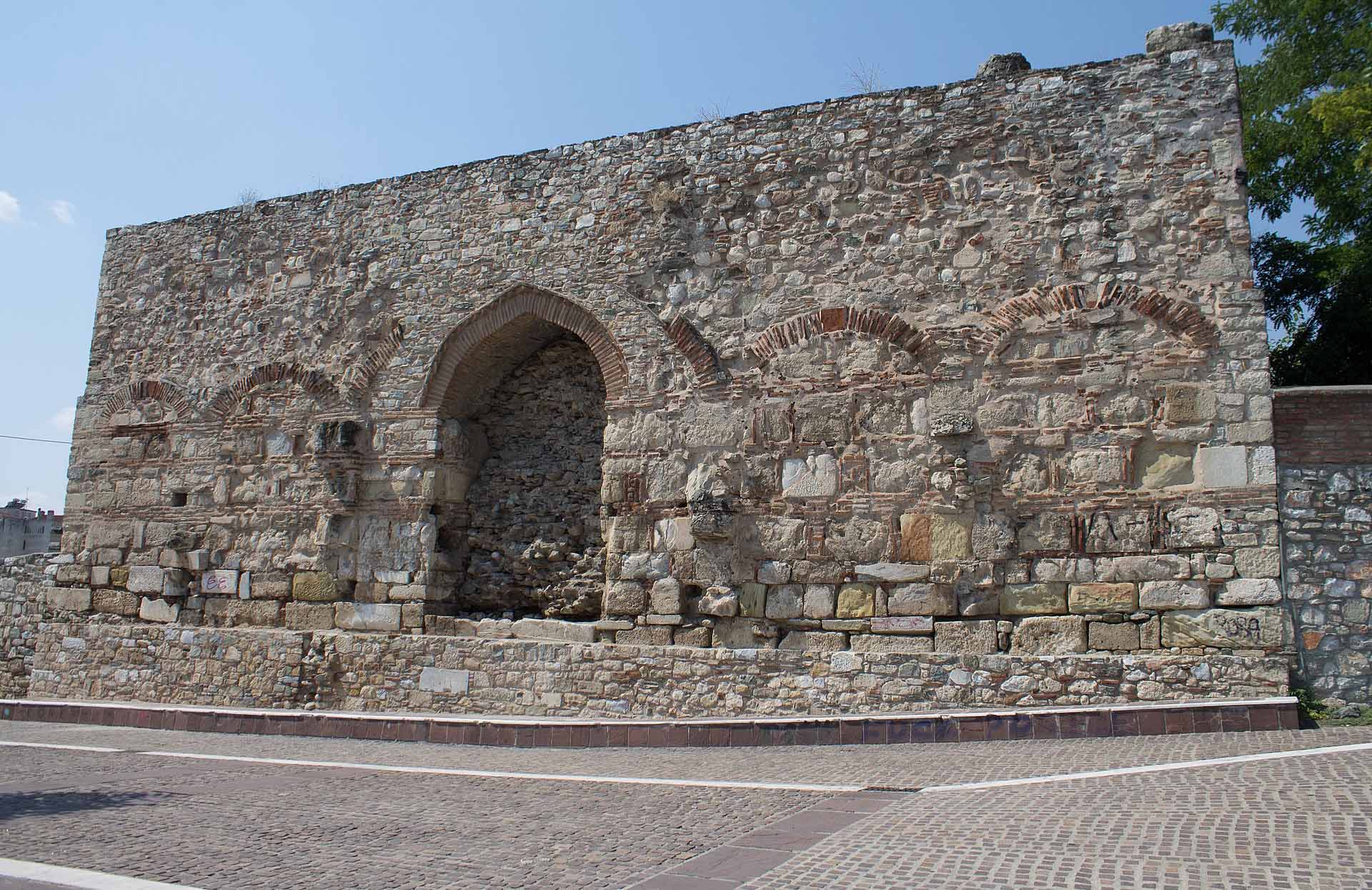
On the same hill is the Bezesten, an Ottoman covered market of solid stone with lead domes.
The Diachronic Museum
The Diachronic Museum of Larissa, opened in 2015, presents the archaeology of the whole of Thessaly in one continuous sequence — from the Palaeolithic through the Neolithic settlements of the plain, the classical and Hellenistic cities, Roman Thessaly and the Ottoman period.
Ambelakia
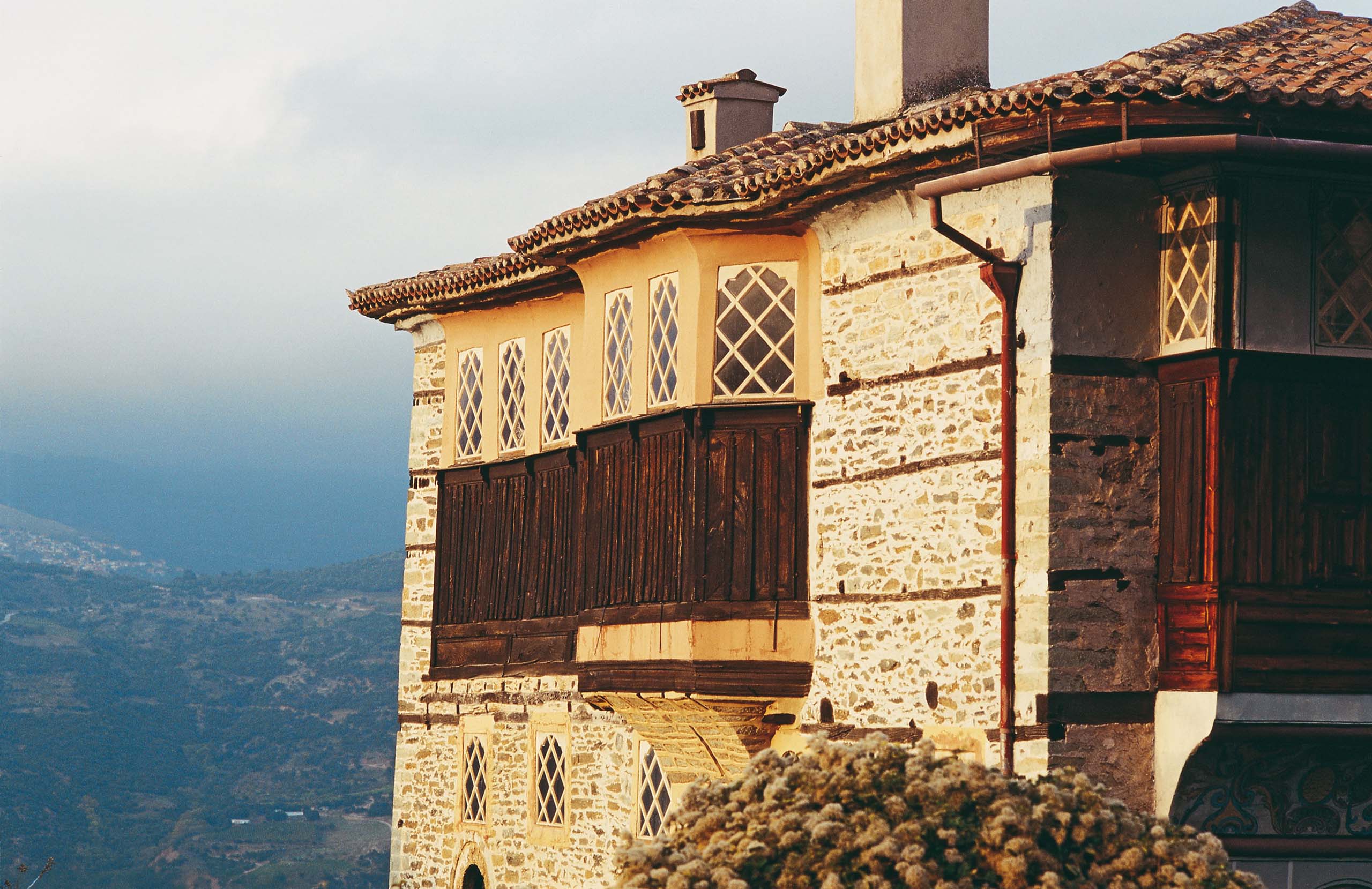
On the northern slope of Ossa, above the entrance to Tempe, Ambelakia was for thirty years one of the richest villages in the Balkans.
Its people dyed cotton yarn a deep red using madder root, and the colour was good enough to sell across Europe. In 1778 the separate workshops merged into a single body, the Common Company and Brotherhood of Ambelakia, with an elected president. Every villager who could afford a share held one — and by 1780 there were six thousand members, twenty-four workshops and seventeen branches in European cities.
It is widely described as the first cooperative in the world.
It collapsed around 1811, when synthetic dyes arrived and British textile manufacturing took the market. Seventeen mansions survive, and the three-storey house of the cooperative's president, built between 1787 and 1798, is open as a museum.



Nature & Outdoors
The Vale of Tempe
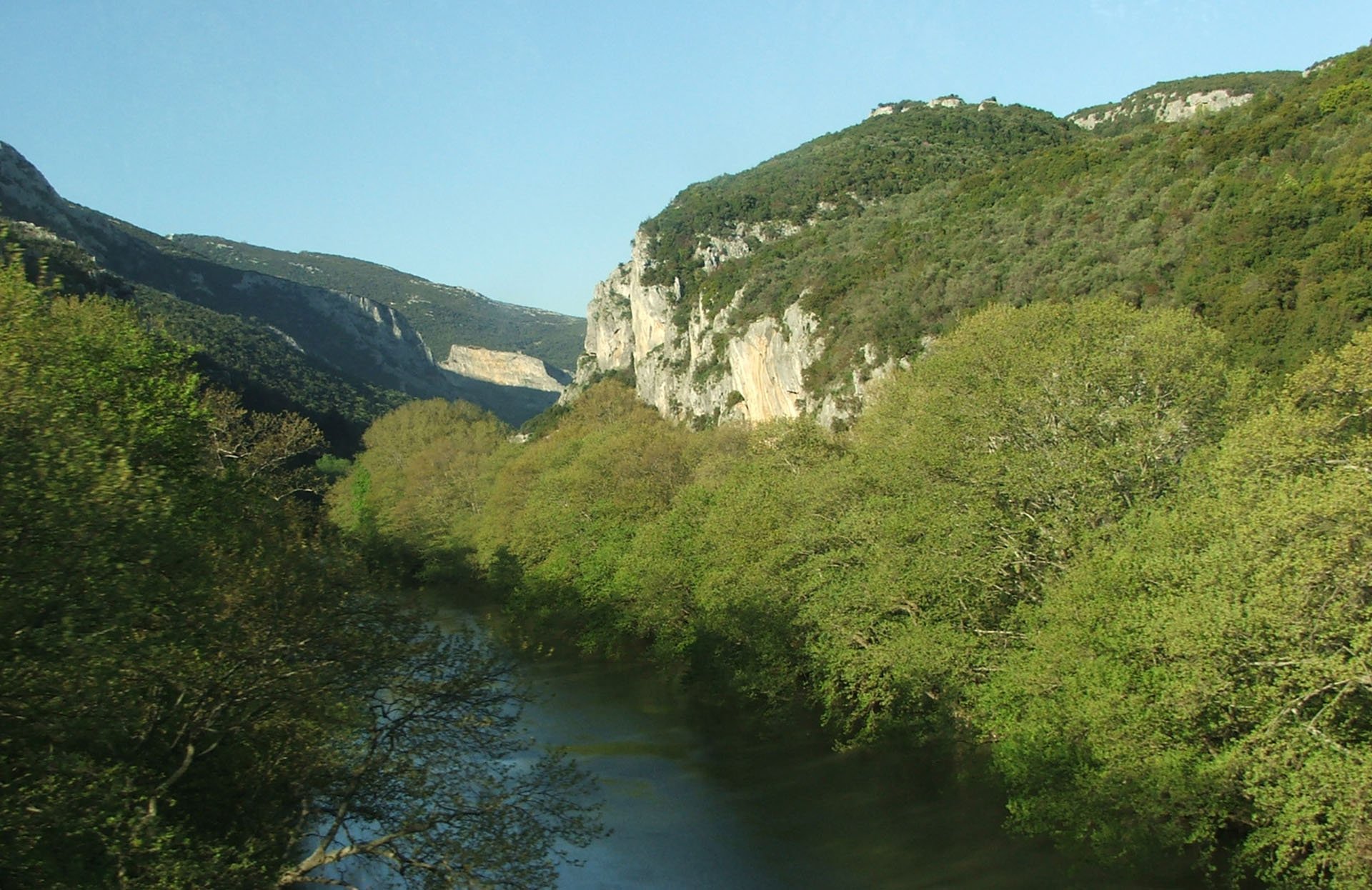
Between Olympus and Ossa, the Pineios cuts a narrow valley about ten kilometres long, with cliffs rising on both sides and plane trees along the water.
In myth this is where Apollo pursued the nymph Daphne, daughter of the river, and where the laurel used to crown victors at the Pythian Games was gathered.
The church of Agia Paraskevi stands on the far bank, built around 1910 by railway workers, with a spring inside a cave beside it. A suspension bridge carried visitors across from 1960 until September 2023, when the storm known as Daniel destroyed it; a replacement is being built.
Walking paths run along the river and high above the valley, and the cliffs on the north side are used for climbing and via ferrata routes. Rafting and kayaking run on the Pineios through the valley.
The mountains
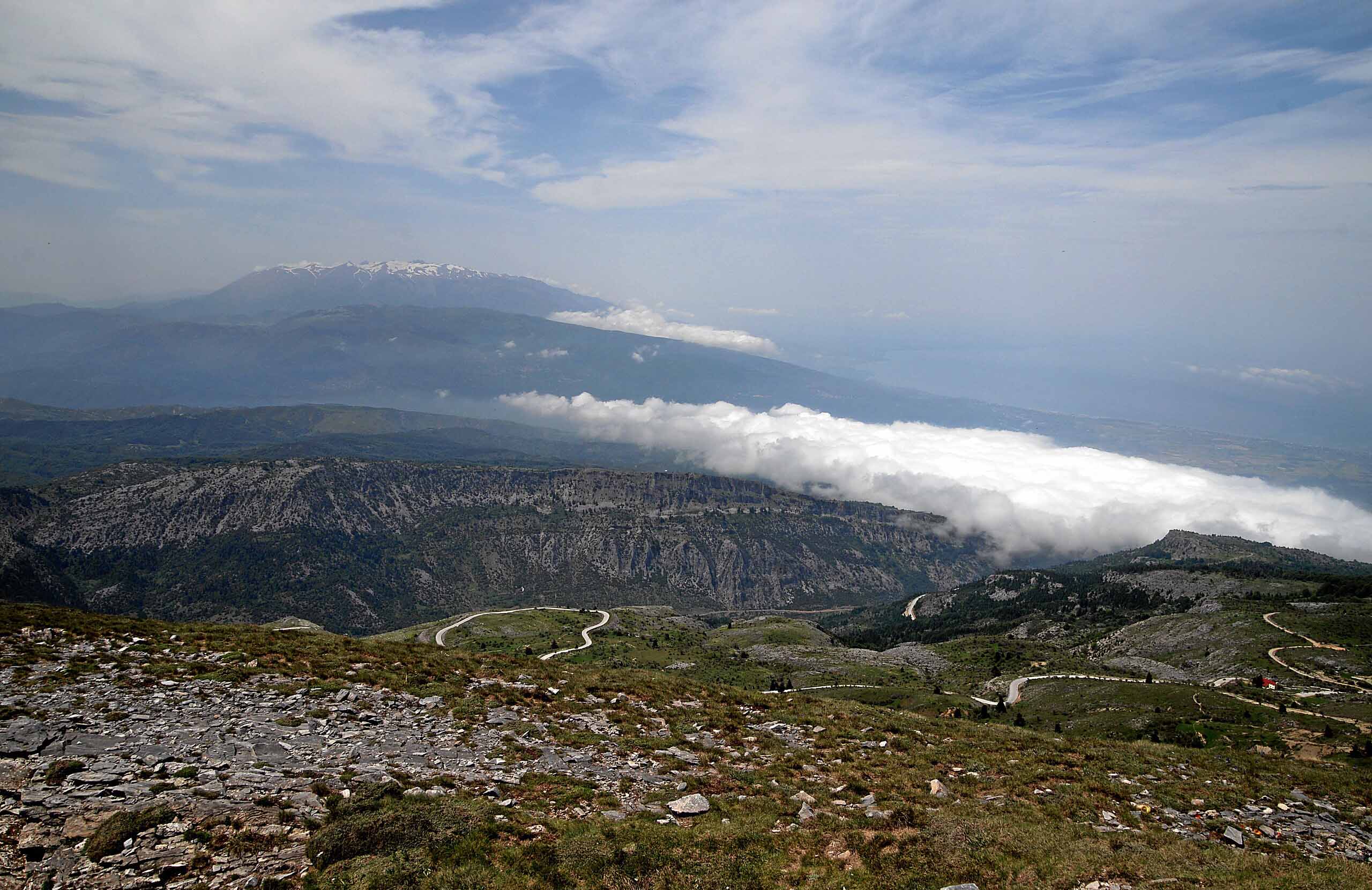
Mount Olympus, on the northern boundary, is the highest mountain in Greece and the best-known walking destination in the country. The E4 European path crosses it.
Mount Ossa, also called Kissavos, is lower, thickly wooded, and has waterfalls and marked paths. Mount Mavrovouni, closer to the coast, is quieter still and is an important area for birds of prey.


Villages & Inland
Ambelakia is the one to see, for the mansions and the cooperative museum.
Rapsani, on the southern slopes of Olympus, is a wine village with stone houses and a wine museum.
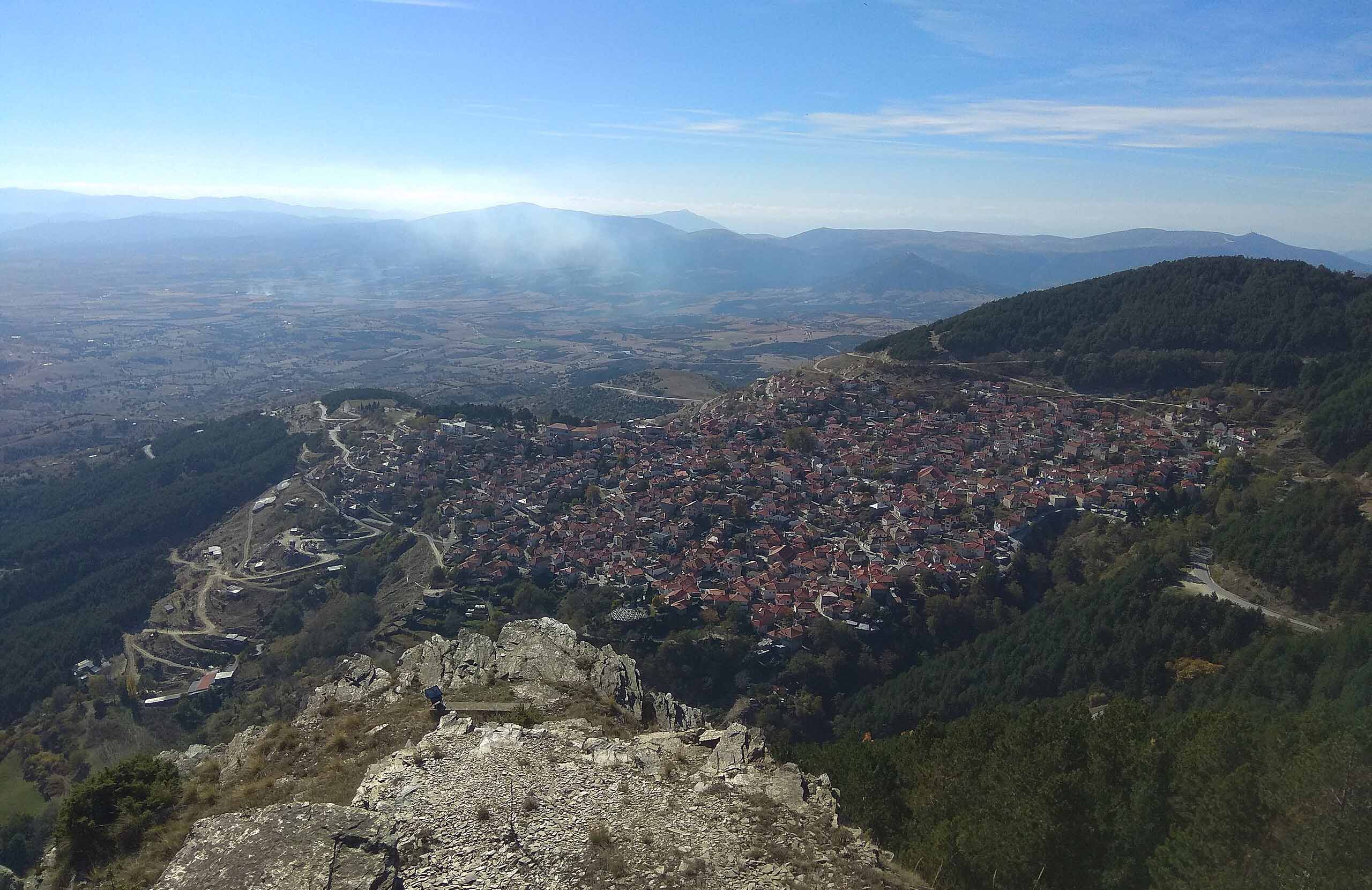
Livadi, high on Olympus at the western side, is a stone-built mountain village and a base for walking.
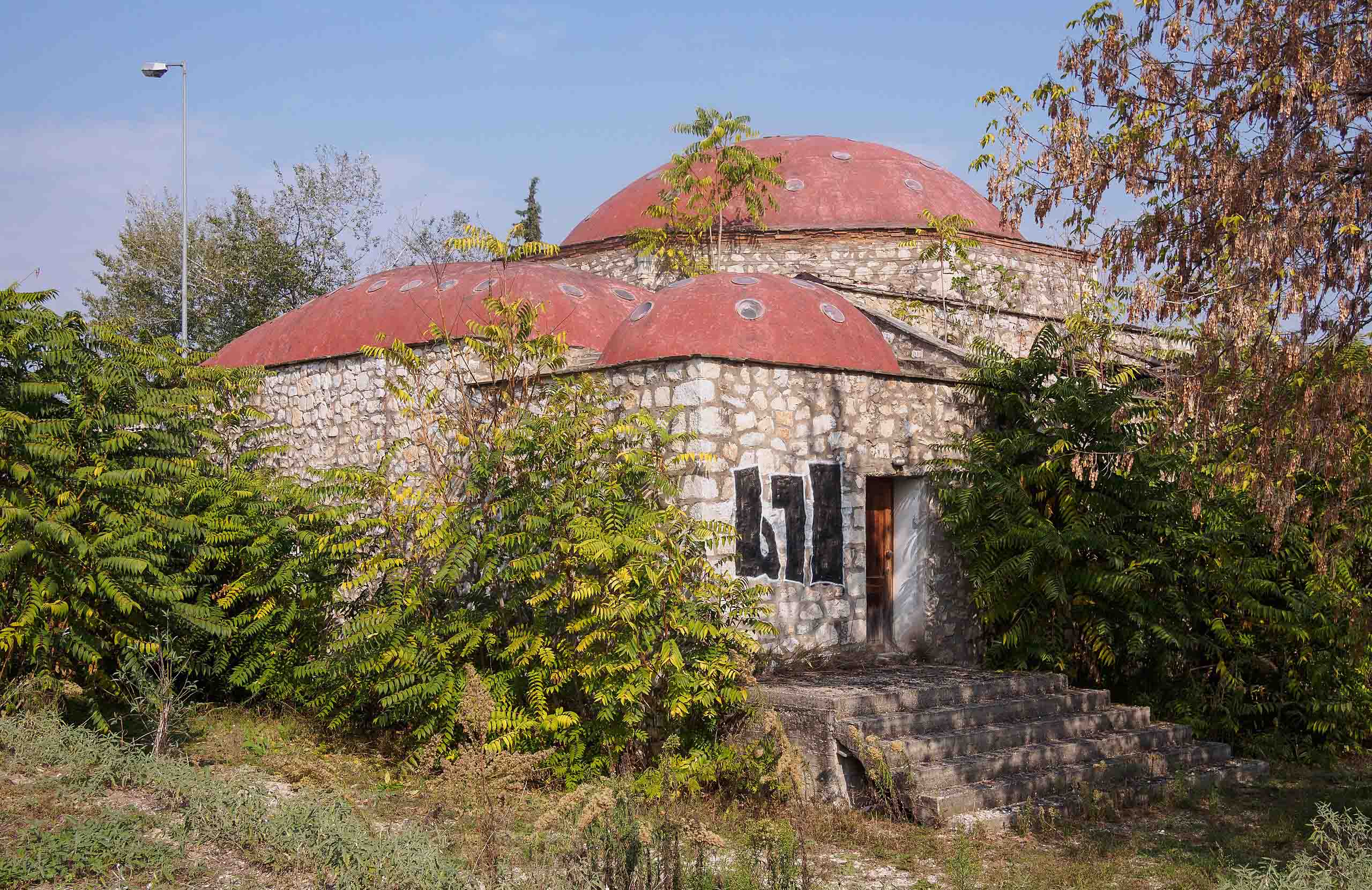
Tyrnavos, seventeen kilometres from Larissa, is the tsipouro town of Thessaly, with distilleries, an Ottoman hammam and a folklore museum.
Elassona, at the foot of Olympus, has the Byzantine Monastery of Olympiotissa above it.


Beaches
The coast of Larissa runs below Ossa and Mavrovouni, and it is used almost entirely by Greeks.
Agiokampos is sandy, shallow and organised, and it is the family choice. Stomio, at the mouth of the Pineios, mixes sand and small pebbles and has both organised and empty sections. Velika is pebble with very clear water.
Kokkino Nero — the name means red water — takes it from mineral springs that stain the rock, and it is the quietest of them. Skiti is more remote again.

Food & Drink
Rapsani is the region's wine, grown on the southern slopes of Olympus from three local grapes and aged well. There are wineries open to visitors and a wine museum in the village.
Tyrnavos makes tsipouro, and it makes a great deal of it. The distilleries there are the reason the drink is associated with Thessaly at all.
On the table, batzina is the local pie — a flat, crustless pie of courgette or greens with cheese — and the sausages are flavoured with orange peel. The plain produces the vegetables and the dairy.
Where to Stay
Prices shown per night for a sample 3-night stay. Rates and availability vary by season — select your dates for live pricing.
Practical information
Getting there
Larissa is on the main Athens–Thessaloniki axis, both by motorway and by rail, which makes it one of the easiest places in Greece to reach without a car. Athens is about three and a half hours away, Thessaloniki about an hour and a half. Trains run frequently.
Volos is an hour southeast, Meteora about an hour and a quarter west.
Getting around
The city centre is flat and walkable. Everything else needs a car: Tempe is 25 km north, Ambelakia 35, the coast about 50, and Livadi on Olympus around 70.
The mountain roads to Livadi and Elassona are slow, and winter conditions can close them.
When to go
Spring and autumn are the best seasons — the mountains are green, the valley is at its most attractive, and the plain is not yet at its summer heat. The Thessalian plain in July and August is among the hottest places in Greece.
Summer works for the coast. Winter brings snow to Olympus and to the villages above 1,000 metres.
Good to know
Check the current state of access at Tempe before going. The suspension bridge to Agia Paraskevi was destroyed in the floods of September 2023 and a replacement is under construction.
Thessaly was badly hit by that flooding, and some rural roads and riverside paths were damaged. Local information is worth having before setting off into the countryside.
The ancient theatre is open ground in the middle of the city and free to walk around; the museum has its own hours.
Exploring the Larissa Area— been there?Tell others what you saw.
A photo and two lines are enough.
