Exploring the Messenia Area
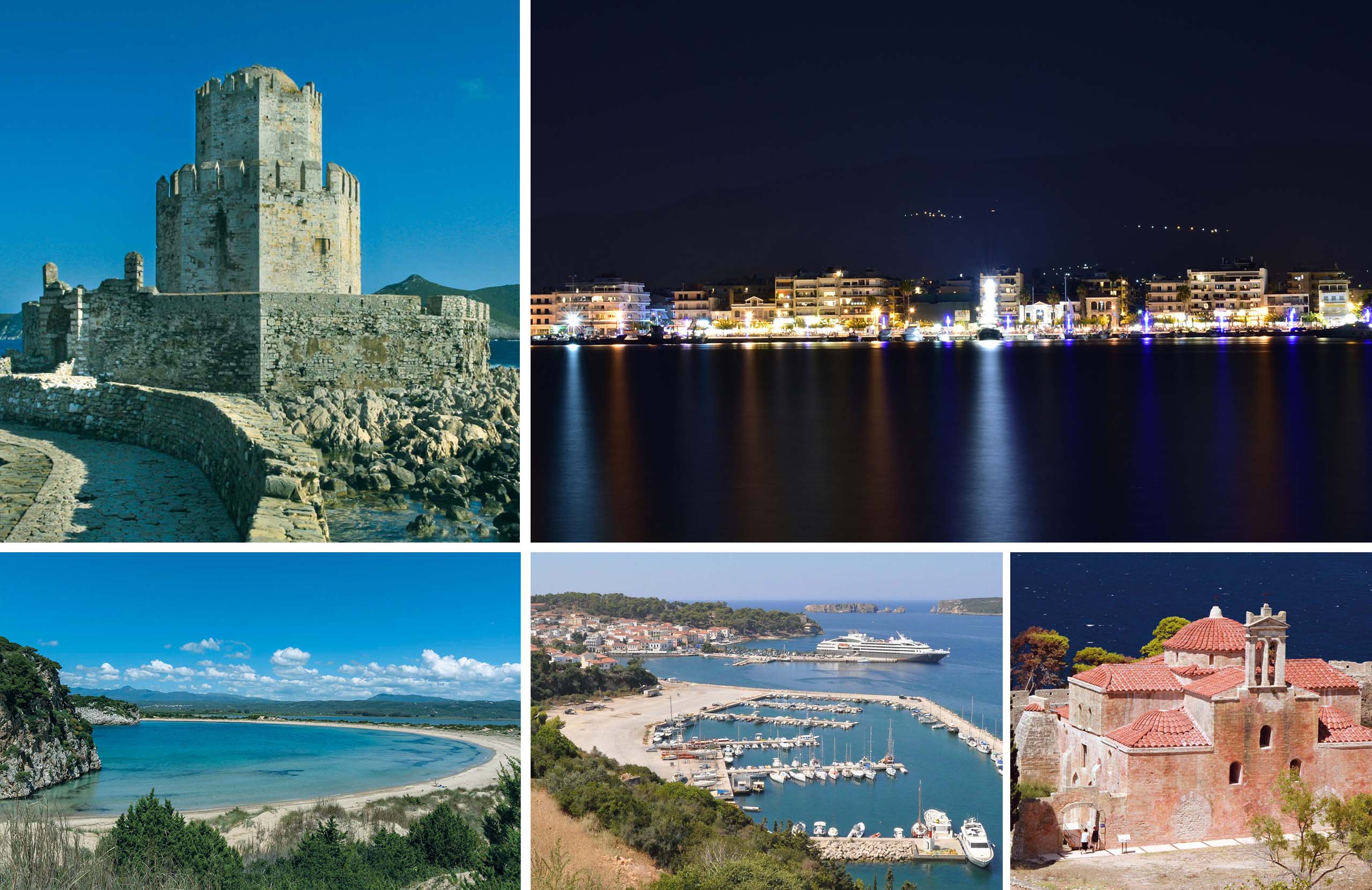
Messenia fills the southwestern corner of the Peloponnese: a wide fertile plain of olive groves, a coast of long sandy beaches facing the Ionian, and the western wall of the Taygetos closing it in on the east.
It holds two of the most complete archaeological sites in Greece — the Mycenaean Palace of Nestor and the walled city of Ancient Messene — and four castles built by Venetians, Ottomans and Franks to control the sea route around the Peloponnese.
It also holds the bay where the naval battle of 1827 effectively decided Greek independence, the southernmost wetland of international importance in the Balkans, and the largest golf destination in the country.
What travellers posted
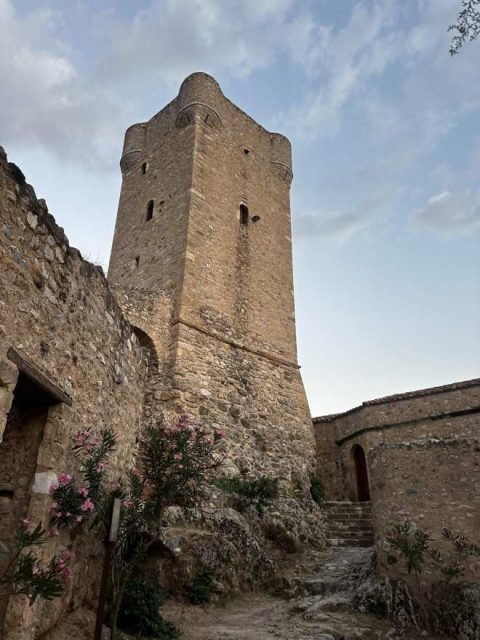

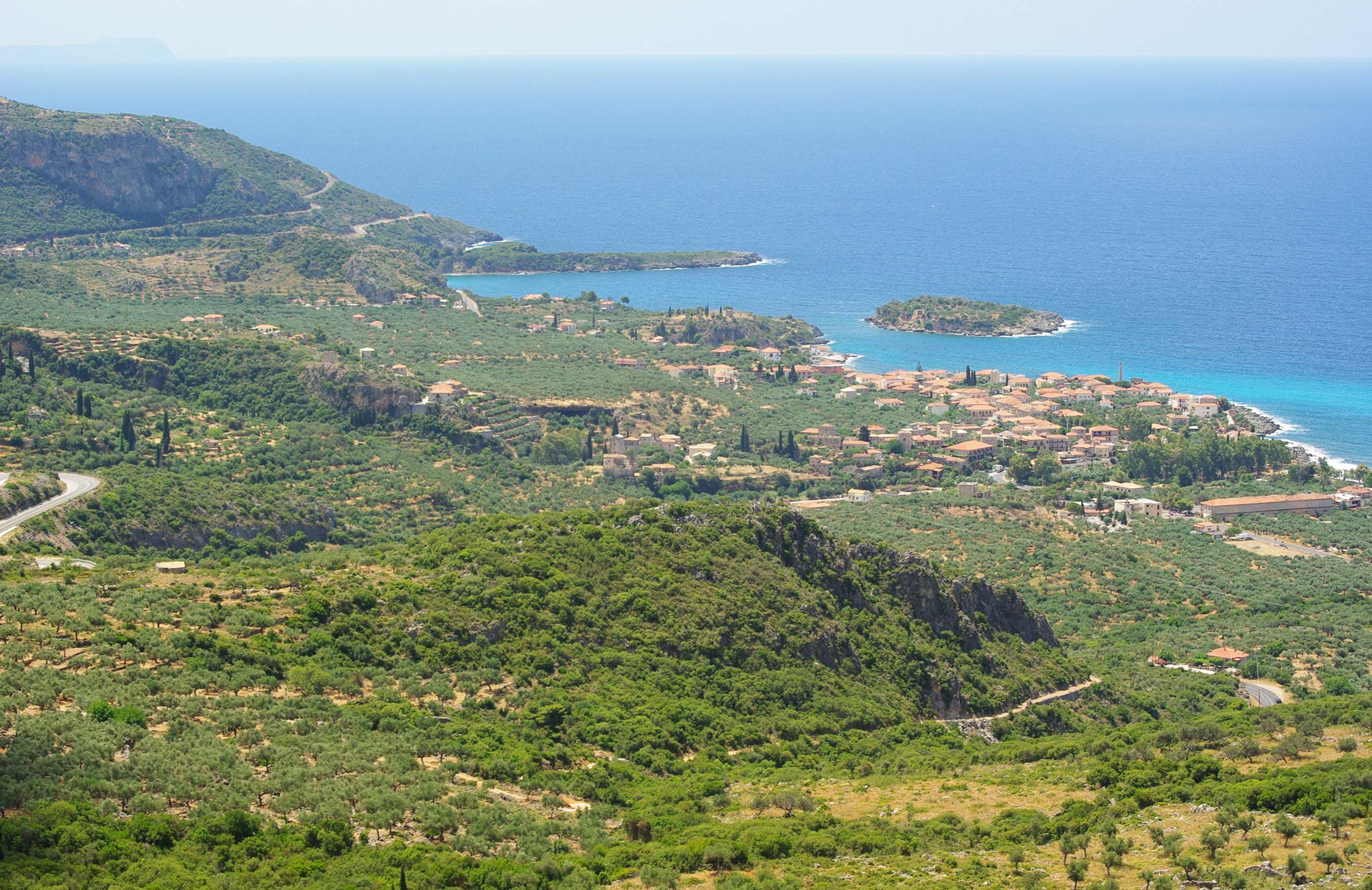

Been here? A photo and two lines are enough.
History & Culture
Two ancient cities
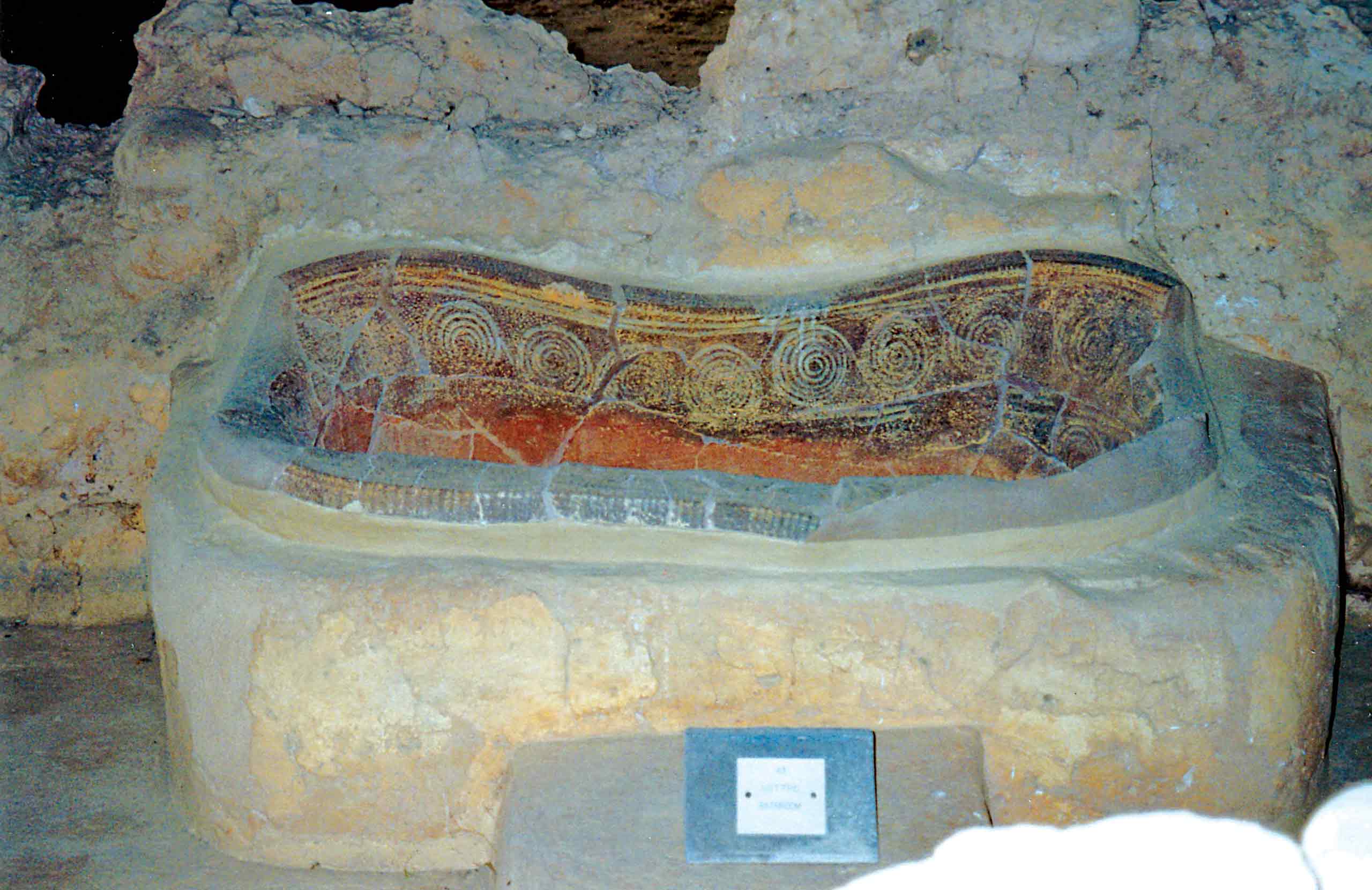
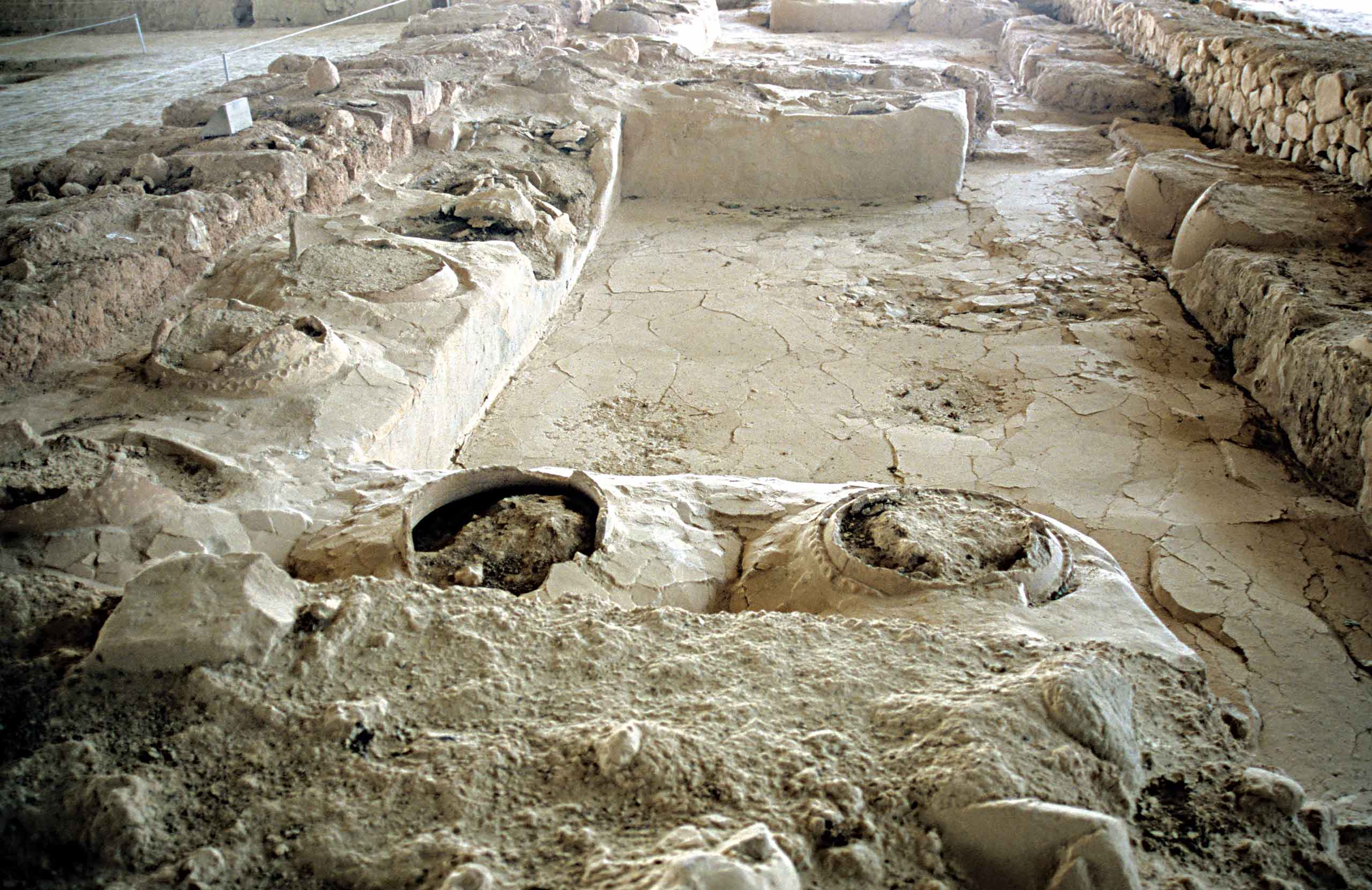
The Palace of Nestor, near Pylos, is the best-preserved Mycenaean palace in Greece. Its ground plan survives almost complete, along with a bath still in position, and the clay tablets found here were the largest archive of Linear B recovered anywhere.
Ancient Messene, inland below Mount Ithomi, is a different kind of site: a whole fourth-century BC city with its walls, gates, theatre, stadium and sanctuary, and much of it standing.
Four castles
Messenia's coast was on the sea route between Venice and the East, and the powers that used it fortified the corners.
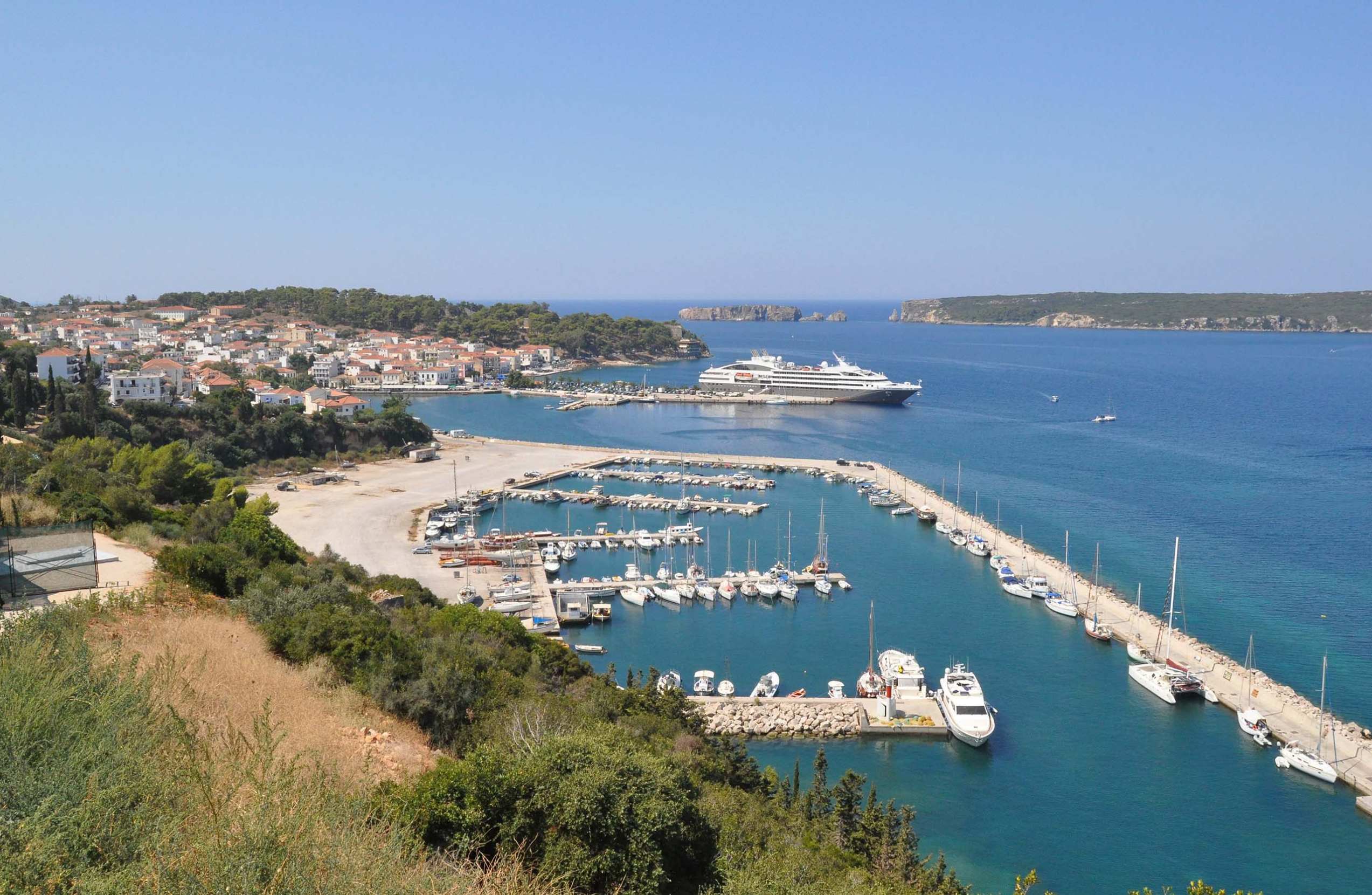
Methoni Castle, Venetian, occupies a low promontory and runs out into the water to the octagonal Bourtzi tower on its own islet. Koroni, on the other side of the peninsula, is the second of the pair the Venetians called the eyes of the Republic.
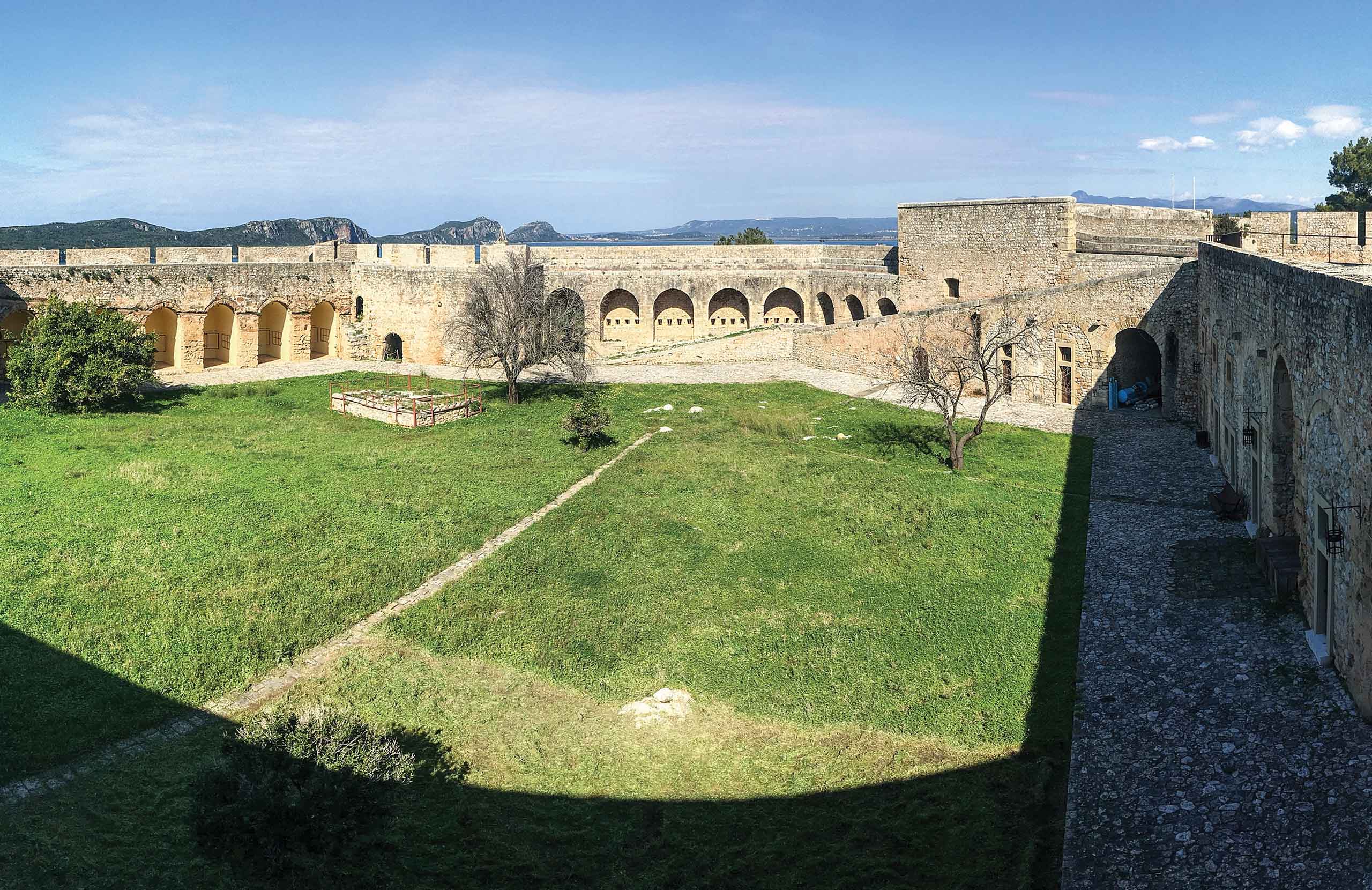
At Pylos, the Niokastro was built by the Ottomans in 1573 and later held by Venetians and French. On the headland above Voidokilia stands Paleokastro, Frankish, with the cave the ancients associated with Nestor below it.
Navarino
In October 1827 the combined fleets of Britain, France and Russia destroyed the Ottoman and Egyptian fleet inside Navarino Bay. It was the last major battle fought entirely under sail, and it made Greek independence effectively certain.
The Archaeological Museum of Messenia in Kalamata holds the finds from across the region.

Nature & Outdoors
Gialova Lagoon
At the northern end of Navarino Bay, the Gialova Lagoon is the southernmost wetland of international importance in the Balkans and one of the southernmost large wetlands in Europe.
It covers about seven hundred hectares and has been protected since 1997, as a Natura 2000 Special Protection Area and a wildlife refuge. Between 254 and 270 bird species have been recorded here — out of 442 known in the whole of Greece — and it is the last stop for thousands of birds before they cross the Mediterranean to Africa.
It is also the only place in Europe where the African chameleon lives.
Together with Voidokilia, Navarino Bay and the island of Sfaktiria, it forms a single protected complex. There are marked paths and an observation point.
Water and mountains
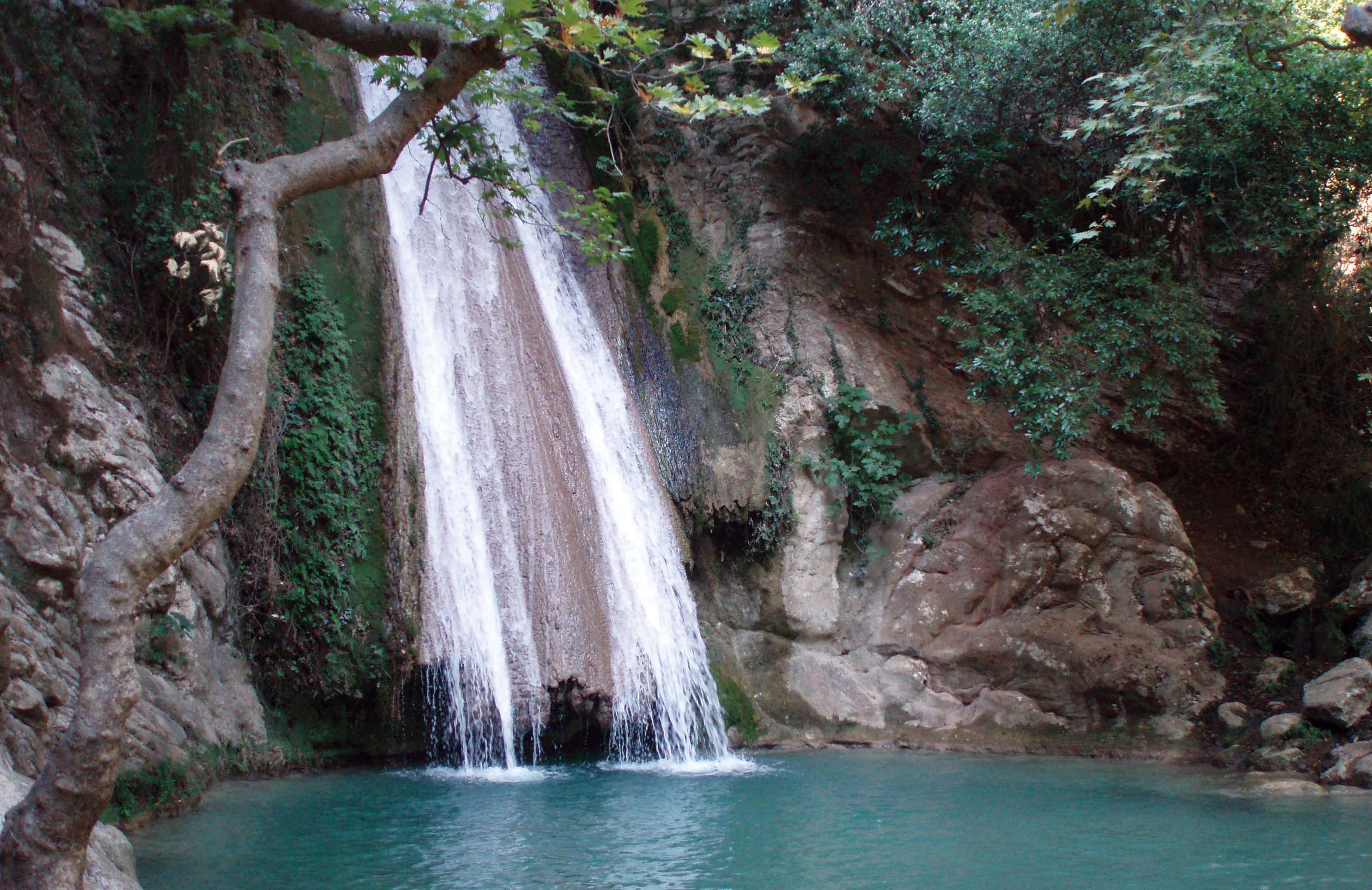
Polylimnio, inland from Pylos, is a series of small waterfalls and green pools linked by a walking path through a shaded ravine.
The Neda, on the northern boundary, runs through a gorge with waterfalls and is used for canyoning.
The Taygetos rises along the eastern edge, and the paths above Kardamyli climb into it.

Villages & Inland
Kalamata, the capital, has its own page.
Methoni and Koroni are small towns built around their castles, both with beaches. Finikounda, between them, is a fishing village that became a quiet resort.
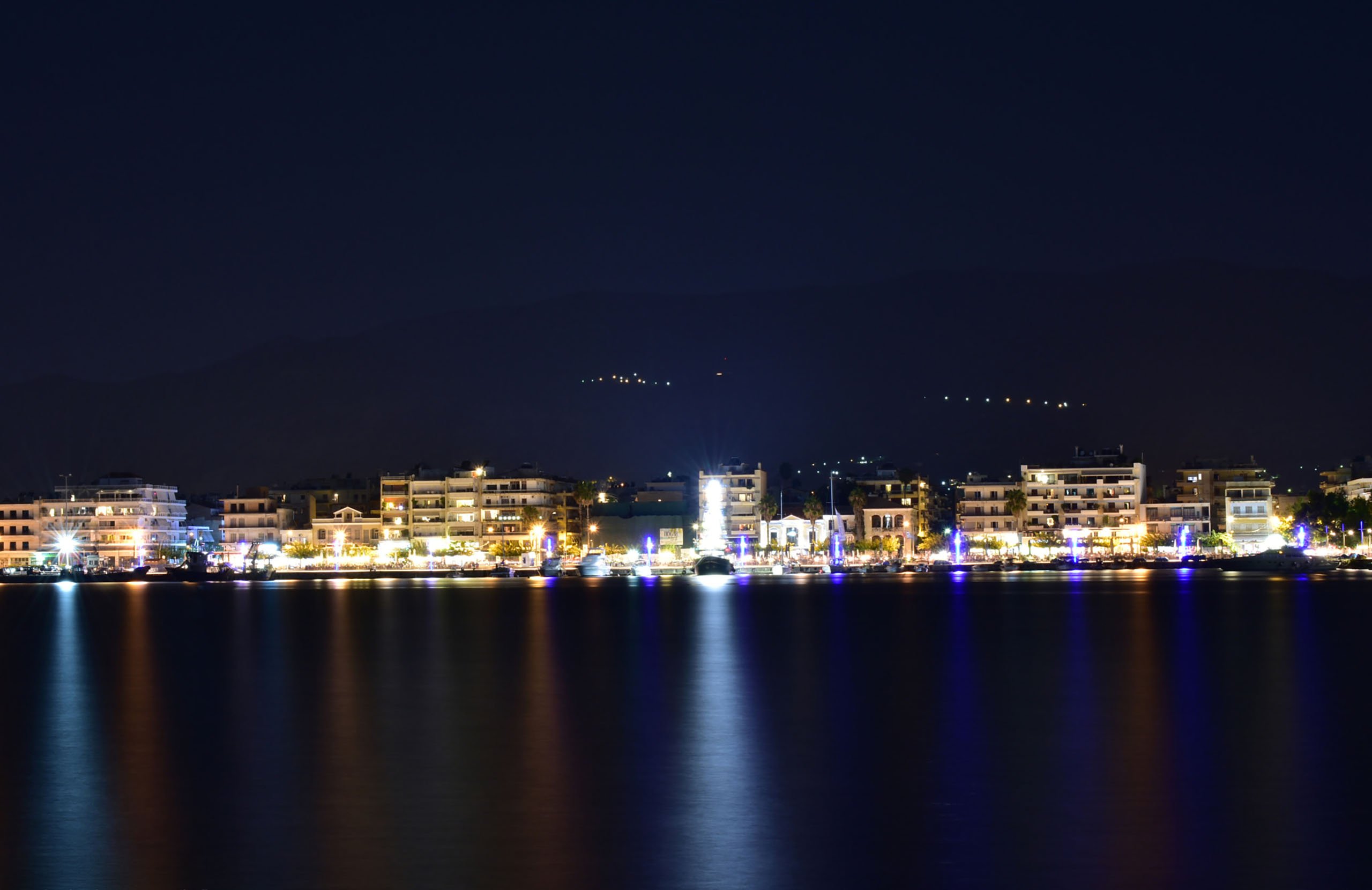
Pylos is a neoclassical town around an arcaded square, looking out over the bay.
The northern part of the region — the Messinian Mani around Kardamyli and Stoupa — belongs geographically and culturally to the Mani, and is covered there.
Inland, Ancient Messene has a village beside it, and the villages of the plain live from olives.

Beaches
The Ionian coast of Messenia is sand almost the whole way, and it faces west, which means sunsets.
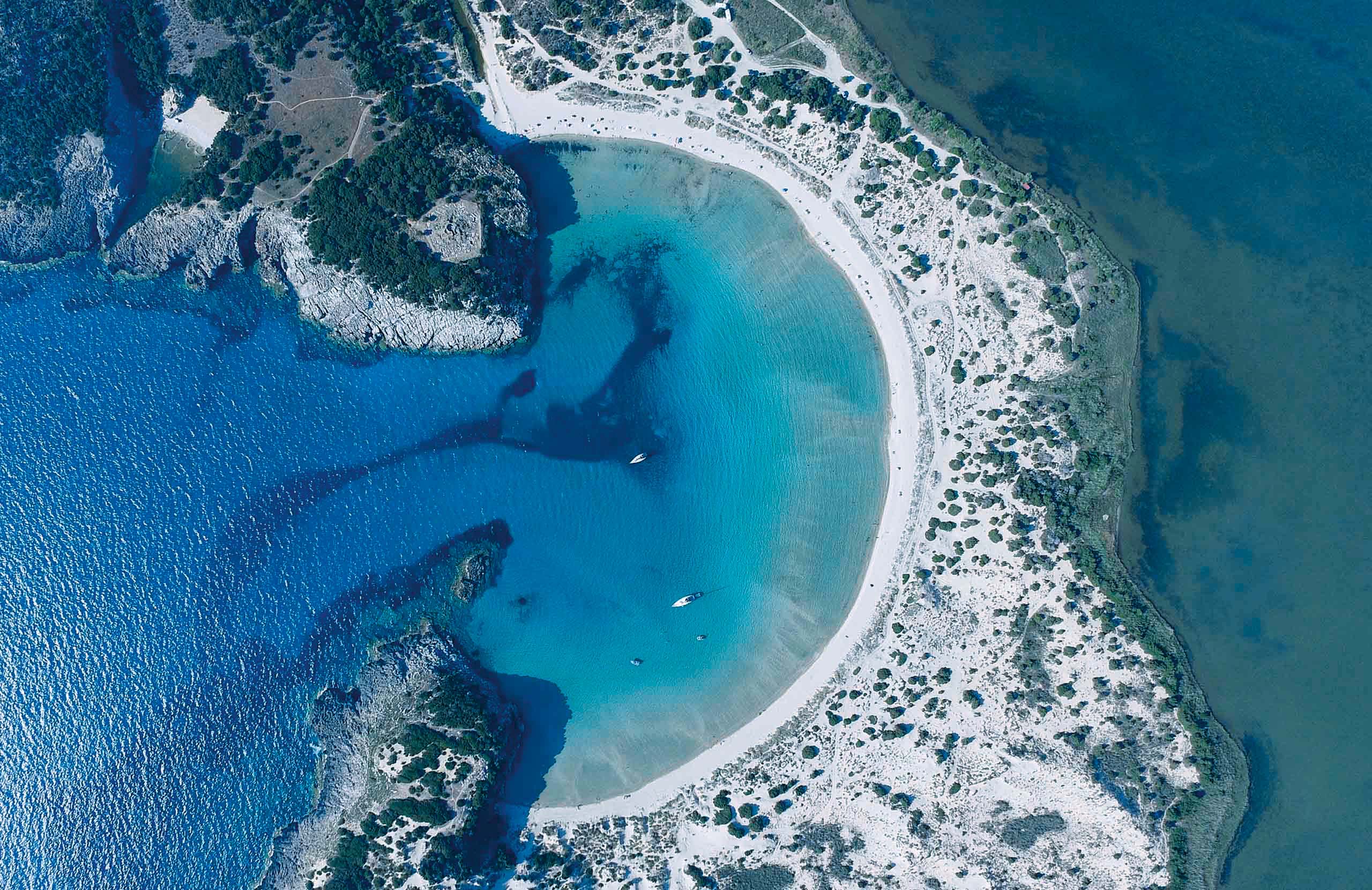
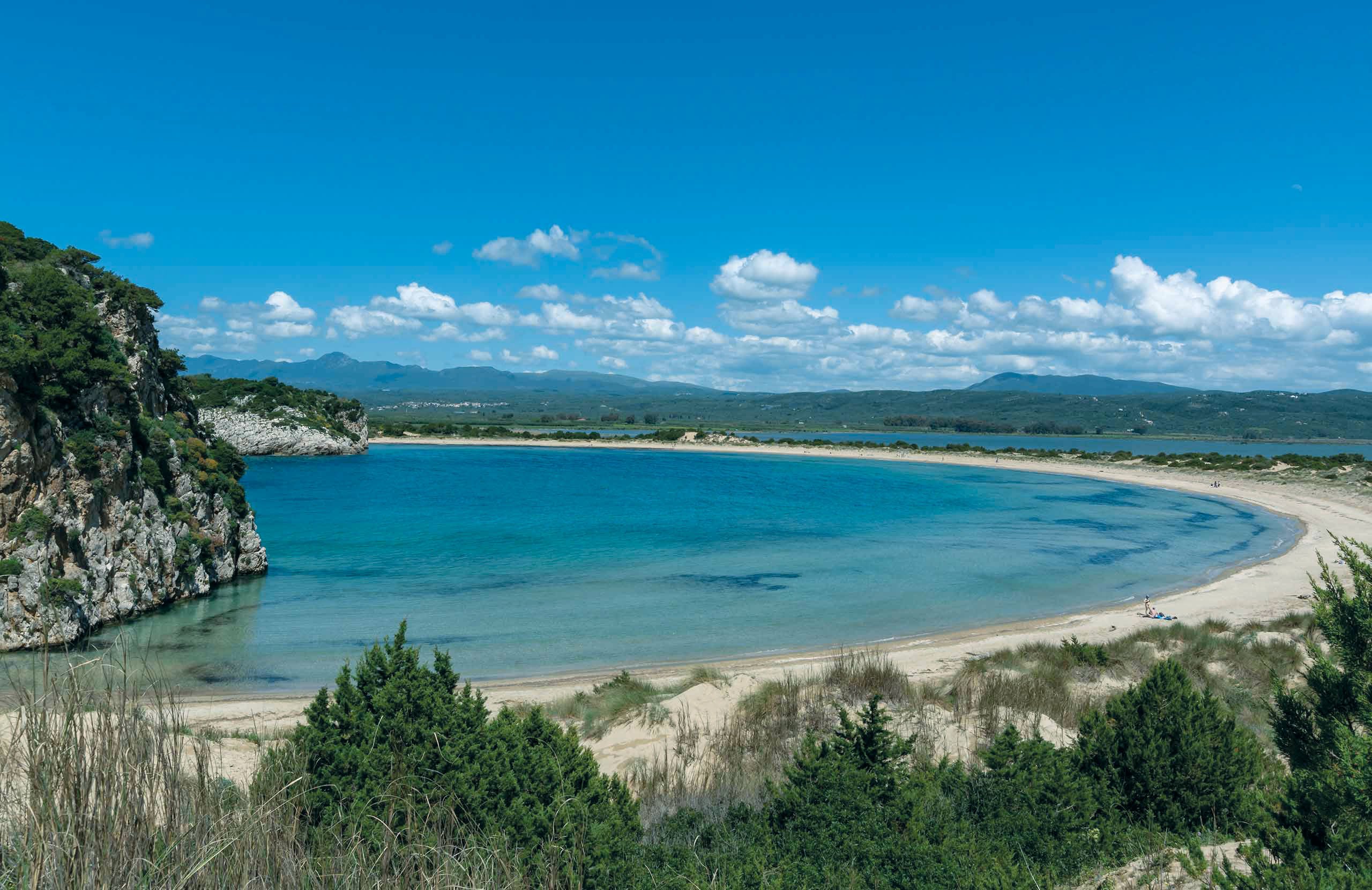
Voidokilia is the one everybody knows: a near-perfect semicircle of white sand enclosing shallow water, with the lagoon behind it and a Frankish castle above. There are no facilities of any kind, deliberately.
Romanos and Golden Beach, north of it, are long and sandy and serve the resorts. Finikounda is a wide organised bay. Methoni has fine sand beside the castle walls.
Chrani and the beaches of the Messinian Gulf on the eastern side are quieter, and Kalamata's own beach is long and pebbled with the town behind it.
Activities
Golf
Messenia is the golf destination of Greece, and by some distance. Four eighteen-hole championship courses lie within thirteen kilometres of each other near Pylos, each by a different designer — Bernhard Langer, Robert Trent Jones Jr, and two by José María Olazábal.
The first of them, opened in 2010, was the first signature course built in Greece. In 2025 the venue was named World's Best Golf Venue at the World Golf Awards, and it hosts an international pro-am each year.
On land and water
Birdwatching at Gialova is the best in the Peloponnese. Canyoning runs on the Neda, and kayaking along the coast and into the sea caves. Horse riding and mountain biking are both organised out of the Pylos area.

Food & Drink
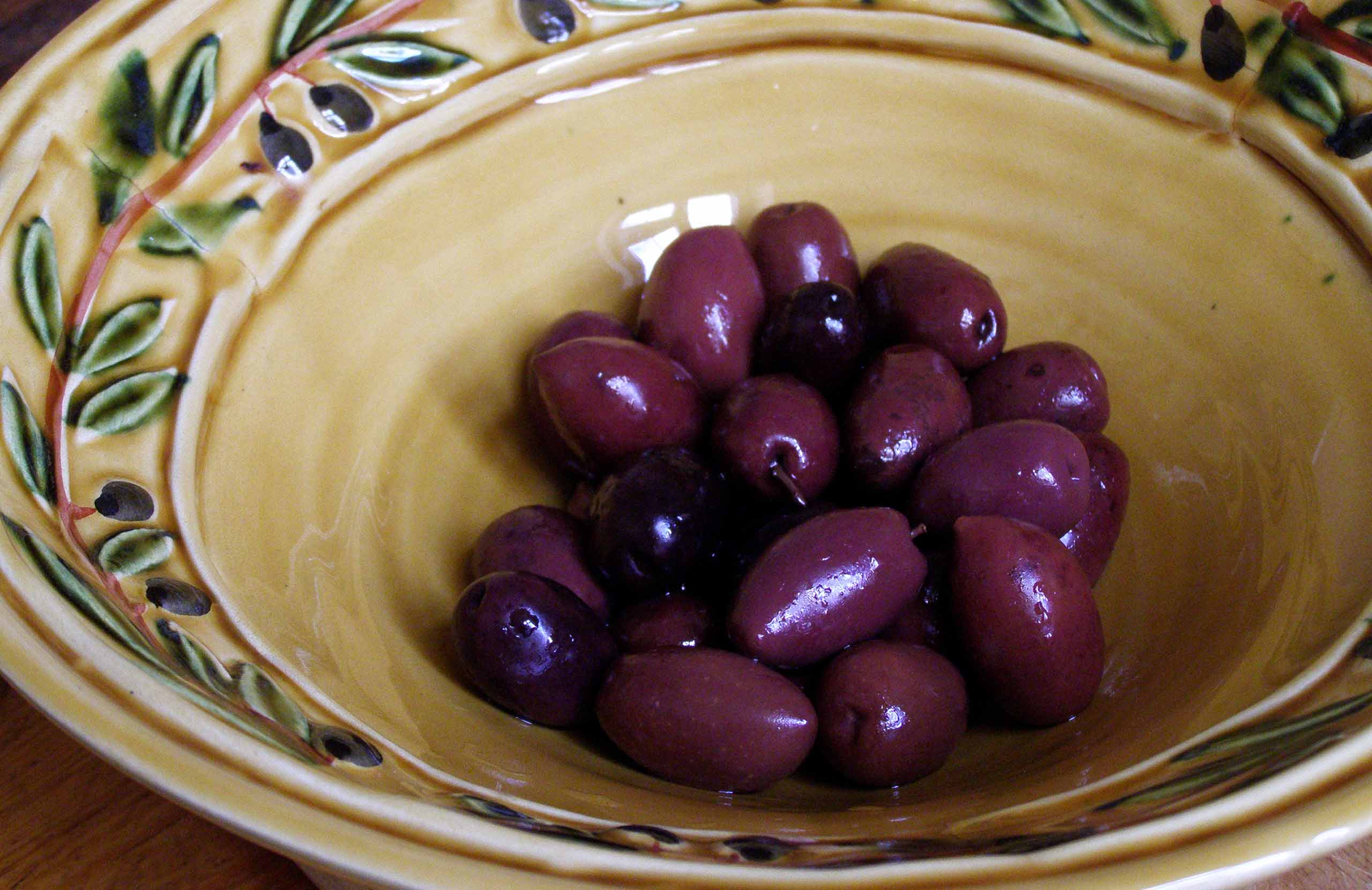
Kalamata olives and Messenian olive oil are the region's products and are exported worldwide. The plain is one continuous olive grove, and the oil is the base of everything cooked here.
Sfela is the local cheese — hard, sharp, kept in brine — and syglino, smoked and preserved pork, comes from the same tradition as in the Mani. Sardines and octopus are the coastal food, and diples, thin fried pastry in honey, are the sweet made for celebrations.
Messenia also has serious cooking. Two restaurants in the region hold Golden Caps in the 2026 national gastronomy awards, one at Gialova and one at Pylos.
Where to Stay
Prices shown per night for a sample 3-night stay. Rates and availability vary by season — select your dates for live pricing.
Practical information
Getting there
Kalamata International Airport is the way in, with flights from Athens and direct European connections in season. Athens is about three hours by motorway, and the drive is straightforward.
Kalamata has a KTEL station with buses to Athens, Patras and the region.
Getting around
A car is necessary. Kalamata to Pylos is about an hour, to Methoni an hour and a quarter, and to Ancient Messene half an hour inland.
The coast road south from Kalamata towards Kardamyli is slow and beautiful. The roads around the archaeological sites are good.
When to go
April to June and September to October are the best months. Spring in Messenia is exceptional — the plain is green and the wild flowers are out — and the birds at Gialova are most numerous in spring and autumn.
Summer is hot inland and busy on the coast. The golf courses and the resorts run through the year.
Good to know
Voidokilia has no facilities at all — no shade, no water, no toilets, no beach bar — and that is protected policy, not an oversight. Bring everything, and stay off the dunes behind the beach, which are fragile and fenced.
Ancient Messene is very large and mostly unshaded. Allow two to three hours and go early.
Bring binoculars for Gialova; there is nowhere local to hire them.
Exploring the Messenia Area— been there?Tell others what you saw.
A photo and two lines are enough.
